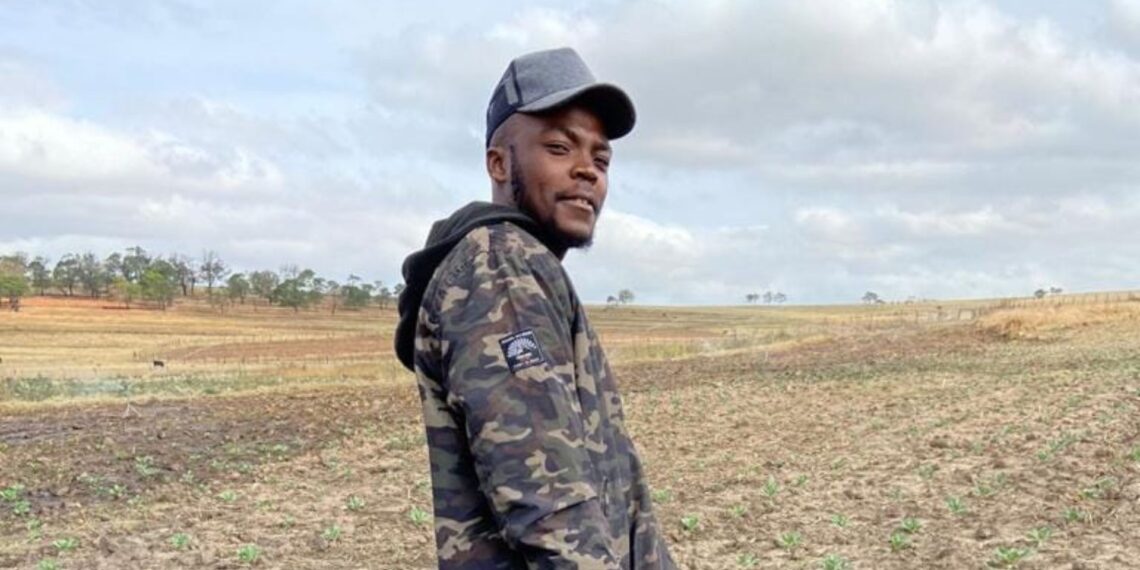
After years of studying mechatronics engineering and diesel mechanics, David Luzipo was eager to land his dream job. Months passed with no offers and his frustration grew. Rather than pursuing his ambitions, he decided to fulfil his father’s dream of becoming a farmer.
Luzipo’s father, Ayanda, always dreamed of owning cows, sheep, and goats. However, as the sole provider for the family, his father felt that he never had the time to chase his farming ambitions, despite holding onto that hope for years.
“I made up my mind and made a decision. You know what? Okay, let me start this thing and see how it goes,” Luzipo says.
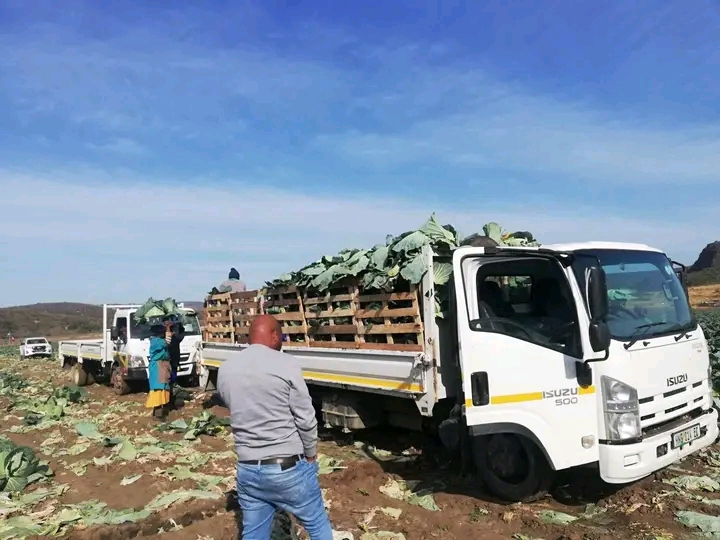
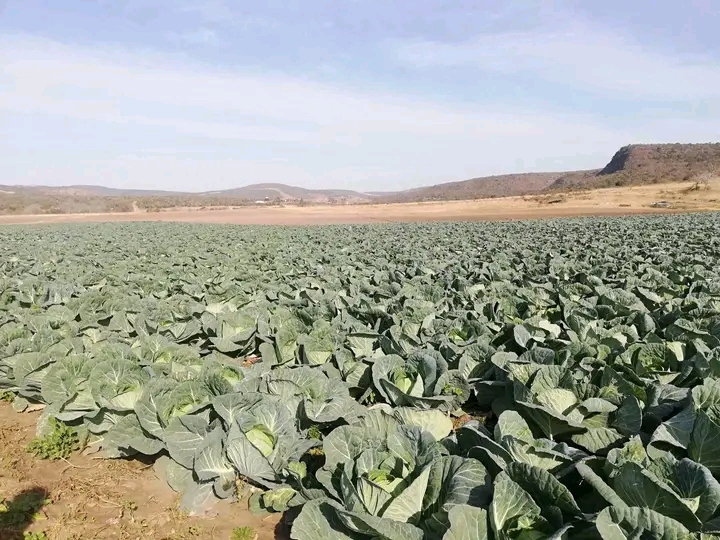
Today, years later, he farms on about 200 hectares of land in the rural areas of Nqamakwe, Eastern Cape. He produces cabbages, spinach, and broccoli on his farm.
“Cabbage takes three months to grow, spinach five weeks, and broccoli two to three months depending on the season,” he explains.
Early mornings and hard work
Luzipo’s farming journey began in 2015 when he worked as a production manager for his friend, Greg Williams, in the Eastern Cape. “I worked for free for close to a year,” he says.
He immersed himself in farming and his schedule was intense. “At 2 a.m. in the morning, I’m out of the house, driving the truck to the farm,” Luzipo recalls.
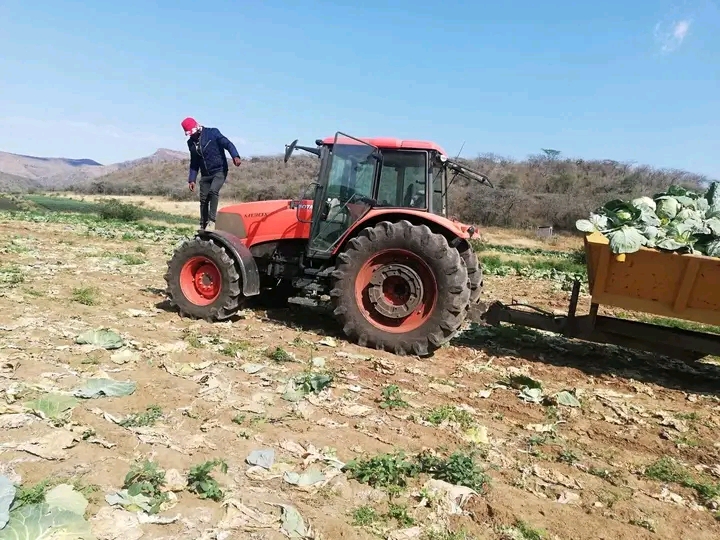
During that year, he learned everything from planting and fertilising to spraying chemicals and harvesting. In 2016, he started his own project in Mthatha on 120 hectares of land.
By 2021, he formalised his venture, establishing the Ayakanda Agricultural Cooperative, named after his grandfather and father.
“The only way to get assistance is to be registered,” he notes, highlighting the importance of formalisation for growth and support.
Related stories
- Growing with God drives Happy to great heights
- Flower power: Farming couple turns fynbos into global business
Building a diverse clientele
It is not easy to meet the demanding quality standards of big retailers, but Luzipo’s marketing tactics have helped him secure a diverse clientele. He supplies major retailers like Spar, Boxer, Pick n Pay, and Shoprite.
Luzipo emphasises the importance of communication and self-marketing. “I’m a guy who smiles a lot,” he says. Initially a quiet person, farming pushed him to step out of his shell.
He made himself the face and brand of the cooperative, visiting stores and building relationships with managers to showcase his produce.
“I managed to build up my clientele even with social media platforms. That is where I managed to build my clientele and I decided to make myself the brand and the face of the cooperative. Fortunately, by God’s grace, people entrusted me, a lot of adults, a lot of big people, a lot of big personalities have entrusted me.”
His efforts paid off, with people recommending him and helping him grow his business.
Taking chances drives success
One of the biggest challenges Luzipo faced was a lack of financial resources. To fund his farm, he made the difficult decision to use 85% of his father’s salary.
“I even tampered with my father’s retirement money,” he admits. Despite the risks, Luzipo’s determination pushed him to invest in the cooperative and overcome his financial struggles.
“Back then, I didn’t know anything about funding or the departments that help black-owned businesses,” he says, reflecting on how far he has come.
Luzipo’s ambitions do not stop with his current success. He plans to expand his operations, aiming to become one of the youngest and most productive farmers in the Eastern Cape.
“I want to own close to 10 farms, producing for the Eastern Cape and even outside South Africa,” he shares.
Luzipo believes the region has immense potential with its vast land, but it lacks people actively working the land.
He is passionate about inspiring others, especially young people facing similar struggles.
His advice is simple but powerful: “Do something that you hate, but do it like you love it.” He believes this mindset helps develop passion over time.
In a world where many young people are jobless despite academic success, Luzipo encourages them to push beyond their comfort zones.
“We need people who are coming up with solutions to the problems we are facing in South Africa.”
READ NEXT: Shy farmworker ready to sing her heart out at talent show
Get Stories of Change: Inspirational stories from the people that feed Mzansi.