Bayer Crop Science marked a significant milestone this week at Nampo Harvest Day in Bothaville, Free State, celebrating 20 years of DEKALB maize hybrid seed technology in South Africa.
Launched commercially in South Africa in 2005, the DEKALB brand has become synonymous with innovation, transforming the landscape of maize farming in the country.
Over the past two decades, DEKALB has made a substantial impact on both commercial and smallholder farmers by offering advanced seed genetics, cutting-edge technologies, and a legacy of continuous development in hybrid seed technology.
In 2018, Bayer acquired Monsanto and its brands, including DEKALB, further expanding its investment in research and development to better serve South African farmers. As a result, DEKALB maize hybrids are available in both conventional and genetically modified varieties, providing farmers with options suited to their specific needs, whether in the eastern, western, or irrigation production areas.
Innovation and sustainability
Speaking at the 20th anniversary celebration, Johan Bibbey, Bayer Crop Science country lead for seed in South Africa, highlighted the company’s commitment to sustainable and profitable farming practices.
Related stories
- Bayer takes multi-pronged approach to food security
- New maize seed factory strengthens Zambia’s food security
“We constantly aim to deliver seed products to enable farmers to produce food and feed more sustainably and profitably,” Bibbey said. “Innovation through generations is not only our campaign theme for 2025 but a commitment to our farmers to bring solutions for the next generation.”
Bibbey added that the launch of DEKALB 20 years ago and the improved farming practices that followed have played a crucial role in driving South Africa’s maize yields to new heights.
“The commercial launch of DEKALB two decades ago and improved farming practices propelled average yields in South Africa to new heights, and we are proud to be part of that success,” he said.
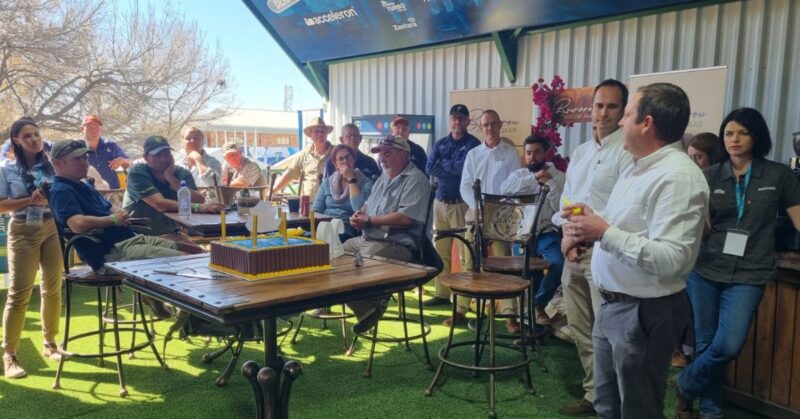
Bayer remains dedicated to staying at the forefront of hybrid seed technology, developing varieties adapted to the environmental and economic challenges farmers face today.
A recent example of this is the Trecepta trait, which offers three modes of action to protect against key pests, including the spotted stemborer and fall armyworm. The product, which is available in selected DEKALB hybrids, continues to demonstrate Bayer’s commitment to providing farmers with innovative tools to improve productivity and safeguard their crops.
Celebrating a legacy of excellence
Maize remains a staple crop in South Africa, contributing significantly to the local diet and food security. It is consumed by millions of South Africans in the form of pap, a maize meal porridge that is enjoyed across cultural and economic lines.
Additionally, maize is an important feed crop for livestock farmers, providing vital resources for meat, milk, and egg production.
South Africa’s maize industry has grown steadily over the years, with annual production ranging from 15 to 17 million tons, cultivated across 2.5 to 3 million hectares. This growth reflects the impact of hybrid seed technology and improved farming practices, which have helped farmers increase yields, reduce input costs, and improve overall efficiency.
READ NEXT: Land Bank: Blended finance gives SA farmers a fighting chance
Sign up for Mzansi Today: Your daily take on the news and happenings from the agriculture value chain.