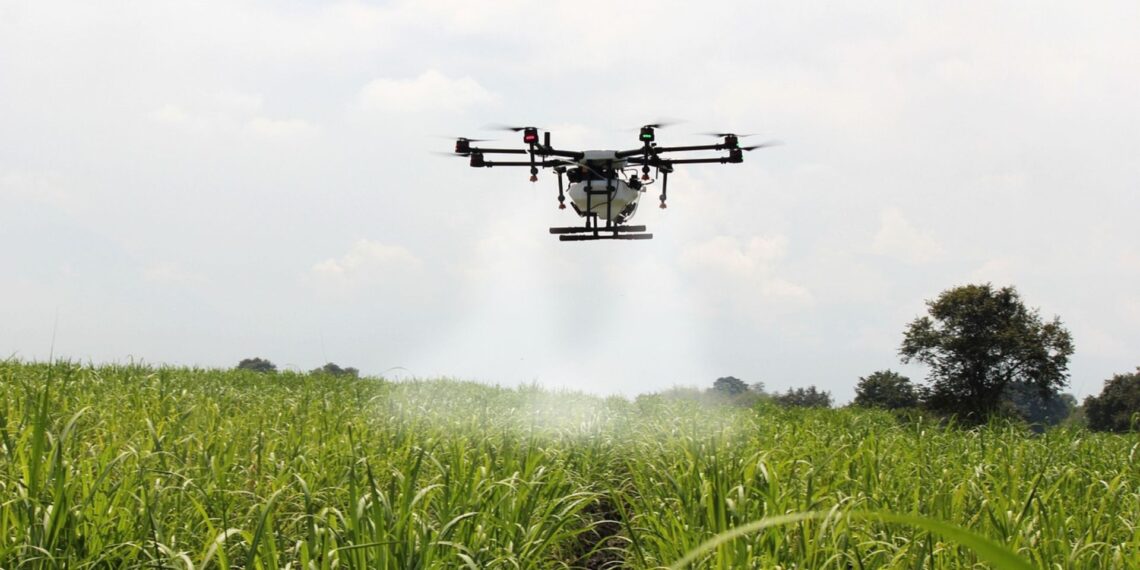
A sugarcane smallholder in KwaZulu-Natal is flying high with precision drone spraying. GreenCape’s case study reveals how an 80-hectare cooperative achieved cost reductions of up to 25% and recorded yield and quality improvements under specific field conditions.
With rising input costs, unpredictable weather, and shrinking margins, KwaZulu-Natal sugarcane smallholders are under pressure to innovate.
A case study, developed by GreenCape in partnership with the Anglo American Foundation, reveals that precision drone spraying offers a timely solution, helping growers cut expenses, boost yields, and improve crop quality to stay resilient and competitive in South Africa’s evolving agricultural landscape.
Rising input costs, unpredictable rainfall, and soil compaction squeeze South Africa’s sugar industry margins, even as agrochemical prices hover above historical averages despite a slight 2024 dip.
Lower commodity prices compound the pressure, forcing producers to chase higher yields, better crop quality, or leaner resource use for survival. Precision drone spraying is gaining ground in KwaZulu-Natal, delivering uniform chemical application in tough conditions like dense cane or post-rain delays.
KZN cooperative reaps rewards
According to the study, an 80-hectare smallholder sugarcane cooperative in northern KwaZulu-Natal ditched tractor sprayers for drone services via licensed contractors on a pay-per-hectare basis.
Previously plagued by rain delays on wet soils, uneven coverage in dense cane, high fuel and labour costs, plus soil compaction in ratoon fields, the group unlocked game-changing results drawn from SA Canegrowers 2024/25 benchmarks.
To understand the change, it’s helpful to see the baseline costs for the conventional method:

What does drone spraying actually deliver for these growers?
- Total spraying costs dropped by 25% versus tractors, mainly from slashed labour and application fees.
- Chemical use fell 20–30% for leaner operations with less waste.
- Rain no longer grounded operations; drones enabled instant post-rain deployment for timely ripening and pest control.

Boosting yields and quality
The cooperative unlocked major yield and quality gains from drone spraying. Yields rose 6–12.5 tonnes per hectare, while sugar content (estimated recoverable crystal, ERC) climbed 2 percentage points.
These translated to net financial gains of R8 400 per hectare yearly – R672 000 total across 80 hectares.

Investing in resilience
Ripening was shortened by 10–14 days for earlier harvest and replanting, while mill-reported ERC gains boosted pricing per tonne. No tractor ruts meant healthier ratoon fields and zero compaction damage.
Related stories
- Precision spraying: Drones lift farming to new heights
- Data-driven citrus farming keeps SA ahead of the curve
- Drone technology a game-changer in precision farming
Payback periods are attractive for commercial operators: purchasing a drone (R250 000–R400 000) can be recovered within 1–1.5 seasons when annualised benefits reach R8 000–R9 000 per hectare. For smallholders, contractor or shared co-operative service models remain more practical, as they eliminate the need for licensing, maintenance, and upfront capital
This case proves drones build real resilience against industry squeezes, with potential beyond sugarcane across South African crops.
GreenCape’s sustainable agriculture desk offers market intelligence, advocacy and networking opportunities to investors, businesses and farmers in the agriculture sector.
Visit greencape.co.za/sector/sustainable-agriculture/ or contact agri@green-cape.co.za for your precision path forward. You can also download the full case study here: https://greencape.co.za/wp-content/uploads/2025/12/KZN-Agtech-Case-Study-Final.pdf.
READ NEXT: SoilSistas celebrate graduation of empowered women farmers