Despite the challenges and wins of 2025, farmers have put it behind them and are preparing for the year ahead. Knowing that the agricultural sector has its own ups and downs, food producers are ready to hit the ground running.
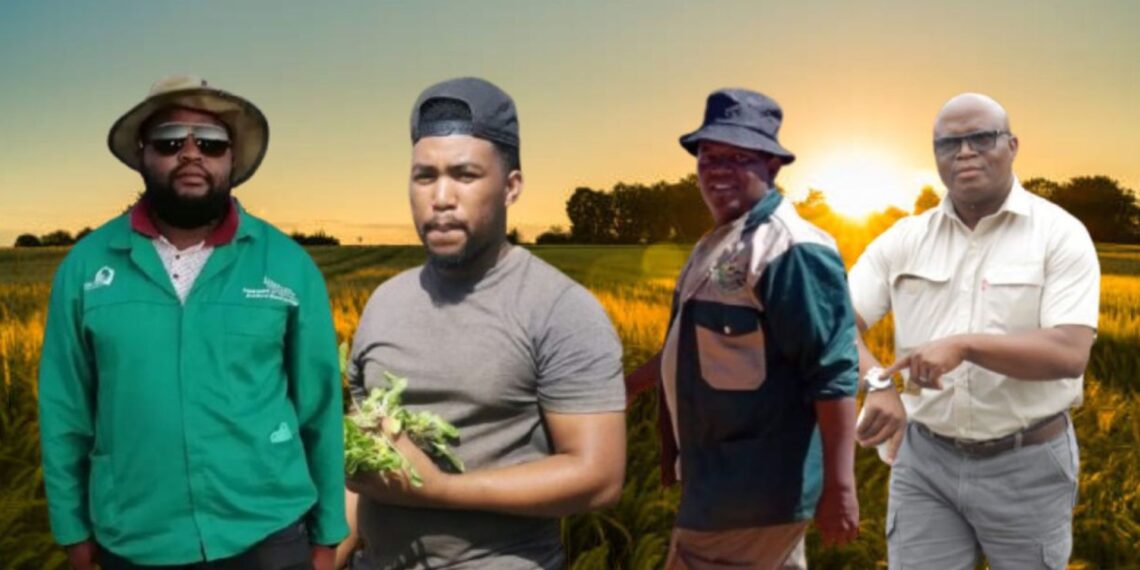
Limpopo crop farmer Leshalagae Mojapelo said he is hoping for a good year with standard and proper seasonal norms.
“This climate change has shifted season norms, and it affects farmers’ planning negatively. We are hoping for more exposure and proper funding to deserving individuals, more skills development programmes to enhance the youth and farmers to deal with food insecurity and unemployment.
“Personally, more funds should be injected to hire more extension officers/advisors and continue with the programme of assistant agricultural practitioners because it proved to have a positive impact on both emerging and operational farmers, especially on their yields and improved incomes,” Mojapelo said.
Andile Mkhize, a crop farmer in KwaZulu-Natal, said that as Agricvalue, the entity he is leading, they are hoping that 2026 becomes a year where deeper transformation finally reaches the farmers who have been overlooked for decades, the small-scale and emerging farmers.
Hopes for transformation
“Our aspiration is for 2026 to be the year where these farmers are not only included, but prioritised. Where digital tools are no longer reserved for commercial farms, but are placed in the hands of ordinary growers in Qumbu, Tsolo, Melmoth, Msinga, Nquthu, and every rural community we serve. Transformation, for us, means ensuring that a farmer with one hectare receives the same level of insight, respect, and support as a farmer with 100 hectares.
“Our mission for 2026 is clear: to empower emerging farmers with the knowledge, digital tools, and confidence they need to scale their production, improve their yields, reduce risks, and become competitive contributors to South Africa’s food system. Agricvalue exists for this purpose to make sure transformation is practical, inclusive, and felt on the ground where it matters most,” Mkhize said.
Related stories
- Farmers welcome rains amid weather warnings
- ‘We need feed’: NC farmers plead amid prolonged drought
- ‘We’re just surviving’: Water woes & land limits cripple NC farmers
- Ethical partnerships drive change in South Africa’s wine industry
Erena van Staden from Poffader in the Northern Cape said as farmers in the area, which has been hit by consistent droughts, they are hopeful that the rains that favoured them this year would come again.
“Look, it does not receive much rain, which is a serious concern because no person can farm without water. Our animals are dying, and we do not have access to feed. For some farmers, they are just waiting for all their animals to die, and they close their operations. So all we are hopeful for is rain in the coming year,” she said.
A message for the department
Kgomotso Itumeleng, a poultry farmer in Kuruman in the Northern Cape, said as a young farmer, he hopes that the department of agriculture could revert to previous applications of smallholder farmers and engage in resolving matters.
“The department of agriculture needs to partner with relevant organisations and departments to be able to render services to the farmers and beneficiaries (communities). Farmers are suffering in silo and not asking for help; this should not happen next year. The economic development department should have more engagement with the farmers, especially beneficiaries of farms and others.
“We’re facing a challenge of climate change. I urge our community to plant more trees and take care of our environment. The Northern Cape department of agriculture should invest more in agro-processing in the coming year,” he said.
Free State grain and maize farmer Phaladi Matsole said in the wake of recent and current rains in the last quarter of 2025, they can foresee a good harvest.
“However, we need some fairly sunny days in between for wheat harvest, weed control and top dressing. In general, we started the season relatively well, as a result 2026 harvest will bring good yields,” he said.
READ NEXT: Brazil and South Africa join forces for safer meat trade