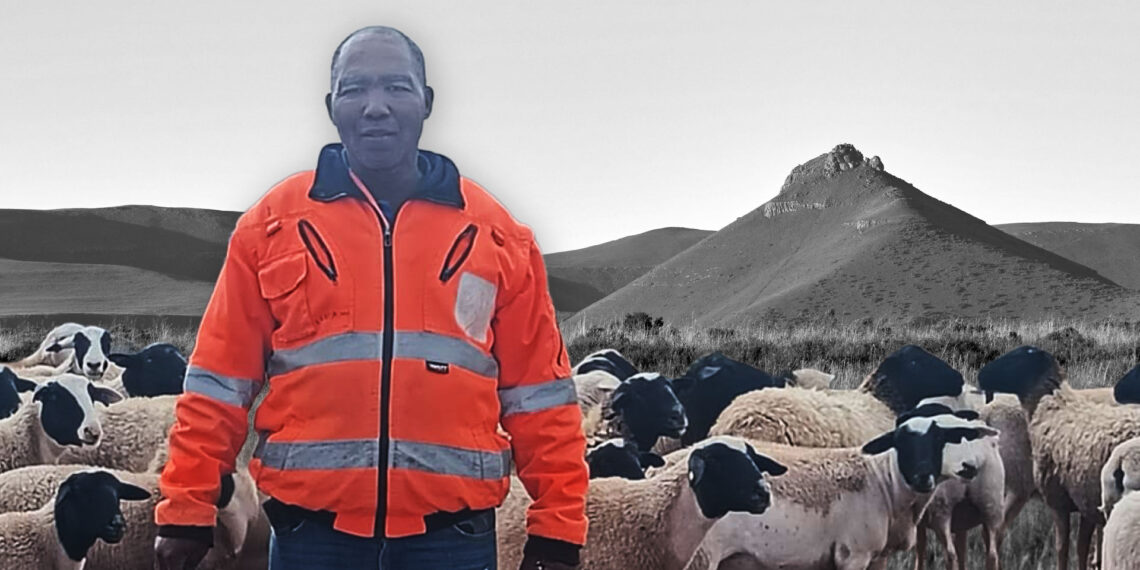
Farmers in Pofadder in the Northern Cape have raised frustrations over the piece of land that the municipality has given them to farm, with some having to share less than two hectares and being unable to do anything on the land. They are also struggling with water to sustain farming operations.
Sheep farmer Frans Baartman said the land the municipality has given them is not enough, as they cannot expand. In some instances, they have to scale down on their operations.
“There are about five to six of us on one land, which makes it extremely difficult to farm. Our sheep get stolen because we cannot do as we please with this land; it does not belong to us. We cannot expand, we work from hand to mouth as farmers. Our operations are just for survival.
“We also receive rain once a year, and we do not have a reliable source of water as our area is extremely dry. I cannot even dig a borehole because I do not have full rights to this land,” he said.
No support to work the land
Baartman said crime in the area is high, and he has lost so many sheep because of stock theft. There is not enough fencing to cover the entire farm to ensure that their livestock is safe.
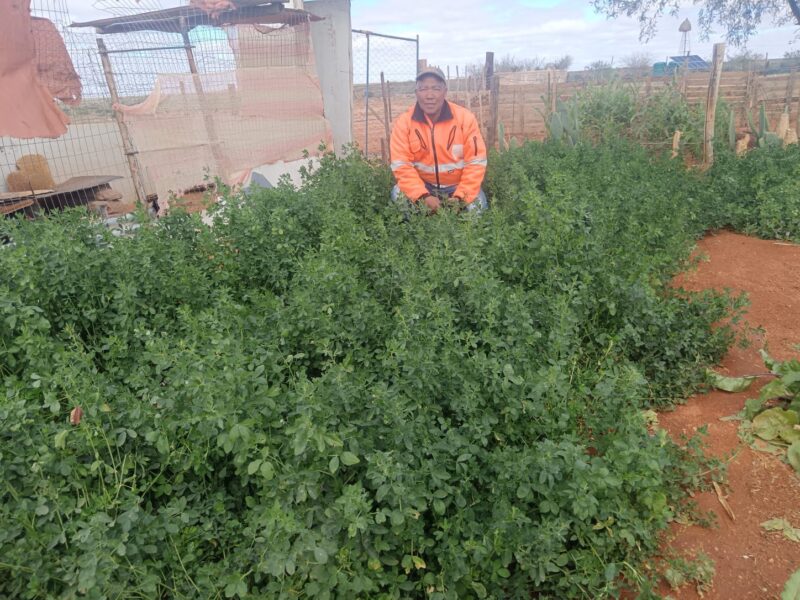
“We need bigger land and fencing from the municipality, it cannot be that for the past five years in farming, I am still operating at the same scale. There are no jobs in this area, there are no economic activities, but we who try to make a living are not being helped.
“The environment we operate in is not very conducive for us to grow; we remain small farmers even when there are opportunities for us to grow,” he said.
Related stories
- Leadership limbo: Unfilled HOD post cripples agri in Northern Cape
- N. Cape farmers throttled by infrastructure, floods, fires
Erena van Staden, a livestock farmer and representative of farmers from the National African Farmers Union (Nafu), said farmers are unable to apply for funding because the municipality has only given them three-year leases.
“[The] minimum to even get help from other structures of government [is] to have a five-year lease agreement. We have knocked on the doors of the municipality, but our plea goes on to deaf ears. Farmers are cramped on a very small portion of the land and cannot operate to their full capacity,” Van Staden said.
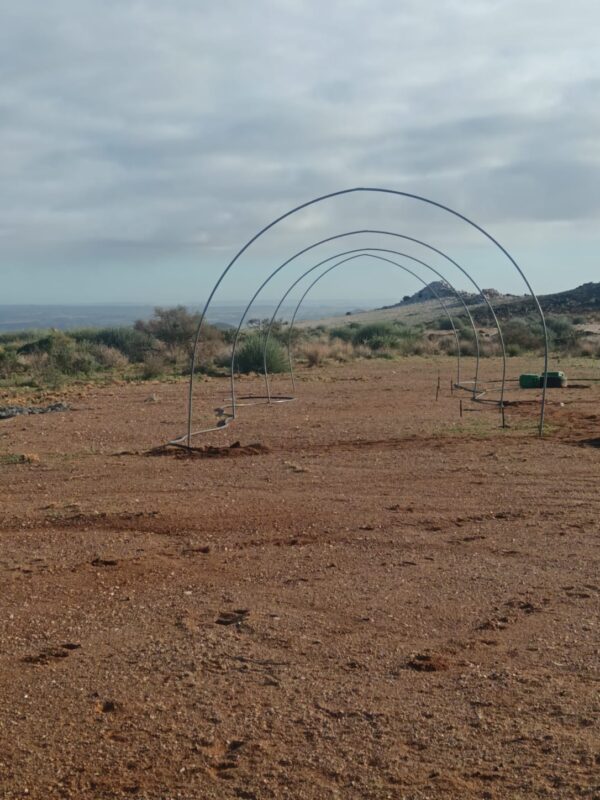
“While we have gotten the land, the reality is that putting up to ten farmers to farm in one area without giving them space is set up for failure. We do not want handouts, we just want more land. There is no farmer here who farms with more than one commodity because the space is not there, while a large portion of land belonging to the municipality is unused,” she said.
Forced to give up farming
Meanwhile, Susana and Martin Paulse, who stopped operating their goat farm three years ago, said most of their challenges emanated from the municipality, which failed to listen to them and give them assistance when needed.
“We are not the only ones who decided to stop farming, there are many of us. We decided to stop farming because the municipality decided to stop our water; we cannot farm without water. Farming is in our DNA, we cannot live without farming.
“Farming is our bread and butter, and what we’re going through is very sad. We are struggling to get reasons from the municipality why our water was cut off. We have started preparing the soil to kick start crop farming, but we had to let them die because we had no water,” Susana said.
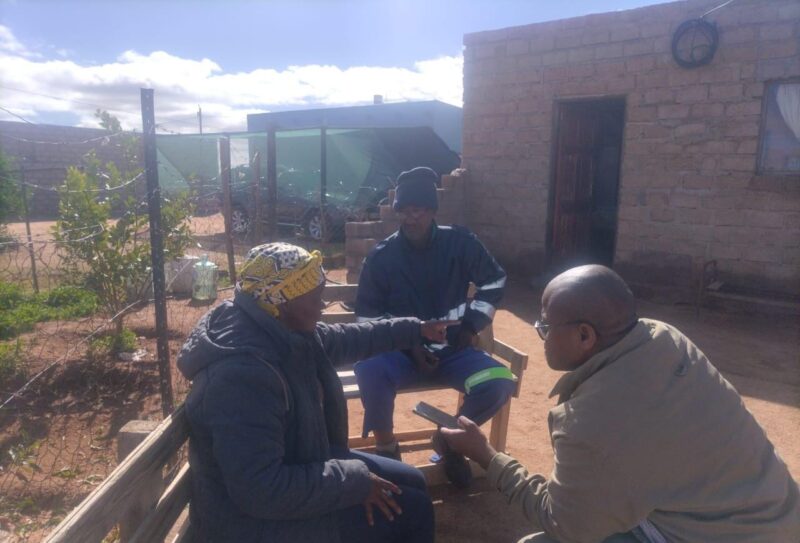
Martin added that it is painful that he has to start looking for work to care for his family, while they have land but no water to operate.
“We have no answers as to why the water was cut. We had to sell our livestock because what were we going to do with it? On top of the devastating drought that we experienced, the municipality decided to switch our water off. We cannot say it is because of the high bill because we do not have a bill, there is no system used,” he said.
Efforts to get official comment from the Khai-Ma local municipality and the provincial department of agriculture, rural development and land reform were unsuccessful following numerous attempts to get a response.
READ NEXT: NC farmworkers empowered: Skills, safety & dreams ignited
Sign up for Mzansi Today: Your daily take on the news and happenings from the agriculture value chain.