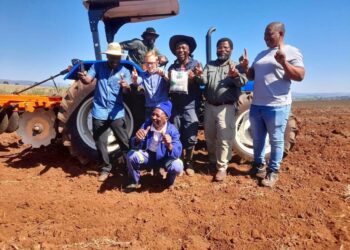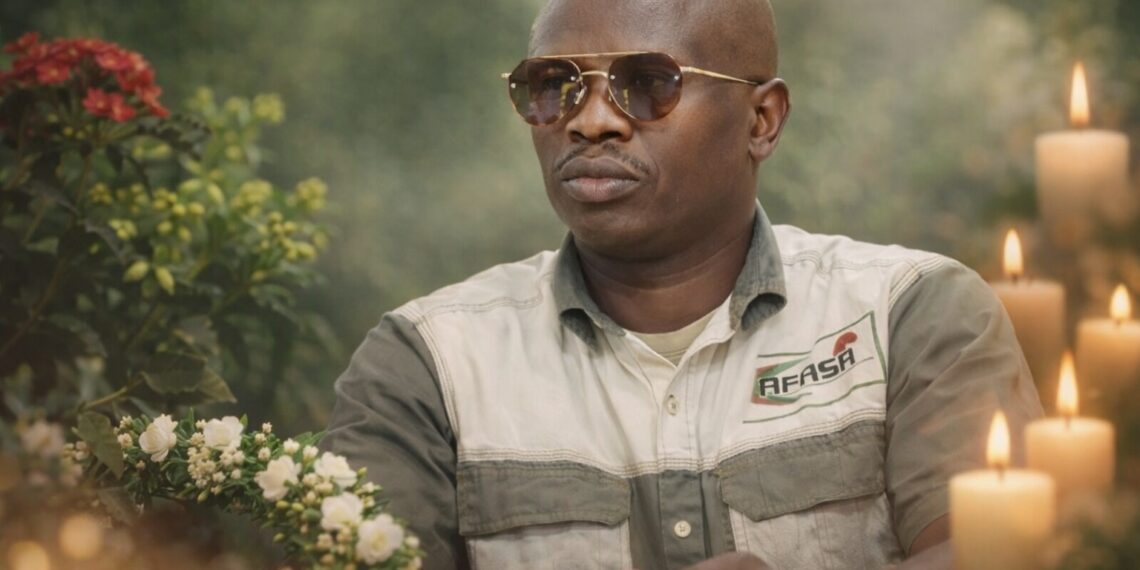
The brutal killing of well-loved KwaZulu-Natal farmer and African Farmers’ Association of South Africa (Afasa) provincial chairperson Mbongeni Skhakhane has drawn condemnation at the highest levels of government. Agriculture minister John Steenhuisen described the attack as a direct threat to food security, economic stability and social cohesion in South Africa.
Skhakhane was shot and killed at his place of business in Sweetwaters, KwaZulu-Natal, last week. The motive for the attack remains unclear and police investigations are ongoing.
In a statement released on behalf of the department of agriculture, Steenhuisen extended his condolences to the Skhakhane family and the broader Afasa community, while strongly condemning what he called a “senseless and cowardly act of violence”.
“The loss of Mr Skhakhane is not only a profound tragedy for his family and colleagues, but a significant blow to the agricultural sector and rural communities he served with dedication and integrity,” Steenhuisen said.
He described Skhakhane as a committed farmer, community leader and tireless advocate for the empowerment of emerging farmers in KwaZulu-Natal, warning that attacks on farmers and rural leaders undermine the foundations of a democratic society.
“Any attack on farmers, business owners, and community leaders undermines food security, economic stability, and social cohesion in our country,” the minister said. “Such acts have no place in a democratic South Africa.”
Steenhuisen confirmed that the government would continue working with stakeholders to address crime affecting agriculture, and joined AFASA in calling for a thorough investigation and swift arrests.
Black agriculture ‘robbed again’
The killing has also sparked outrage among black farmer organisations, with the Black Agricultural Commodities Federation (BACF) warning that Skhakhane’s death represents yet another devastating loss for black agriculture.
In a strongly worded statement titled “Black agriculture robbed, again!”, BACF said the murder came at a time when black farmers were already facing deepening economic exclusion, hardship and marginalisation.
“The tragic murder of Mr Mbongeni Skhakhane, a very able KwaZulu-Natal provincial leader of AFASA, is a huge loss to black farmers who are daily trying to unshackle themselves from continuing and ever-accelerating bondage,” the federation said.
BACF national chairperson Lindiwe Hlubi called on black communities across the country to remain vigilant, warning that the loss of leaders who are actively working to lift communities out of poverty has devastating long-term consequences.
“These are leaders who sacrifice their lives for the restoration of black dignity,” Hlubi said.
The federation also called on both the Department of Agriculture and the South African Police Service to urgently prioritise safety in rural and farming communities, saying violence continues to erode already fragile progress.
“Let us recommit ourselves to intensifying the fight that our brother Mbongeni Skhakhane has been waging, making sure that our leader did not die in vain,” the statement said.

Shockwaves through agriculture
As previously reported by Food For Mzansi, Afasa national leadership described his death as a devastating loss to farming, rural development and emerging farmer support in KwaZulu-Natal.
“Mr Skhakhane was not only a dedicated farmer but also a committed community builder who worked tirelessly to uplift emerging farmers and strengthen rural development,” the organisation said in an earlier statement.
Skhakhane was widely respected for his hands-on mentorship of new farmers and his role in strengthening farmer organisations at grassroots level, particularly in communities often left on the margins of the agricultural economy.
The murder once again places the issue of farm safety firmly in the national spotlight, amid growing concern that violent crime is driving leaders, investment and skills out of rural areas.
Agbiz chief economist Wandile Sihlobo previously warned that crime poses a direct threat to the sector’s future, noting that agriculture’s growth and job-creation potential depends on safety and stability.
Municipal leaders have also condemned the killing, with uMngeni mayor Chris Pappas describing Skhakhane as “a pillar of strength” and warning that violence against farmers and community leaders undermines local economic development.
READ NEXT: When farmworkers find their voice, work finds its dignity