Wednesday, March 4, 2026
SUBSCRIBE
21 GLOBAL MEDIA AWARDS
Food For Mzansi
  • News
  • Changemakers
  • Lifestyle
  • Farmer’s Inside Track
  • Food for Thought
No Result
View All Result
  • News
  • Changemakers
  • Lifestyle
  • Farmer’s Inside Track
  • Food for Thought
No Result
View All Result
Food For Mzansi
No Result
View All Result
in Advertorial

Farmers must leverage tech to weather climate change

Even basic mobile technology can help smallholder farmers across Africa do better business and there's great opportunity to help them weather climate change through tech. Vodacom is heeding the call to connect farmers to the tools they need

by Staff Reporter
18th April 2022
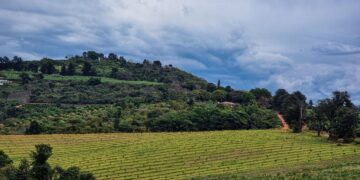
Leveraging technology can help African farmers weather climate change, says Vodacom, who is equipping farmers with technological tools for more resilient businesses. Photo: Supplied/Food For Mzansi

Leveraging technology can help African farmers weather climate change, says Vodacom, who is equipping farmers with technological tools for more resilient businesses. Photo: Supplied/Food For Mzansi

Share on FacebookShare on TwitterShare on WhatsApp

Across Africa, climate change is a major threat to agriculture, especially for farmers in developing markets. Technology is one way of enabling smallholder farmers to become more resilient and to weather climate change, experts say, but leveraging it is a matter of urgency.

Case studies across Africa demonstrate the positive impact that access to even the most basic mobile technology can offer smallholder farmers. This underscores the importance of driving inclusive access to digital technology, especially mobile-based tech, to help the continent’s farmers mitigate the impact of climate change. 

According to Takalani Netshitenzhe, external affairs director for Vodacom South Africa, sustainably increasing farming productivity is imperative. “Technology has a great role to play as a developmental tool. There is anecdotal evidence of this development in the markets in which [we] operate within the continent, where smartphone penetration is still low but small-scale farmers are not outpaced.”

Takalani Netshitenzhe, external affairs director for Vodacom South Africa. Photo: Supplied/Food For Mzansi

When it comes to climate change, Africa is in grave danger, experts reckon. In the form of extreme weather conditions such as the increased intensity and frequency of droughts, extreme heat, erratic rainfall patterns, heavier storms, and flooding, climate change presents a major threat to agricultural development.

Extreme and unpredictable weather conditions cause greater crop volatility, hamper livestock yields and increase the likelihood of pest and disease outbreaks which, in turn, has a massive impact on the economy.

The stage is being set for success

Meanwhile, Vodacom has heeded the call and has made some strides in easing rural and farming communities’ access to technology.

“Across the continent, where Vodacom operates, examples show how simple mobile-based technology can unlock opportunities, even for farmers using entry-level feature phones, no matter where they are based,” says Netshitenzhe. 

In South Africa, the mobile communications company has partnered with UN Women and South African Women in Farming (SAWIF) to establish and drive a Women Farmers Programme aimed at making agriculture more accessible and profitable for women.

They do this by teaching beneficiaries how to use apps to connect to potential customers and unlock economic growth opportunities.

The project has so far trained more than 2 000 women while the SAWIF database of farmers is now digitised and easily accessible by all the women who have received computer literacy and basic business management training.

“By pinpointing where farmers are struggling and proposing the path forward on the back of technology,” Netshitenzhe adds, “we can make impactful, sustainable changes that will promote climate-smart agriculture on the continent.”

ALSO READ: Vodacom backs food gardens at 8 ECD centres

Sign up for Mzansi Today: Your daily take on the news and happenings from the agriculture value chain.

Staff Reporter

Researched and written by our team of writers and editors.

Tags: Agricultural technologyClimate change

Related Posts

How Culdevco supports SA fruit growers with resilient cultivars

How Culdevco supports SA fruit growers with resilient cultivars

24th February 2026

Precision irrigation drives Zimbabwe’s blueberry boom

19th February 2026

Standerton proves partnerships can power rural transformation

Ending child stunting: Why the first 1 000 days start at home

Public employment is not charity; it is nation-building

Cultipowered: Levelling the playing field for emerging fruit farmers

Seriti Institute connects partners for lasting community change

Drip irrigation: A game-changer for Zambian horticulture

Land reform stalls, CSI offers a path forward – Setou
Climate Change

Why the environment is the real boss of farming

by Ndeke Musee
1st March 2026

Farming that ignores the environment is farming without a future. South Africa’s food security depends on healthy soils, clean water,...

Read moreDetails
Ten tips to establish grazing pasture and boost profits

Invasive mesquite plants threaten NC’s soil and livelihoods

28th February 2026
Sinovuyo Senior Club grows food, love, and care in Khayelitsha

Sinovuyo Senior Club grows food, love, and care in Khayelitsha

27th February 2026
Land reform: How the private sector can bridge the funding gap

Land reform: How the private sector can bridge the funding gap

27th February 2026
Stock theft, fighting FMD high on NW and WC priority list

Stock theft, fighting FMD high on NW and WC priority list

27th February 2026

Agri sector warns: Fill US ambassador post or risk trade fallout

Canegrowers urge intervention amid Tongaat Hulett’s liquidation

Three years on: Is the master plan delivering for farmers?

Never giving up: Nompilo’s recipe for sauce and success

This week’s agri events: 02 – 06 March

Join Food For Mzansi's WhatsApp channel for the latest updates!

JOIN NOW!
Next Post
Floods in KwaZulu-Natal have caused great economic and social damage, and the state of the Durban port has export farmers worried. Photo: Supplied

KZN floods: Durban port has export farmers worried

THE NEW FACE OF SOUTH AFRICAN AGRICULTURE

With 21 global awards in the first six years of its existence, Food For Mzansi is much more than an agriculture publication. It is a movement, unashamedly saluting the unsung heroes of South African agriculture. We believe in the power of agriculture to promote nation building and social cohesion by telling stories that are often overlooked by broader society.

Castor bean farming could be SA’s next big opportunity

Farm clinics bring healthcare closer to Cape Winelands workers

Why SA is importing FMD vaccines from Argentina

Targeted supplier development helps Noko Trust thrive

Gqeberha agripreneur turns backyard into thriving medicinal hub

Three years on: Is the master plan delivering for farmers?

  • Awards & Global Impact
  • Our Story
  • Contact Us
  • Cookie Policy
  • Privacy Policy
  • Copyright

Contact us
Office: +27 21 879 1824
News: info@foodformzansi.co.za
Advertising: sales@foodformzansi.co.za

Contact us
Office: +27 21 879 1824
News: info@foodformzansi.co.za
Advertising: sales@foodformzansi.co.za

  • Awards & Global Impact
  • Our Story
  • Contact Us
  • Cookie Policy
  • Privacy Policy
  • Copyright
No Result
View All Result
  • News
  • Changemakers
  • Lifestyle
  • Farmer’s Inside Track
  • Food for Thought

Copyright © 2024 Food for Mzansi

This website uses cookies. By continuing to use this website you are giving consent to cookies being used. Visit our Privacy and Cookie Policy.