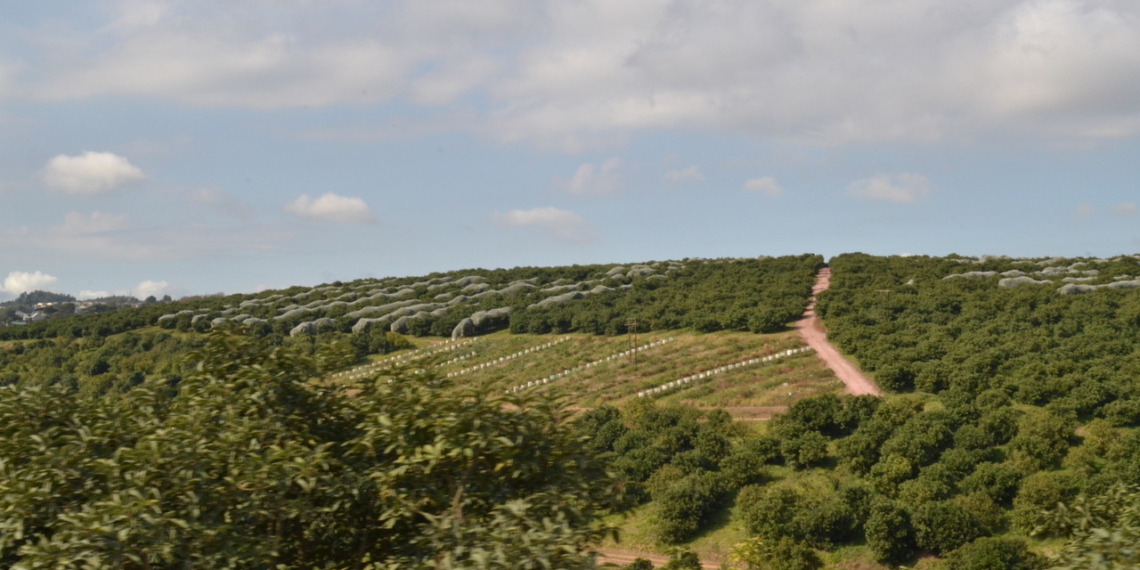
Emseni Farming, in the rural Kranskop area of KwaZulu-Natal, lives up to its name. Emseni means “farming with grace” in isiZulu. Grace has always been a part of this agricultural community, bringing energy and enthusiasm to its widespread avocado orchards.
Emseni is a diversified agricultural project that not only sustains the work of the KwaSizabantu Mission where it is located but also uplifts its community and plays a major role in teaching local farmers how to farm successfully.
Avocado farming is a dynamic, rapidly growing sector of modern agriculture, driven by rising global demand for nutritious, sustainably produced food. Known for its rich flavour and high nutritional value, the avocado has become a dietary staple worldwide, creating significant opportunities for farmers and agribusiness entrepreneurs alike.
Beacon of innovation, sustainability
The avocado project is a strong example of how strategic planning, sustainable practices, and community involvement can drive success in modern agriculture. In response to growing global demand for avocados, the project has evolved into a productive and profitable farming initiative, demonstrating the potential of avocado cultivation as a viable agribusiness.
It has gone a step further, transforming unused land into a bee-friendly flower paradise for pollination. Currently, Emseni also produces honey and uses leftovers from the Mission and its greenhouses to make compost.
The continued growth of the Emseni avocado project highlights the importance of innovation, sustainability, and market awareness in agriculture. It serves as a model for emerging farmers and agricultural projects aiming to succeed in the competitive avocado industry.
Related stories
- Avocado post-harvest care: Essential tips for new farmers
- Avocado farmer grows success by thinking like a boss
- The buzz about honeybees: Farmers’ role in protecting pollinators
- No water, no farming: Broken pipes halt KZN women farmers
Emseni trains local farmers to farm successfully and provides seedlings and other support to help them farm successfully. The main aim is to be self-sufficient and help local farmers succeed.
The Kranskop and Maphumulo areas are facing significant challenges in accessing nutritious food and gaining employment opportunities, which has led to heightened food insecurity among their residents. This situation arises from a multitude of interrelated factors. Key social and economic issues, along with natural disasters such as droughts, exacerbate the difficulties these communities face.
The rapid population growth puts additional pressure on local resources, making it increasingly difficult to secure a stable food supply.

Moreover, entrenched cycles of poverty hinder not only food production but also the distribution of available resources. These circumstances have severely impacted locals’ ability to cultivate their land effectively, resulting in reduced agricultural output.
Empowering the community
In response to these pressing challenges, Emseni has taken proactive measures to support the community. It has implemented training programmes aimed at teaching emerging farmers essential farming techniques and practices.
By equipping individuals with the knowledge and skills necessary for effective agriculture, Emseni is helping to foster sustainable farming practices that can lead to increased food security and economic development in Kranskop and Maphumulo. This initiative is a vital step in empowering the community and addressing the underlying issues contributing to their struggles with food availability and employment.
READ NEXT: Wine tourism: SA farms are cashing in on the experience economy