Monday, February 23, 2026
SUBSCRIBE
21 GLOBAL MEDIA AWARDS
Food For Mzansi
  • News
  • Changemakers
  • Lifestyle
  • Farmer’s Inside Track
  • Food for Thought
No Result
View All Result
  • News
  • Changemakers
  • Lifestyle
  • Farmer’s Inside Track
  • Food for Thought
No Result
View All Result
Food For Mzansi
No Result
View All Result
in News

ICYMI: Many small-scale pig farmers expected to quit in 2022

In case you missed it: A challenging year is expected for Mzansi's pork producers, with consumer spending under pressure and African swine fever outbreaks still a threat. And, with the grape harvest just around the corner, Vinpro's viticulturists have shared some tips for the 2022 harvest season

by Duncan Masiwa
15th January 2022
Pig farmers: In the Eastern Cape village of Upper Gxulu, the Afrivet One Health team has ear-tagged and vaccinated 115 pigs against the tapeworm that causes Neurocysticercosis (NCC) in humans. Photo: Supplied/Food For Mzansi

There is a strong focus on South Africa’s compartment system that protects pig herds against diseases like African swine fever. Photo: Supplied/Food For Mzansi

Share on FacebookShare on TwitterShare on WhatsApp

Although demand for pork in South Africa remains strong, consumer spending is under pressure. On top of that, sporadic African swine fever outbreaks in the informal sector has made matters worse. However, pig farmers remain positive, said Johann Kotzé, CEO of the South Africa Pork Producers’ Organisation (SAPPO) in a recent report to the European Pig Producers board.

Kotzé explained that 2021 had been a difficult year for South Africa, as it was for most countries.

In terms African swine fever (ASF), South Africa still has sporadic outbreaks in the informal sector. However, Kotzé said, “There is a strong focus on South Africa’s compartment system that protects pig herds against diseases. We also focus on contingency plans at farms and at abattoirs.”

The idea is to isolate the spreading of the disease and to limit the movement of pigs. SAPPO has been concentrating on prevention and information programmes about ASF among farmers in the informal and commercial sectors.

SAPPO CEO Johann Kotzé. Photo: Supplied SAPPO.

Kotzé said the demand remains strong in Mzansi, but consumer spending power is constrained.

“Prices at the farm gate and in retail stores are therefore not that high. South African pork producers’ margins are also under pressure because input prices are relatively high,” he said.

This year alone it is expected that many smaller-scale pig farmers will leave the industry. And farmers operating on a larger scale are likely to consolidate and become more efficient.

However, pork producers are positive about the future. They are extremely resilient and adapt quickly to changing circumstances, Kotzé pointed out.

“We believe that our integrity as producers and our high production, biosecurity and welfare standards will ensure a promising future. Our aim for the future is to grow traceability to assure consumers of the quality and safety of our proud production tradition and our excellent product,” he said.

ALSO READ: Pork industry to prioritise small-scale pig farmers

Tips to harvest 2022 grape crops

With harvest time hot on wine producers’ heels – and in some areas already in full swing – Vinpro’s team of viticulturists shared their tips for managing vineyards during the 2022 harvest season.

It’s all about perfect planning, they advised. Make sure you are prepared by getting harvesting tools ready and familiarising yourself with the cellar grading system and grape analysis standards.

Vinpro viticulturists also advised that farmers plan and schedule actions for the establishment of new vineyards in 2022. This includes soil preparation actions and complete evaluations and planning for vineyard establishment in 2023, as to ensure that planting material is ordered on time.

The 2022 wine grape harvest is expected to amount to 1,42 million tonnes, which is slightly above the industry’s five-year average. Photo: Supplied/Food For Mzansi

In the vineyard, farmers are advised to irrigate according to vineyard blocks’ needs, but continuously keep the wine target and expected harvest date in mind when making decisions regarding irrigation.

Vineyards should not experience a lot of water stress and/or too wet conditions before harvesting, as this could impede optimal flavour and colour formation, as well as good grape analyses.

It is advised that farmers pay attention to young vine development, and not apply fertiliser by later than the end of January.

As for harvesting itself, start monitoring ripeness early and make sure that grapes are harvested at the optimal ripeness for the specific wine goal.

Stay in close contact with the winemaker to keep them informed of the expected harvest date for the respective vineyard blocks, as well as to make the necessary arrangements in terms of delivery, Vinpro advised.

ALSO READ: Tonnes of top-quality fruit hanging in Mzansi’s vineyards

Sign up for Mzansi Today: Your daily take on the news and happenings from the agriculture value chain.

Duncan Masiwa

DUNCAN MASIWA is the assistant editor at Food For Mzansi, South Africa’s leading digital agriculture news publication. He cut his teeth in community newspapers, writing columns for Helderberg Gazette, a Media24 publication. Today, he leads a team of journalists who strive to set the agricultural news agenda. Besides being a journalist, he is also a television presenter, podcaster and performance poet who has shared stages with leading gospel artists.

Tags: Pig farmingSouth African Pork Producers' Organisation (SAPPO)Vinprowine harvest

Related Posts

Mooketsa Ramasodi (director-general of the department of agriculture), Daniel Helou (Biogénesis Bagó), Facundo Grimberg (commercial attache from Argentina), agriculture minister John Steenhuisen, and Raul Ailan (Argentine ambassador) at the arrival of South Africa’s first consignment of FMD vaccines. Photo: Supplied/Food For Mzansi

Relief at last: 1 million FMD vaccines touch down in Mzansi

21st February 2026
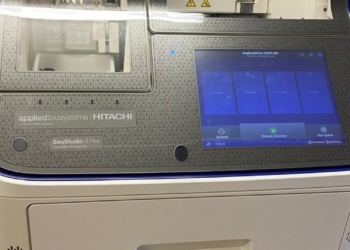
High-tech DNA instrument  strengthens SA’s livestock industry

High-tech DNA instrument strengthens SA’s livestock industry

21st February 2026

China tariff cuts to boost SA apple and pear exports

Agri jobs rise, yet small-scale farmers still struggle

Rooibos industry holds its ground amid climate uncertainty

Beyond sugar: How SA’s farmers are crushing it with diversification

South Africa eyes bumper grain and soybean crops

Meat is safe to eat despite FMD outbreak, assure experts

Advertorial

Precision irrigation drives Zimbabwe’s blueberry boom

by Patricia Tembo
19th February 2026

Zimbabwe is rapidly becoming a global blueberry powerhouse. By combining high-altitude growing conditions with Netafim’s precision irrigation technology, the country...

Read moreDetails
Beyond sugar: How SA’s farmers are crushing it with diversification

Beyond sugar: How SA’s farmers are crushing it with diversification

19th February 2026
Choosing the right maize variety for South African conditions is key to boosting yield, resilience, and profitability.

South Africa eyes bumper grain and soybean crops

19th February 2026

Traditional medicinal plants offer hope for men’s health

18th February 2026
Pomegranate pioneer: Debbie Theunissen’s rise in fruit farming

Pomegranate pioneer: Debbie Theunissen’s rise in fruit farming

18th February 2026

Expert urges farmers to leverage ‘good debt’ for growth

Relief at last: 1 million FMD vaccines touch down in Mzansi

Why South Africa needs to invest in small-scale beekeepers

Traditional medicinal plants offer hope for men’s health

South Africa eyes bumper grain and soybean crops

Join Food For Mzansi's WhatsApp channel for the latest updates!

JOIN NOW!
Next Post
Years after the so-called Estina dairy project was initially launched in the Free State, the provincial government, led by premier Sisi Ntombela, announced that it will finally hand it over to 65 verified farming beneficiaries. Photo: Supplied/Food For Mzansi

Estina dairy farm returned to rightful beneficiaries

THE NEW FACE OF SOUTH AFRICAN AGRICULTURE

With 21 global awards in the first six years of its existence, Food For Mzansi is much more than an agriculture publication. It is a movement, unashamedly saluting the unsung heroes of South African agriculture. We believe in the power of agriculture to promote nation building and social cohesion by telling stories that are often overlooked by broader society.

Why South Africa needs to invest in small-scale beekeepers

Relief at last: 1 million FMD vaccines touch down in Mzansi

High-tech DNA instrument strengthens SA’s livestock industry

China tariff cuts to boost SA apple and pear exports

High seas to harvest: Nonjabulo navigates new path in Ndwedwe

Agri jobs rise, yet small-scale farmers still struggle

  • Awards & Global Impact
  • Our Story
  • Contact Us
  • Cookie Policy
  • Privacy Policy
  • Copyright

Contact us
Office: +27 21 879 1824
News: info@foodformzansi.co.za
Advertising: sales@foodformzansi.co.za

Contact us
Office: +27 21 879 1824
News: info@foodformzansi.co.za
Advertising: sales@foodformzansi.co.za

  • Awards & Global Impact
  • Our Story
  • Contact Us
  • Cookie Policy
  • Privacy Policy
  • Copyright
No Result
View All Result
  • News
  • Changemakers
  • Lifestyle
  • Farmer’s Inside Track
  • Food for Thought

Copyright © 2024 Food for Mzansi

This website uses cookies. By continuing to use this website you are giving consent to cookies being used. Visit our Privacy and Cookie Policy.