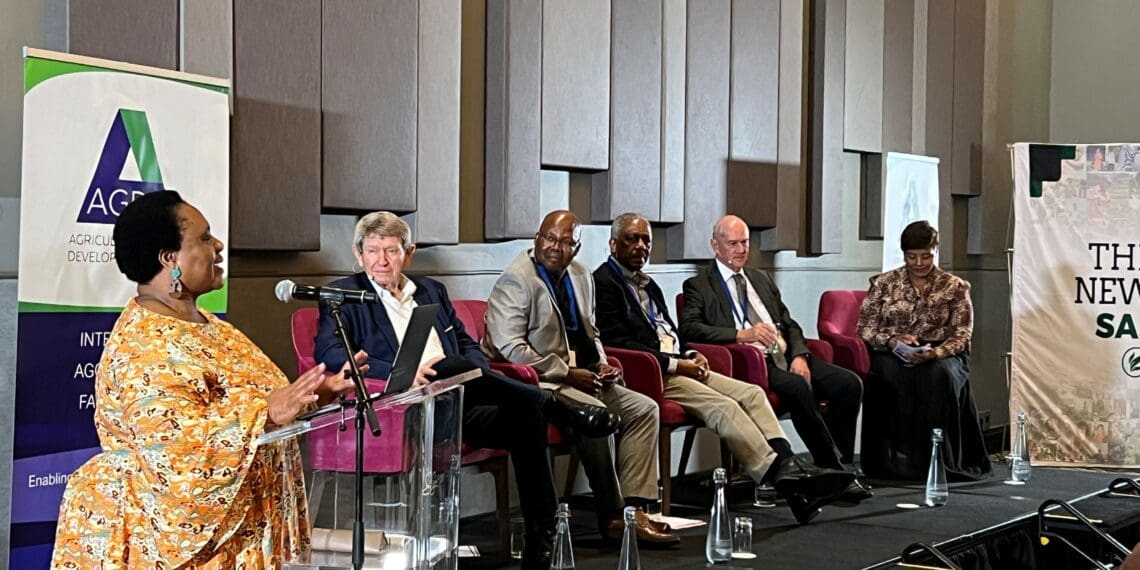
“To drive and execute the agricultural master plan, we need to integrate, aggregate, facilitate, and implement. The Agricultural Development Agency (Agda) is the ideal vehicle to use to achieve these goals. We are the soldiers to execute the plans.”
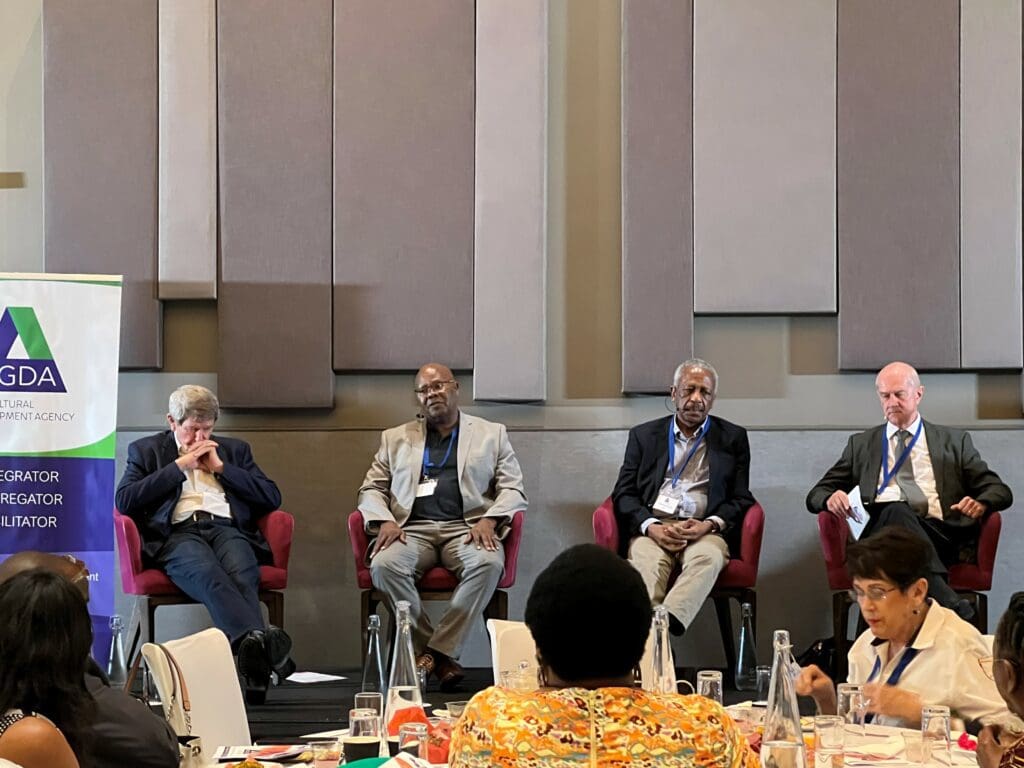
This was the message delivered by Dr Mathews Phosa, chairperson of Agda, at an exclusive roundtable discussion on the implementation of the Agriculture and Agro-processing Master Plan in Pretoria. The roundtable was hosted on the back of the 2023 Africa Agri Tech Conference.
Agda was brought into existence with the aim of empowering developing black farmers. With the publication of the Agri BEE Sector Code in 2017, a renewed focus was placed on transformation in the agriculture industry.
According to Phosa, every accomplishment started with a decision that was implemented. “A decision was taken to write the agricultural master plan, and we decided to establish Agda. Now we must act and implement our decisions and discussions.”
Time for the youth to get involved
He said that agriculture has a major role to play to grow the economy and added that the sector has the ability to contribute to youth employment across the value chain.
“The new technologies available in the sector offer a platform for young people to become involved in the sector.
“We appreciate that not everyone is a farmer, but there are many other opportunities for hard-working young people to explore. Inclusiveness across the food value chain can contribute to household food security,” Phosa said to a room full of key stakeholders from the government and private sector.
ALSO READ: Africa Agri Tech: Where SA has missed the boat
Partnerships are the way to go
In her address, Thoko Didiza, minister for agriculture, land reform and rural development (DALLRD), agreed that the day’s discussions can play an important role in driving the implementation of the master plan.
“Inclusive agriculture in South Africa is possible and there are many examples testimony to this, but we need to build on those to implement the master plan and grow the economy.
“Many people are passionate about agriculture and the majority of them can offer expertise based on vast experience. Collectively we must look at what we have and know, and contribute that to grow the sector and the economy. Everyone’s contribution is needed to complete the puzzle,” the minister pointed out.
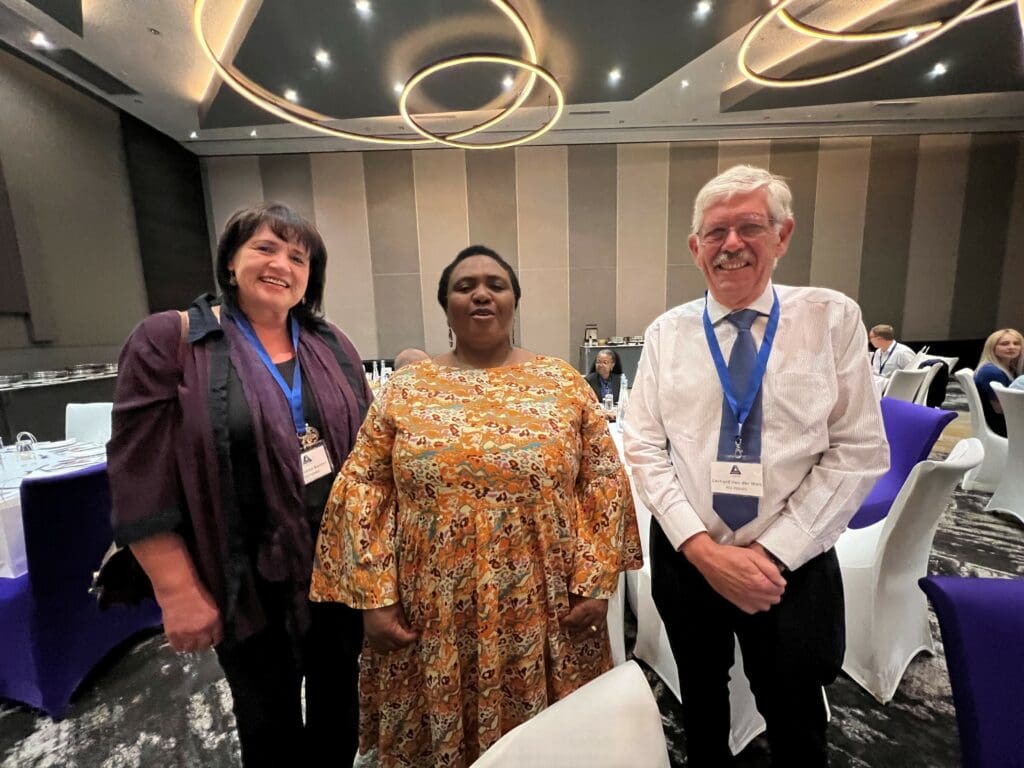
Opening the roundtable discussion, Agda CEO Leona Archary said that partnerships were the only way to achieve the implementation of the agricultural master plan in South Africa.
“Each partner has a role to play and together we can drive economic growth in the country to build South Africa to where it should be. Ideas must move into implementation and that is the purpose of today’s discussions.”
Key aspects to implement
Discussing the role that commercial farmers can play to support the implementation of the master plan through best-practice scalable models, the chief executive officer of the Schoeman Group and Agda board member, Kallie Schoeman, explained five key aspects that need implementation.
He pointed to promoting transformation, increasing food security, enhancing competitiveness, inclusiveness in the agri value chain, and securing financing for farmers.
“These five points can be achieved through partnerships with commercial farmers. Government is good at making plans but farmers are the ones that can implement,” Schoeman said.
Schoeman added that there were many examples of projects where commercial farmers are involved and where they, to a great extent, carry the risk on behalf of new-era farmers.
Supporting farmers through investment
Referring to the Zamukele Farmers’ Programme, Schoeman said farmers that are incorporated into the food value chain are on the first steps towards success.
“The Zamukele project aims to empower emerging dry bean farmers towards becoming commercial farmers. The project identifies and supports farmers by providing access to mentorship, technical advice, certified seed, fertiliser, chemicals, and local and international markets.
“Farmers are provided with the seed and fertiliser at the start of the growing season and then they make payment for these inputs after the crop has been harvested,” he said.
The project participants are effectively contract growers, as they know that whatever they harvest will be marketed to the Schoeman Group, Schoeman explained.
“Love for the soil and a true passion for farming is important but not enough. Farmers need someone with experience who can guide them through the pitfalls of the industry,” he said.
READ NEXT: AGDA mourns death of Malcolm Ferguson
Sign up for Mzansi Today: Your daily take on the news and happenings from the agriculture value chain.