Monday, February 2, 2026
SUBSCRIBE
21 GLOBAL MEDIA AWARDS
Food For Mzansi
  • News
  • Changemakers
  • Lifestyle
  • Farmer’s Inside Track
  • Food for Thought
No Result
View All Result
  • News
  • Changemakers
  • Lifestyle
  • Farmer’s Inside Track
  • Food for Thought
No Result
View All Result
Food For Mzansi
No Result
View All Result
in News

Land reform and rural safety top AgriSA’s 2026 agenda

AgriSA's 2026 policy outlook warns that land reform delays, weak governance, and rural safety issues threaten South Africa's agricultural stability and growth. The organisation calls for clearer policy implementation and stakeholder cooperation to protect farmers and food security

by Tiisetso Manoko
2nd February 2026
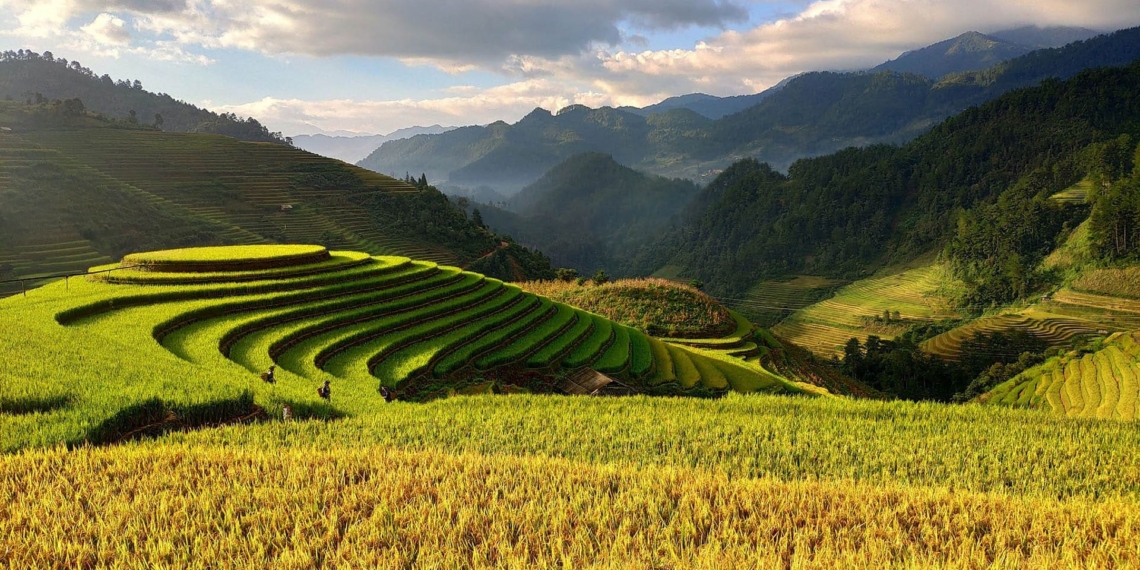
Small-scale farmers in Laos have found great reward in returning to an ancient practice. Photo: Supplied/Food For Mzansi

AgriSA’s 2026 outlook calls for reforms in land, water, and energy governance. Supplied/Food For Mzansi

Share on FacebookShare on TwitterShare on WhatsApp

While the year is still fresh, there are pending matters the agricultural sector is battling that need serious attention by all stakeholders to ensure growth and prosperity.

In their policy outlook for the year 2026 titled “Stability, reform and competitiveness in constrained economy”, AgriSA cited that this year, there will be various developments that could disrupt the required policy certainty, stability and regulatory architecture of the South African food system.

In the report, Agri SA stated that these developments range from continued uncertainty over the implementation of the Expropriation Act of 2024, major water governance reforms, and the need for critical reforms in energy, telecommunications and agricultural development.

“The real-world experience of the agricultural business environment is also plagued by challenges outside of the mandate of two state departments directly associated with agriculture, namely the department of agriculture and the department of rural development and land reform.

“As an industry, we have aligned ourselves with a practice of defining all-encompassing policies. This has taken effect in costly programmes on a national and provincial level that have largely continued to result in timid, fragmented, slow and uncoordinated successes and failures,” AgriSA said.

Land reform standoff

On land reform, AgriSA stated that they remain opposed to the Expropriation Act, and they will employ all necessary resources to defend property rights and uphold the principles that support farmers and the agricultural community at large.

“Land reform remains one of the most politically sensitive and economically consequential policy areas. AgriSA’s position on the South African Land Reform Programmes is guided by its Holistic Land Plan.


Related stories
  • Agri outlook: SA’s farmers face a year of reckoning and renewal
  • 2026 Outlook: Crops and exports shine as livestock battles FMD
  • Systemic failures stall SA’s land reform progress
  • Agri SA boss: ‘Unite for a greener, sustainable future’

“The fact that about 2.2 million hectares that have been acquired by the state have not been transferred to new farmers further demonstrates the ongoing underperformance of state departments in the implementation of land reform and agricultural development.”

According to the organisation, it is fully committed to protecting farmers against arbitrary expropriation. “While it is prepared to approach the courts on material flaws contained in the Expropriation Act if necessary, its long-term strategy must also focus on influencing the regulatory framework accompanying the Expropriation Act, ensuring clarity on just and equitable compensation.

“AgriSA will continue to engage government to secure transparent processes, fair valuation standards, and accessible appeal mechanisms.”

Policy implementation lacks

Land reform expert Peter Setou said looking ahead, the litmus test for the Expropriation Act lies in its implementation.

“The devil is in the details, and time will tell how the implementation of this piece of legislation will unfold. At the same time, any policy is as good as its implementation and the efficacy of the Expropriation Act.

“The anticipated enactment of the Equitable Access to Land Bill and the Communal Land Bill will hinge on the manner in which the provisions of the laws are implemented,” Setou explained.

He noted that the reasons behind the slow delivery of land reform are not new. They mirror some of the key findings outlined in the 2017 Report of the High-Level Panel on the assessment of the legislation, also known as the Motlanthe Report.

Peter Setou, chief executive of Vumelana Advisory Fund. Photo: Supplied/Food For Mzansi

“Similar sentiments were echoed by the Presidential Advisory Panel on Land Reform and Agriculture. Worryingly, there is little evidence to suggest that the institutional hindrances that the panels identified nearly 10 years ago are being addressed,” he said.

Meanwhile, on the topic of rural safety, Agri SA stated that rural safety remains a critical concern affecting farmer well-being, labour stability, investment confidence, and rural economies.

“Key challenges on rural safety are high levels of violent crime in rural areas. limited visibility and capacity of rural policing, inconsistent implementation of the rural safety strategy and social fragmentation and declining trust in institutions.

“On the national rural safety strategy, AgriSA has maintained that the strategy is a well-written document and that the issue remains the lack of effective implementation. AgriSA remains that the strategy should not be replaced, but only small adjustments should be made to allow for more relevant and practical implementation at station level,” AgriSA said.

READ NEXT: Consumer relief comes at a cost for maize farmers

Sign-up for the latest agricultural news delivered straight to your inbox every day with Mzansi Today!

Tiisetso Manoko

Tiisetso Manoko is a seasoned journalist with vast experience in community media. He possesses diploma in media studies majoring in journalism, certificate in civic leadership. He loves news from all angles with particular interest in local government, agriculture and politics. He is a staunch Mamelodi Sundowns Football club supporter.

Tags: Agri SACommercialised farmerInform meLand reformNational Rural Safety Strategy

Related Posts

Red meat production: Top techniques are available to transform sheep farming, promising efficient resource use and increased profitability, shaping a sustainable future for the industry. Photo: Supplied/Food For Mzansi

This week’s events: 02 – 06 February

2nd February 2026
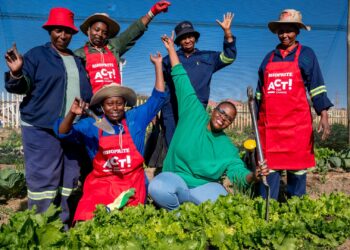
Shoprite’s Act For Change programme supports school and community food gardens across South Africa, improving child nutrition, food security, and sustainable local livelihoods. Photo: Shoprite

Food gardens feed learning and hope across Mzansi

31st January 2026

SA and Netherlands celebrate milestone in agri e-certification

Red meat value chain takes centre stage at Agri X Fusion

Tru-Cape partners with Harvard on premium apple strategy

Agri outlook: SA’s farmers face a year of reckoning and renewal

Tariffs bite, but SA wine exports show resilience

Agri graduates warned: Choose courses and colleges wisely

The Tru-Cape team with the Harvard Business School students at Tru-Cape’s office in Somerset-West. From left to right: Henk Griessel (Tru-Cape), Jaclyn Eagle, Lehlogonolo Phala, Hikari Yoshida, Princess Aghayere, Sneha Karkala, Jeanne Fourie (Tru-Cape), and Elri van der Merwe (Tru-Cape). Stephen Jordaan (Tru-Cape) is in front. Photo: Tru-Cape
News

Tru-Cape partners with Harvard on premium apple strategy

by Staff Reporter
30th January 2026

Through their partnership with Harvard Business School, Tru-Cape gained valuable insights into navigating the UK’s demanding fruit market. From influencer...

Read moreDetails
Natasha Zantsi’s love of serving others blossomed into Makoti Premium Rooibos Tea. Proudly South African, her tea honours Nguni culture, celebrates women, and brings comfort in every cup. Photos: Supplied/Food For Mzansi

Makoti Premium Rooibos: Zantsi brews heritage, love and wellness

29th January 2026
The agricultural landscape of 2026 is defined by a strategic shift toward resilience. Experts are urging a "year of consolidation," emphasizing that the lessons of previous years must inform future strategies to combat biosecurity threats, erratic weather patterns, and global trade shifts. Photo: Gareth Davies/ Food For Mzansi

Agri outlook: SA’s farmers face a year of reckoning and renewal

29th January 2026
ICYMI: Glass half full as first wine crop estimate exudes confidence

Tariffs bite, but SA wine exports show resilience

29th January 2026
Drip irrigation from Netafim is transforming Zambian horticulture by improving water efficiency, boosting crop yields and labour productivity, and helping farmers adapt to climate challenges. Photo: Gareth Davies/Food For Mzansi

Drip irrigation: A game-changer for Zambian horticulture

28th January 2026

SA and Netherlands celebrate milestone in agri e-certification

Shelembe family turns neglected land into thriving KZN farm

Soweto residents turn dumping site into food haven

Consumer relief comes at a cost for maize farmers
Food gardens feed learning and hope across Mzansi

Join Food For Mzansi's WhatsApp channel for the latest updates!

JOIN NOW!
Next Post
Yonela Rilityana has turned her grandparents' land into Nellas Sustainable Farming in Yawa, Eastern Cape. Photo: Supplied/Food For Mzansi

Harvesting heritage: Grandparents’ dream is Yonela’s mission

THE NEW FACE OF SOUTH AFRICAN AGRICULTURE

With 21 global awards in the first six years of its existence, Food For Mzansi is much more than an agriculture publication. It is a movement, unashamedly saluting the unsung heroes of South African agriculture. We believe in the power of agriculture to promote nation building and social cohesion by telling stories that are often overlooked by broader society.

Harvesting heritage: Grandparents’ dream is Yonela’s mission

Land reform and rural safety top AgriSA’s 2026 agenda

This week’s events: 02 – 06 February

Golden goodness: How to make your own granola

Food gardens feed learning and hope across Mzansi

SA and Netherlands celebrate milestone in agri e-certification

  • Awards & Global Impact
  • Our Story
  • Contact Us
  • Cookie Policy
  • Privacy Policy
  • Copyright

Contact us
Office: +27 21 879 1824
News: info@foodformzansi.co.za
Advertising: sales@foodformzansi.co.za

Contact us
Office: +27 21 879 1824
News: info@foodformzansi.co.za
Advertising: sales@foodformzansi.co.za

  • Awards & Global Impact
  • Our Story
  • Contact Us
  • Cookie Policy
  • Privacy Policy
  • Copyright
No Result
View All Result
  • News
  • Changemakers
  • Lifestyle
  • Farmer’s Inside Track
  • Food for Thought

Copyright © 2024 Food for Mzansi

This website uses cookies. By continuing to use this website you are giving consent to cookies being used. Visit our Privacy and Cookie Policy.