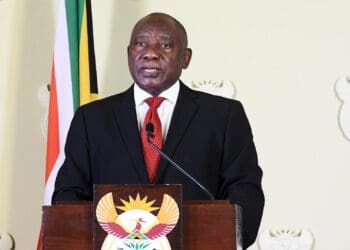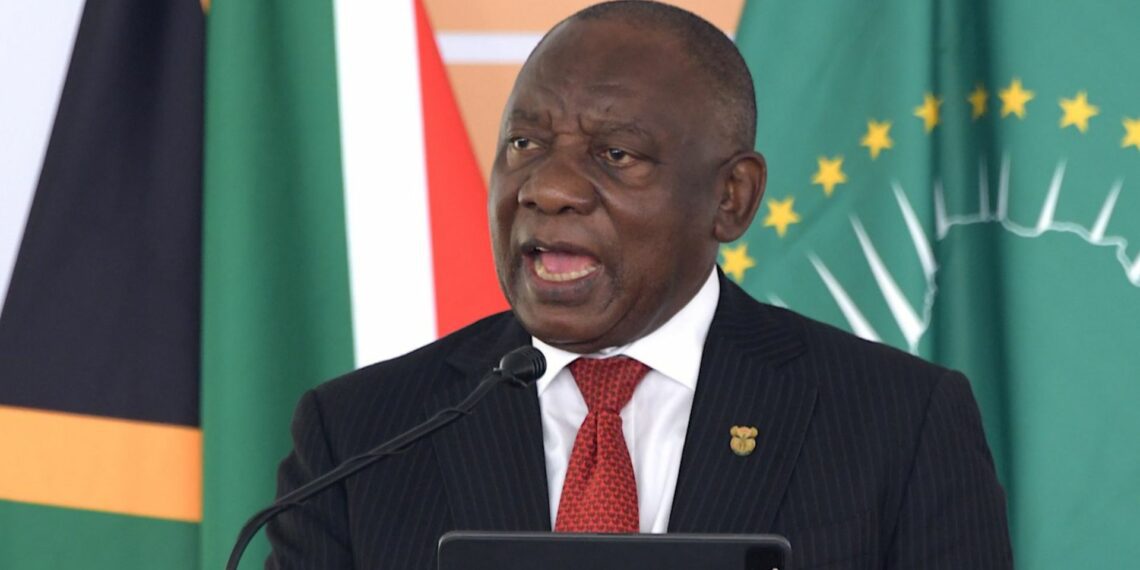
President Cyril Ramaphosa delivered the 2026 State of the Nation Address (Sona) under a tight economic climate with many industries demanding the government’s attention amid the many challenges they face.
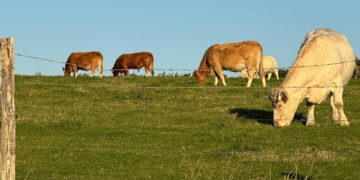
Ramaphosa addressed the devastating foot-and-mouth disease (FMD) outbreak, which has caused havoc in the country.
“While the rest of our agricultural sector is flourishing, the cattle industry is battling today, with the worst outbreak of foot-and-mouth disease our country has ever experienced.
“This disease is damaging our economy, resulting in export bans, trade relations and devastation of herds. We have decided to vaccinate the entire national herd. This requires 28 million vaccines in the next few months, and the state will facilitate the vaccinations to ensure we get the right vaccine,” he said.
Govt to take the lead in FMD vaccination
Ramaphosa explained that because South Africa is a regulated country, just like the Covid-19 vaccination, the state will take the lead in ensuring that no one administers the vaccination other than government officials.
“Our vaccination will be led by the South African Health Products Regulatory Authority (SAHPRA) for the cattle vaccine, and SAHPRA will be the one giving the authority to release the funds. We will work with the private sector to roll out the vaccines, and importantly, commercial and communal farmers have immediate access to vaccines.
“I have established a task team made up of farming organisations and experts working together with the minister of agriculture that will report to me every month about the progress we are making and dealing with the epidemic.”
The president added that his government will employ 10 000 new extension officers to support farmers and improve agricultural activity.
On the issue of water, Ramaphosa said his government is investing R156 billion in water and sanitation infrastructure. This follows the growing water crisis, which has impacted many areas. He informed the nation that he will be leading a task team that will focus on addressing the water challenges.
“For water, there is no silver bullet to address these issues; we all need to work together. To ensure water security in the long term, we are building new dams and upgrading existing infrastructure.
“If a municipality is not willing or able to provide a service to its residents, it must be done by another structure that can,” he said.
Ramaphosa said poor planning and inadequate maintenance of water systems by many municipalities are the main cause of the problems the country is going through now and the reason that taps run dry.
Related stories
- Voices of fed-up farmers shake the Union Buildings
- Sona 2026: Illicit trade and tariffs push farmers to breaking point
- Post-harvest pests, poor storage cut smallholder yields
- KZN declares FMD disaster as SA launches local vaccine
Trillions promised for public investment
The president stated that this year the government will prioritise organised crime and deal decisively with the illegal selling of goods such as tobacco. “We are establishing a national illicit economy disruption programme that brings together key state agencies and other stakeholders, including the private sector.”
Ramaphosa further stated that government has committed more than R1 trillion in public investment over three years to build and maintain infrastructure.
“Through the Infrastructure Fund and new regulations for public-private partnerships, we are using innovative funding models, reducing risk and attracting investors to fast-track projects in energy, water, transport and digital infrastructure.”
In growing the economy, Ramaphosa said the government will create jobs in sectors like agriculture, mining, services and the green economy.
“We are opening new markets for our exports, from citrus and avocados to maize, livestock, grapes and wine. Through the Blended Finance Scheme, working with the Land Bank and commercial banks, we have provided R7.8 billion in innovative funding to black producers.
“Our agriculture sector is expanding rapidly. Already, we are the second-largest exporter of citrus fruit in the world,” he said.
READ NEXT: Lesotho farmers are joining the 2026 Mzansi Young Farmers Indaba