Farmers already face numerous challenges throughout the growing season, but the struggle doesn’t end at harvest. After all the effort of planting and nurturing their crops, many are confronted with post-harvest losses, particularly infestations in stored grains like beans and maize. These insects bore holes into the harvest, damaging the produce and reducing its overall quality.
Many farmers can avoid these issues thanks to knowledge and good equipment, but others live with them every season. Some say harvesting too early invites the problem, others blame damp storage or the wrong choices along the way.
Pests a nightmare for farmers
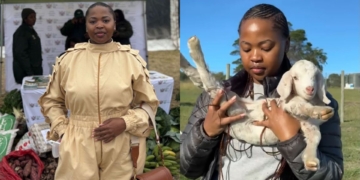
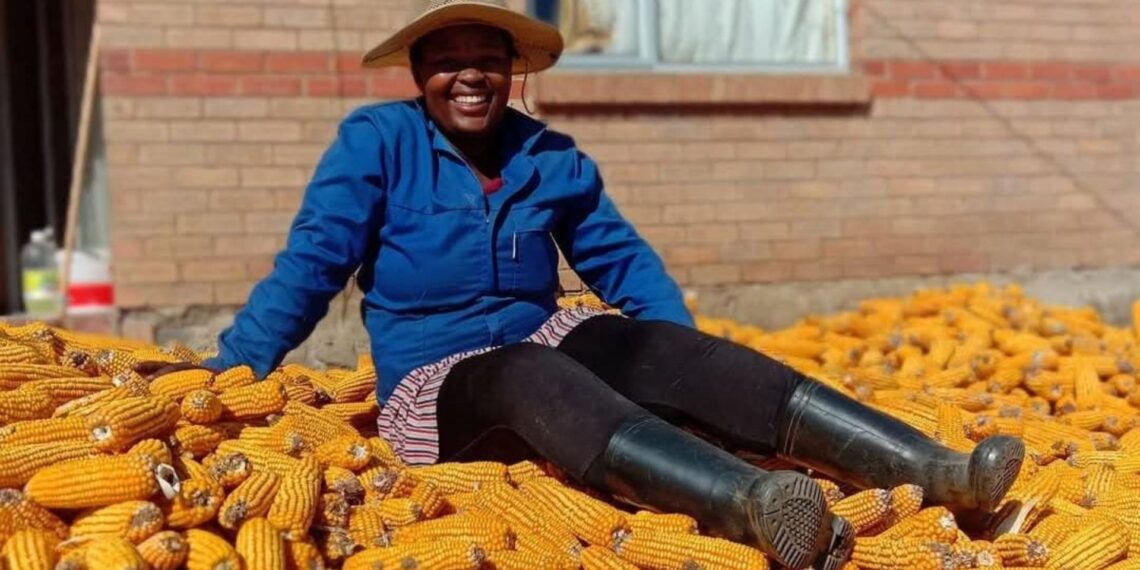
Athizintle Nkaqa, the founder and owner of Flying Eagle Mixed Farming in Mketengeni, Flagstaff, in the Eastern Cape, said that although maize and beans provide income through local sales, they also come with serious post-harvest challenges.
“Most of the problems come from bruchids in beans. They make ugly holes in the beans and reduce the quality.”
Because of these losses, Nkaqa said she has reduced how much maize she plants. “I used to plant on three hectares, but now I plant only one and a half hectares because of these challenges,” she said.
She explains that the situation is frustrating because she follows the correct production calendar, from planting to harvesting, yet the problem continues.
“I do everything at the right time, but the challenge is still there. I think damp forms after harvest, and that attracts maize weevils,” she added.

Nkaqa explained that she sells about 80% of her maize locally as fresh produce, while the remaining portion is used as animal feed. When it comes to beans, she produces mainly for home consumption, while she looks for solutions that would allow her to push local sales further.
Related stories
- Climate-smart agriculture breathes new life into NW maize yields
- A guide to sustainable dry bean farming
- Maize: Choosing the right varieties for local conditions
- Soil moisture insurance: A lifeline for small-scale maize farmers
Anda Zaku, founder of Iyana Farming Hub and co-founder of Mbhashe Gold from Mfula village, about 30 kilometres away from Dutywa in the Eastern Cape, said maize weevils remain a nightmare in his farming operations.
“I am not sure where we are going wrong, but with every harvest we face the same problem. As the maize grows, the cover of the cob opens, leaving the kernels exposed to different weather conditions.”
He believes this exposure could be contributing to the problem. “When it rains, the maize gets wet, and that moisture might be inviting the weevils.”

Because of the infestation, Zaku said customers are not interested in buying the maize. “No one wants dirty-looking produce, so most of the maize ends up being used as chicken feed.”
He adds that although he buys chemicals to control the pests, they do not seem to be effective. “Even after applying the tank chemical, tiny flying insects still appear.”
Zaku noted that they are using old tanks for storage, which may also be part of the challenge, but adds that this is what they currently have available.
Causes and signs of pest infestation
Unclean containers and poor storage conditions, such as high temperatures and high moisture, promote the growth of pests in stored grain, said Dr Makhosandile Rebe, an assistant director and entomologist with the Eastern Cape department of agriculture, serving Sarah Baartman and Nelson Mandela districts.
He explained that some signs of pest infestation include the presence of insects, holes on grain surfaces, frass (insect droppings), silk webbing in storage, and larvae near the stored food.

“The stored product must be dry enough to eliminate the need for chemicals. Farmers should use airtight drums and plastic bags.”
Rebe added that cooperatives have easy access to funding, which allows them to collectively invest in modern storage infrastructure. He advised that co-ops can also set up processing facilities, such as drying and milling units, which transform perishable crops into products with a longer shelf life.
Saving the grain
Despite improved seed and agronomic practices, post-harvest losses remain a major challenge for smallholder farmers, according to Dr Godfrey Kgatle, a production scientist with the Gauteng department of agriculture.
“Maize and beans are often lost to insect pests, poor storage and high moisture, which also promote mycotoxin contamination.”
Dr Godfrey Kgatle
These losses reduce food availability, compromise food safety, and force farmers to sell early at low prices to avoid total loss.
For many smallholder farmers, storage still takes place in traditional huts or granaries made from mud, wood, reeds or thatch. While these structures reflect generations of indigenous knowledge, Kgatle emphasised that they are increasingly inadequate under current production and storage conditions.

“One of the most effective interventions is improving drying before storage,” he said.
Simple practices such as drying grain on clean tarpaulins, raised platforms or in well-ventilated areas can significantly reduce moisture levels and slow pest development. Keeping storage areas clean and free of old grain residues also limits insect carry-over from previous seasons.
“A major opportunity lies in the adoption of hermetic, or airtight, storage technologies,” he added. By limiting oxygen inside the storage unit, hermetic bags and sealed containers prevent insects from surviving and reproducing without the need for chemicals.
Kgatle said these technologies have been widely tested in South Africa and across the continent and have proven particularly effective for maize and beans.
READ NEXT: Record maize harvest: SA faces stiff global competition