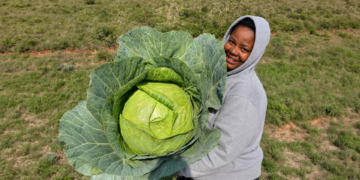
The Spar Group is spotlighting the transformative power of women in agriculture, showcasing how they are reshaping the food security landscape with their innovative, sustainable approaches. A key figure in this shift is Nomsa Ngwenya, founder of Ntl Baraka Eco-Farming, who has exemplified resilience and leadership.
With a master’s degree in agricultural science, Ngwenya turned to entrepreneurship, building a business focused on organic farming of cocktail tomatoes, herbs, and moringa. Her journey hasn’t been without challenges, but her determination has propelled her success.
Ngwenya currently supplies over 52 tonnes of cocktail tomatoes annually through the Spar Mopani Hub. Her recognition as Female Farmer of the Year by The Kagiso Trust’s Tyala Impact Fund further underscores her achievements. She has reinvested her prize money into solar-powered irrigation systems, improving both efficiency and sustainability on her farm.
Championing women farmers
Mpudi Maubane, public relations, communications and sponsorship manager at the Spar Group, highlights women’s role in driving economic and social change.
“Women have long been at the forefront of progress across industries. Agriculture is no exception, and we’re seeing an inspiring shift as more women take ownership of their farming businesses,” Maubane said.
Maubane said the Spar Group would continue to champion small-scale farmers, helping them scale up and integrate into the retail supply chain.
“Our goal is to create a truly inclusive food system where women-led farms can thrive, and for people to know that with every Spar Freshline product purchased, there is a woman farmer behind it,” Maubane said.
She added that Ngwenya’s story is a testament to the power of women’s resilience, entrepreneurship, and innovation in shaping the future of agriculture.
Ngwenya said her journey took a positive turn in 2022 when she joined the Spar Rural Hub programme, which provides small-scale farmers with resources, training, and access to markets.
“Spar’s support was a game changer, helping me increase production and transport my produce to market,” she said.
Looking ahead, Ngwenya plans to establish a processing factory for moringa-based products and explore opportunities in turmeric coffee and morula oil production, supporting both her business and her local community.
READ NEXT: Steenhuisen: ‘Ubuntu key to global food and climate crisis’
Sign up for Mzansi Today: Your daily take on the news and happenings from the agriculture value chain.