As a new academic year kicks off, prospective agriculture students are being urged to not only choose their courses carefully, but also where they study, as the reputation of the institution can shape their prospects.
Mamello Chobokoane Motaung, agricultural graduate treasurer general of the South African Agricultural Graduates Association (SAAGA), and a personal tutor, said their organisation had over 5 000 agricultural graduates who remain unemployed for various reasons. She highlighted that the majority did not choose the correct courses.
Chobokoane-Motaung said while there is a call for young people to get into agriculture, the reality is that the market is saturated and cannot take everyone.
Know what to study
“This highlights the importance of choosing more specialised fields of study to improve employment prospects. Niche fields are important. I always recommend focusing on niche areas like veterinary science or animal nursing. These fields not only increase the chances of employment but also open doors to starting one’s own practice.
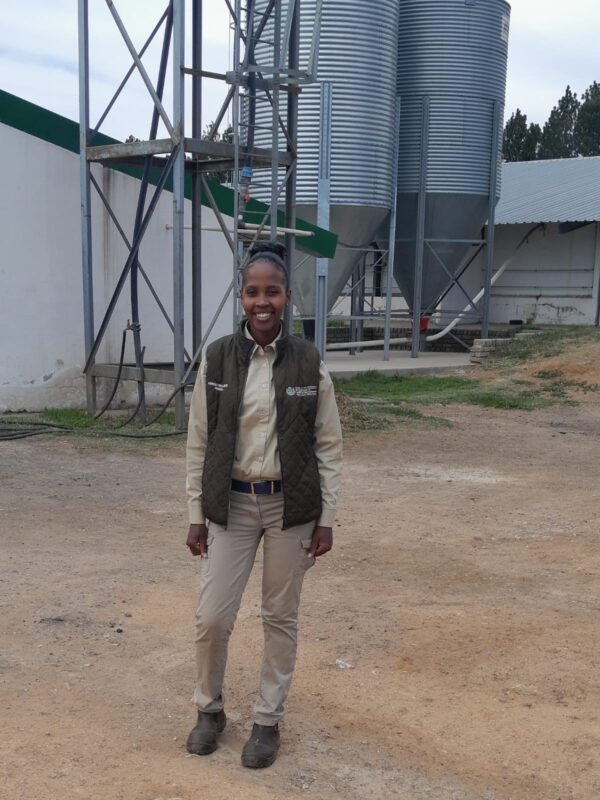
“From my experience, I find that learning agriculture practically is far more effective than just studying theory. When I teach practical skills, my students remember and understand the material much better,” she explained.
She added that it is critically important that everyone in the sector advises students to research the specific qualifications employers are looking for, so they can boost their chances of employment.
“I have also noticed that many agricultural programmes don’t come with bursary support. That’s why I encourage students to find out which companies offer bursaries and choose their qualifications accordingly.”
Related stories
- AgriSETA urges class of 2025 to choose TVET, agri colleges
- AgriSETA honours SA’s top agricultural skills champions
- Rabbit Meat Regulations: What farmers need to know
- Consumer relief comes at a cost for maize farmers
The importance of practical training
Steven Sikwane, a livestock farmer from Thabazimbi, who hosts students on his farm, emphasised the need for students to come with qualifications that will enable them to work.
“I totally agree that students who do in-service training on farms need to have qualifications that put them apart from the rest. Attitude of learning is equally important because one might have a good degree or honours, but if the attitude is not in line, such a person will not go anywhere.
“I have, for past years, taken students for training. I must say our colleges do try their level best, it’s just that our children just do not want to work hard, and unfortunately, there is nothing for free; there is no free pass. To add to this, they need to push themselves to the limits,” he said.
Sikwane called on farmers to also open their gates to students to learn and gain experience. He said to eradicate the backlog of unemployed graduates, farmers need to hire local people, especially students who also have to feed their families. “It is a value chain that needs to be sustained by us farmers and the community at large.”
Elijah Ramafoko, a retired deputy director responsible for farmer training, cited that while students must come prepared to work and learn, the institutions must be well-equipped to elevate the students, especially those from rural agricultural colleges.
“I truly believe that our training institutions, like colleges, their curriculum is not market-related. It needs to be overhauled so that it speaks to the needs of the farmers. Agriculture is on the ground, students must be on the field of study from the first year, not only in their final years.
“We have the potential; we just need to deal with the structural elements that hinder our students from doing well in the workplace. Statistics are there to speak for themselves: students are not finding work. Where does the problem come from? Our rural institutions, because that is where the majority of these students come from,” he said.
READ NEXT: Farmer-turned-MEC vows to strengthen NC agriculture