Pneumonia remains one of the most costly and dangerous diseases affecting livestock production, particularly in young, stressed or newly managed animals. If it is not detected early and treated correctly, it can lead to severe production losses, escalating veterinary costs and, in many cases, animal deaths.
Animal health technician Kenneth Malatji explains that the difference between recovery and loss often comes down to daily observation and swift, informed decision-making. He shares practical prevention tips for managing pneumonia on the farm.
Understanding what causes pneumonia
Pneumonia is a severe infectious and inflammatory condition affecting the lungs and airways, which compromises an animal’s ability to breathe efficiently and absorb sufficient oxygen. The term pneumonia refers specifically to lung inflammation caused by infection, whereas pneumonitis describes non-infectious inflammation of the lungs. Malatji emphasises that the disease is seldom caused by a single factor, but rather results from a combination of contributing conditions.
“In simple terms, pneumonia happens when the lungs of animals get infected or irritated. Most of the time, it’s not just one thing – it’s germs plus stress,” Malatji explains.
Germs: Viruses open the door, bacteria do the damage
Germs can include both bacteria and viruses. In many cases, a virus initiates the problem by weakening the animal’s immune system, which then allows bacteria to move in and cause infection. In cattle, this sequence of events is often described as bovine respiratory disease (BRD).
“The virus opens the door, and the bacteria cause the severe disease,” he says.
Related stories
- Protect your herd: Tips for preventing livestock theft
- Foot-and-mouth disease: What farmers need to know
- Tips for cattle farmers: Pregnancy detection & calving management
- Why bull performance testing is key to herd success
Stress and poor management
“This is the biggest trigger. Stress is the main reason pneumonia spreads in a herd,” Malatji notes.
Common stress factors include weaning, long-distance transport, mixing animals from different sources, overcrowding, dusty conditions and sudden weather changes. When animals experience stress, their immune systems become less effective at fighting off infections.
Housing and air quality
“Bad air damages the lungs. Dust, ammonia smells from manure and poor airflow can all trigger pneumonia.”
Aspiration pneumonia
“The fourth cause is aspiration pneumonia – when the animal breathes in the wrong thing,” he explains. This often happens during rushed drenching or feeding. If liquid enters the wrong airways and reaches the lungs, it can cause pneumonia and may be fatal.
However, with good management practices, most cases can be prevented.
Don’t miss these warning signs
Pneumonia rarely begins abruptly; animals usually show subtle changes first. Malatji highlights that these early behavioural signs are often missed.
“When animals stop eating or eat less, that’s a sign of concern. When an animal lags behind, isolates itself from the group, looks dull, quiet or depressed – those are warning signs.”
At this stage, animals may not yet be coughing. Farmers need to remain vigilant and act quickly when they notice these early signs.
Progression of pneumonia symptoms
Key signs include:
- Coughing originating from the lungs
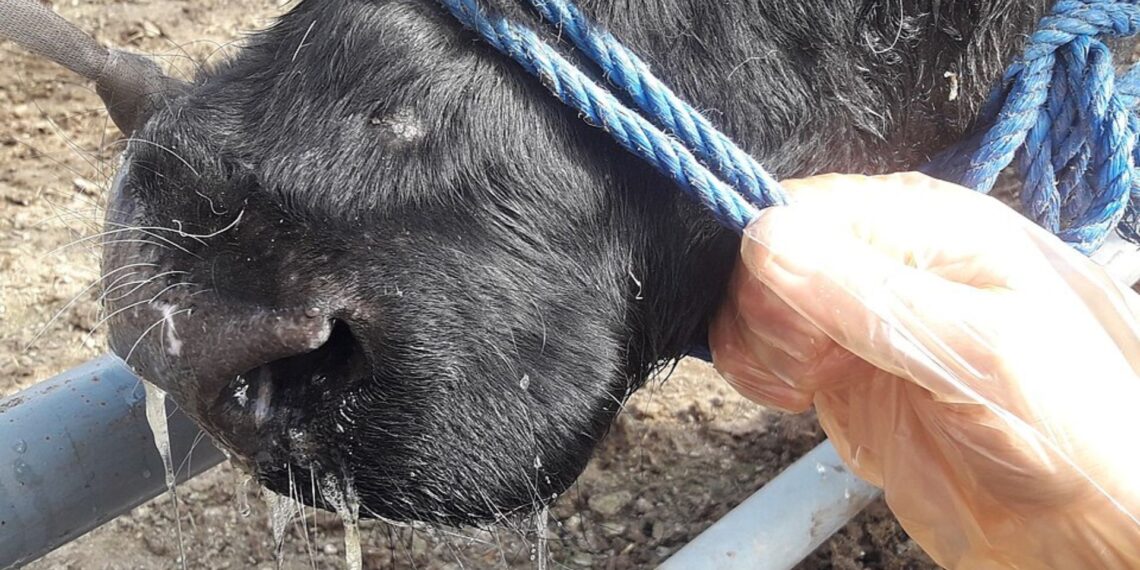
- Nasal discharge, from clear mucus to thick yellow mucus
- Fast, difficult or laboured breathing

“If no action is taken, the lung infection becomes more obvious. When breathing requires effort, that is a serious sign of concern,” Malatji warns.
Signs of advanced pneumonia include:
- Open-mouth breathing
- Rapid shallow breaths
- Weight loss and difficulty standing
These stages are very serious, and by this point, it becomes much harder to save the animal. This is why early disease identification is so important.
Pneumonia can progress very rapidly. Malatji warns that even a single day’s delay in treatment can significantly reduce the chances of recovery.
“Pneumonia can progress very rapidly, often within 24 to 48 hours.”
Delaying treatment increases production losses and the risk of death. To support early detection, Malatji explains that a structured daily monitoring system helps ensure that subtle changes in animal health are not missed.
“Knowing what a healthy animal looks like makes it easier to recognise when something is wrong,” he says.
Immediate steps when pneumonia is suspected
Step 1: Examine and take the temperature
“A thermometer is a very important tool that every farmer must have. When the temperature is above 40°C, that indicates fever, and fever is an emergency,” Malatji says.
Step 2: Act fast with correct treatment
“Time is critical when it comes to pneumonia. When you see the signs, immediately use an antibiotic that treats pneumonia,” he says.
Malatji refers to oxytetracycline-based products. He highlights Ultratet LA200 from Afrivet, describing it as a broad-spectrum, long-acting injectable antibiotic. He also mentions EcoSulf LA, emphasising the importance of correct dosing and completing the full treatment course.
“Most of the time, antibiotics don’t fail; they fail because they are not used correctly,” he says.
Step 3: Provide supportive care
Supportive care helps animals recover more quickly and cope better with stress. Electroguard NP can assist in managing dehydration, reducing stress and supporting rumen function.
“When you combine an antibiotic with products like ElectroGuard NF, you give the animal a much better chance of recovery,” he recommends.
Knowing when to call a vet or animal health technician
While early cases can often be managed on the farm, Malatji cautions that farmers should never work in isolation.
“There are state vets and animal health technicians available. It’s important to have their contact details and keep them informed,” he says.
Professional advice can be sought even before treatment begins. If farmers have access to veterinary support, they can ask for confirmation of the diagnosis or guidance on correct treatment and dosing. Veterinarians and technicians also play a crucial role in prevention planning, helping to develop long-term strategies to reduce the risk of pneumonia.
Malatji explains that farmers can act confidently when they understand clinical signs.
“With diseases like pneumonia, using the clinical signs we’ve discussed, a farmer can identify it and treat it with a broad-spectrum antibiotic,” Malatji says. However, follow-up is essential if treatment fails. If the disease persists after treatment, that is when the farmer should contact a vet or animal health technician for further guidance.
Why early treatment makes all the difference
This is a very important point – early treatment is the most critical factor in saving animals and reducing losses. Malatji frames animal health as a business decision, noting that animals represent a financial investment and that farmers are running a business.
- Improves recovery rates
- Reduces death and production losses
- Saves time and money
Avoiding common antibiotic mistakes on the farm
“Antibiotics are a key tool in fighting pneumonia, but many treatment failures happen because antibiotics are not used correctly,” Malatji says.
Common mistakes include:
- Wrong dose
- Incorrect injection site
- Stopping treatment too early
- Poor storage
The product insert is essential and should always be read carefully. If there is any doubt, farmers should contact their veterinarian, technician or supplier for guidance.
“In simple terms, good housing, cleanliness, low stress and careful health management are the best ways to prevent pneumonia,” he says.
Seasonal and weather-related risks
Malatji notes that the risk of pneumonia increases during cold months and seasonal transitions, and more cases are often seen during these periods. Dust, cold and nutritional stress weaken an animal’s natural defences, and dust in particular damages the mucous membranes, which serve as the first line of protection.
Final advice to farmers
Malatji urges farmers to act quickly when they notice the first signs of disease. Prompt action can save money, time and, most importantly, animals. For further support and training, he encourages farmers to seek information and resources.
READ NEXT: How South African farmers use AI to boost productivity