Tuesday, December 23, 2025
SUBSCRIBE
21 GLOBAL MEDIA AWARDS
Food For Mzansi
  • News
  • Changemakers
  • Lifestyle
  • Farmer’s Inside Track
  • Food for Thought
No Result
View All Result
  • News
  • Changemakers
  • Lifestyle
  • Farmer’s Inside Track
  • Food for Thought
No Result
View All Result
Food For Mzansi
No Result
View All Result
in Food for Thought

Asia’s appetite fuels new growth for South African citrus

South Africa’s citrus industry remains a symbol of resilience and global competitiveness, says Dr Lucius Phaleng. He highlights how orange exports to Asian markets have surged in recent seasons, and what is needed to determine their long-term success

by Lucius Phaleng
23rd December 2025
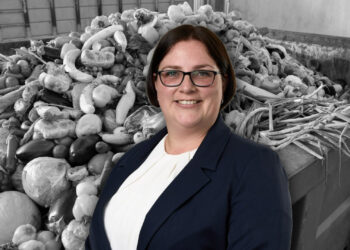
Dr Lucius Phaleng is a trade advisor at the Animal Feed Manufacturers Association (AFMA). Photos: LinkedIn/Gareth Davies/Food For Mzansi

Dr Lucius Phaleng is a trade advisor at the Animal Feed Manufacturers Association (AFMA). Photos: LinkedIn/Gareth Davies/Food For Mzansi

Share on FacebookShare on TwitterShare on WhatsApp

South Africa’s fruit export industry stands at a strategic turning point. Dr Lucius Phaleng, a trade advisor at the Animal Feed Manufacturers Association (AFMA), says despite technical trade barriers, the country’s orange industry continues to perform strongly in Asia, with exports to China soaring nearly fivefold over five years and India emerging as a key growth market.


As the global demand for fresh produce intensifies and international food safety regulations tighten, South Africa’s fruit industry finds itself at a strategic crossroads. The current trends reveal notable competitive strengths, persistent constraints, and transformative opportunities that could redefine the country’s export route. 

As the world’s second-largest exporter, South Africa continues to demonstrate robust export capabilities. Between 2003 and 2025, shipments to Asia expanded significantly, driven by rising incomes and growing consumer demand for fresh, nutritious produce.

China has emerged as the leading destination, with imports of South African oranges increasing almost fivefold over the past five years to reach approximately 64 052 tons in 2024. Other high-growth markets include India and Indonesia, where South Africa has strengthened its position despite intense competition from Egypt, Spain, Greece, and the United States. The key trade indicators highlight this performance.

The country maintains a consistently high relative comparative advantage (RCA) index, frequently above 20, while the Net Export Index (NXi) remains close to one hundred, underscoring South Africa’s sustained global advantage in orange production and trade.


Related stories
  • SA citrus celebrates orange tariff victory and record exports
  • Robust citrus exports drive SA’s agricultural export boom
  • CGA’s Dr Ntshabele charts bold citrus future for SA
  • CGA welcomes R51bn Transnet support amid citrus peak

Mixed bag of oranges in Asia

South Africa’s export strategy in Asia has yielded mixed outcomes across different markets. Significant annual growth exceeding 80% has been recorded in India, reinforcing its role as a core buyer. However, exports to Japan and South Korea have declined due to stiff competition from the US and Australia, alongside tightening market access conditions and complex phytosanitary requirements.

Additionally, the country lost market share in major Asian destinations, including Hong Kong, India, and South Korea, due to slower export growth than the global average from 2003 to 2013. Encouragingly, improved competitiveness in the period after 2014 has enabled the industry to regain traction in these regions.

Technical barriers to trade (TBT) and sanitary and phytosanitary (SPS) measures play a critical role in food safety and technical regulations. While intended to protect consumers, these rules often function as stringent non-tariff barriers. Japan, for example, applies rigorous TBT standards on transport, storage, and labelling that impact more than 75% of orange imports, including those from South Africa. 

It was confirmed statistically that stricter SPS and TBT regulations negatively affect export volumes, which suggests that compliance with these measures increases operational costs and may reduce competitiveness. Nevertheless, the same regulations can drive improvements in quality and long-term market positioning when effectively managed.

South Africa’s orange industry continues to show resilience and competitive advantage in a rapidly evolving global marketplace. Yet the future hinges on strategic investments in infrastructure, regulatory compliance, and market diversification. As Asian markets increasingly emphasise food safety, quality, and reliability, the industry’s ability to adapt proactively will determine its long-term success.

  • Dr Lucius Phaleng is a trade advisor at the Animal Feed Manufacturers Association (AFMA), specialising in trade and trade-environment matters affecting the procurement and supply of feed ingredients and raw materials in the feed industry. The views and opinions expressed in this article are those of the author and do not necessarily reflect the views or positions of Food For Mzansi.

READ NEXT: Eastern Cape citrus study reveals women farmers still left behind

Sign-up for the latest agricultural news delivered straight to your inbox every day with Mzansi Today!

Lucius Phaleng

Lucius Phaleng is an agricultural economist working for the National Agricultural Marketing Council. His research interests are on international trade policy, trade agreements, trade modelling on issues ranging from tariif to non-tariff barriers. Mr Phaleng holds masters degree in agricultural economics from the University of North-West, South Africa.

Tags: Agricultural exportsCitrusFuture-focused farmerHelp me understandtrade and industry

Related Posts

Agriculture minister John Steenhuisen has issued a heartfelt year-end message to South Africa’s farming community. Photo: Gareth Davies/Food For Mzansi

Steenhuisen applauds farmers, workers as heartbeat of the nation

19th December 2025
Marietjie Brown is CHEP's sustainability and government affairs lead for Africa, the Middle East and Türkiye. Photo: Gareth Davies/Food For Mzansi

How logistics & packaging industries can cut food waste

16th December 2025

KwaNdaba farmer transforms food waste into farm wealth

Farming with nature: The hidden power behind food security

Sweet potential: Raisin crop signals strong industry rebound

Respecting planetary boundaries protects SA food future

KZN smallholder groundnut farmers fight middlemen for fair prices

Robust citrus exports drive SA’s agricultural export boom

Nothing beats the joy a farmer feels when sales start coming in from their own farm. Inspired by his late mother and grandfather, Njabulo Ngema built a thriving goat farming enterprise in Vryheid, KwaZulu-Natal. Photos: Supplied/Food For Mzansi
Inspiration

Hardy goats and hard work are Njabulo’s recipe for success

by Vateka Halile
19th December 2025

Njabulo Ngema’s dedication to livestock farming began as a boy, inspired by his grandfather’s goats. He started small, using a...

Read moreDetails
Agriculture minister John Steenhuisen has issued a heartfelt year-end message to South Africa’s farming community. Photo: Gareth Davies/Food For Mzansi

Steenhuisen applauds farmers, workers as heartbeat of the nation

19th December 2025
'Our animals are dying, please help' – Namakwa farmers

Presidential Climate Commission charts path for green future

19th December 2025
Cattle farmers in Makonde fear for their livelihoods after foot-and-mouth disease was identified in Vhembe district, Limpopo. Photo: Thembi Siaga/GroundUp

Foot-and-mouth outbreaks hit Limpopo farmers hard

19th December 2025
Michaela Pretorius shares how forward-thinking approaches are reimagining meat production from farm to table. Photo: Gareth Davies/Food For Mzansi

Innovations in red meat industry: Technology shaping the future

18th December 2025

Steenhuisen applauds farmers, workers as heartbeat of the nation

Drones to data: Africa’s food future lies in smart systems

Fake honey threatens SA beekeepers, harms agriculture

Asia’s appetite fuels new growth for South African citrus

Post-planting checklist for a successful crop season

Join Food For Mzansi's WhatsApp channel for the latest updates!

JOIN NOW!
Next Post
South Africa has a new minimum wage, but agriculture is not happy. Photo: Supplied/Food For Mzansi

CPAs urged to fix governance gaps over festive season

THE NEW FACE OF SOUTH AFRICAN AGRICULTURE

With 21 global awards in the first six years of its existence, Food For Mzansi is much more than an agriculture publication. It is a movement, unashamedly saluting the unsung heroes of South African agriculture. We believe in the power of agriculture to promote nation building and social cohesion by telling stories that are often overlooked by broader society.

CPAs urged to fix governance gaps over festive season

Asia’s appetite fuels new growth for South African citrus

Seriti Institute drives renewal in Komati through agriculture

Brothers in Vines: Sherwin blends wine, family, and purpose

SA farmers reflect on 2025: From floods to favourable profits

Christmas cake recipes: Bake the perfect fruit or chocolate cake

  • Awards & Global Impact
  • Our Story
  • Contact Us
  • Cookie Policy
  • Privacy Policy
  • Copyright

Contact us
Office: +27 21 879 1824
News: info@foodformzansi.co.za
Advertising: sales@foodformzansi.co.za

Contact us
Office: +27 21 879 1824
News: info@foodformzansi.co.za
Advertising: sales@foodformzansi.co.za

  • Awards & Global Impact
  • Our Story
  • Contact Us
  • Cookie Policy
  • Privacy Policy
  • Copyright
No Result
View All Result
  • News
  • Changemakers
  • Lifestyle
  • Farmer’s Inside Track
  • Food for Thought

Copyright © 2024 Food for Mzansi

This website uses cookies. By continuing to use this website you are giving consent to cookies being used. Visit our Privacy and Cookie Policy.