Tuesday, December 30, 2025
SUBSCRIBE
21 GLOBAL MEDIA AWARDS
Food For Mzansi
  • News
  • Changemakers
  • Lifestyle
  • Farmer’s Inside Track
  • Food for Thought
No Result
View All Result
  • News
  • Changemakers
  • Lifestyle
  • Farmer’s Inside Track
  • Food for Thought
No Result
View All Result
Food For Mzansi
No Result
View All Result
in Food for Thought

Blended finance: Closing the gap for Africa’s smallholder farmers

Africa’s agricultural potential is vast, but low yields remain a hurdle. Agricultural economist Paul Makube proposes a coordinated "three-pillar" approach: climate-resilient seeds, local fertiliser production, and innovative blended finance

by Paul Makube
30th December 2025
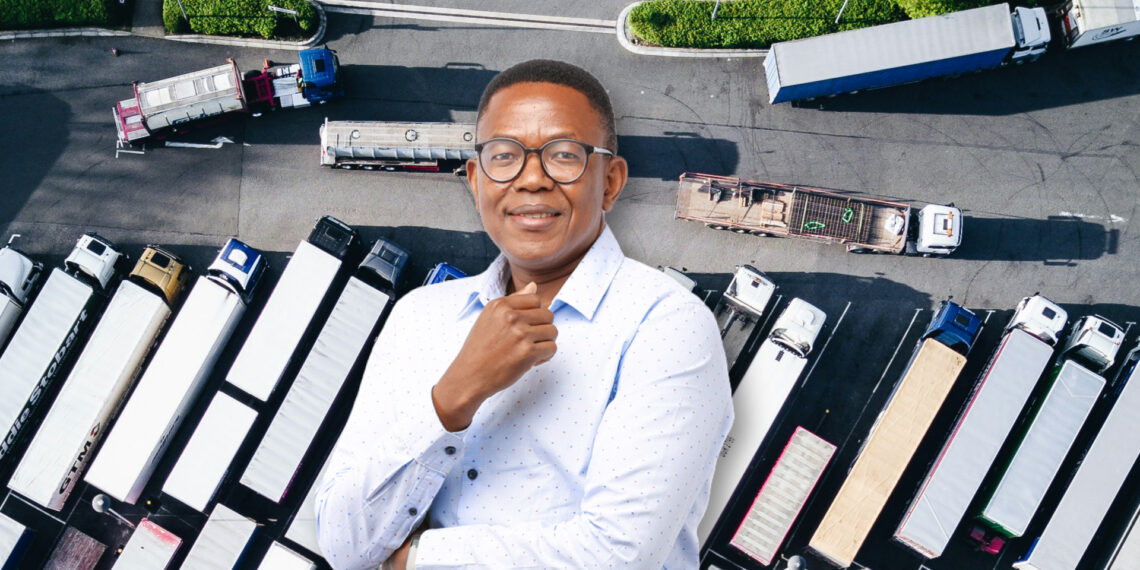
Paul Makube is a senior agricultural economist at FNB Commercial. Photo: Gareth Davies/Food For Mzansi

Paul Makube is a senior agricultural economist at FNB Commercial. Photo: Gareth Davies/Food For Mzansi

Share on FacebookShare on TwitterShare on WhatsApp

South Africa’s agricultural sector is thriving, with 44% of exports currently flowing into African markets. Paul Makube, senior agricultural economist at FNB Commercial, says while the AfCFTA has reduced trade barriers, physical infrastructure remains a critical bottleneck.


South Africa’s agricultural trade performance tells an impressive story. Currently, approximately 44% of this country’s agricultural exports flow into African markets, making the continent our leading destination for agricultural products. The African Continental Free Trade Area (AfCFTA) is designed to amplify this opportunity for all African countries through deepened intra-African trade.

While the need for tariff reductions and trade agreements has been largely addressed through AfCFTA’s signatories, the real transformation will come from investing in the physical infrastructure and technology needed to move products more efficiently across borders.

For example, much of South Africa’s agricultural produce destined for other African markets still travels by sea rather than overland, which highlights the infrastructure challenges and heightened expense still facing those who want to trade with their African neighbours.

That said, improving regional trade isn’t simply about selling more products across borders. It’s fundamentally about building resilience against climate shocks and production volatility that still leave many African nations vulnerable to food insecurity.

When farmers lack access to improved infrastructure, their produce often spoils before reaching markets. When countries can’t reliably produce enough to feed themselves, they become dependent on imports and vulnerable to global price shocks.

📢 Stand Up, Be Seen, Be Counted

We want to provide you with the most valuable, relevant information possible. Please take a few minutes to complete this short, confidential survey about your farming practices and challenges. Your feedback helps us tailor our coverage to better support the future of agriculture across Mzansi.

What is your main commodity farmed?
CAPTCHA image

This helps us prevent spam, thank you.

The inputs imperative

Beyond the need for an improved trade ecosystem, Africa’s agricultural yields remain relatively low, with limited access to fertiliser and seed a significant contributing factor. Building fertiliser production capacity on the continent would reduce dependency on vulnerable global supply chains and improve accessibility for smallholder farmers. It would also create much-needed employment opportunities throughout the agri value chain. 

Access to climate-resilient, disease-tolerant and higher-yielding seed varieties offers another crucial pathway to greater food security. These technologies can help farmers weather increasingly frequent climate threats, but they must be affordable and accompanied by the knowledge to use them effectively.


Related stories
  • AfCFTA: Turning imports into exports in Africa
  • Greylist exit unlocks $60 million for SA agricultural exports
  • Africa demands fairer trade, stronger US partnerships
  • New 10-year strategy sets vision for Africa’s agri future

The value of innovative finance for Africa’s agricultural future

Even if we achieve improved infrastructure and access to better inputs, these advances can only fully take hold if the fundamental financing challenge facing African agriculture is also addressed. This requires rethinking how we assess and share risk. Traditional commercial lending often struggles with agricultural production cycles and the unique risks facing smallholder farmers. 

The answer lies in blended finance mechanisms bringing together development finance institutions and commercial banks to create sustainable, patient capital structures.

These risk-sharing arrangements recognise that supporting agricultural transformation is an investment in food security, economic development, and climate resilience. When farmers access appropriate financing, they can adopt improved technologies and develop consistent production capacity that makes them more attractive to commercial lenders – a virtuous cycle requiring intentional intervention.

This is where the three pillars truly converge. Innovation and improved inputs mean little if farmers can’t afford them. Better yields remain theoretical without financing to invest. And even sophisticated technologies won’t achieve their potential if products can’t reach markets efficiently. The transformation of African agriculture demands coordinated advancement across all three fronts simultaneously.

A global responsibility

Importantly, Africa’s agri transformation isn’t solely an African challenge. Many G20 economies maintain substantial agricultural subsidies while imposing tariffs that make it difficult for African producers to compete in international markets. Lowering these barriers and opening access to developed markets would allow African countries to reinvest trade income in the very technologies and infrastructure needed to boost production and improve food security.

This isn’t about preferential treatment; it’s about fair conditions that recognise developmental needs. When African farmers can compete fairly in global markets, they generate income that flows back into technology adoption, infrastructure development and food security, with benefits extending far beyond individual farms or countries.

Ultimately, while Africa’s agricultural transformation requires coordinated advancement across trade infrastructure, innovative inputs and appropriate financing, the solutions will come at the speed required when the world recognises that the continent’s agricultural potential isn’t just a problem to be solved; it’s an opportunity to be realised. 

The framework to implement this solution is in place, the opportunities are evident, and the imperative has never been more urgent. Now comes the work of implementation, coordination and sustained investment in Africa’s agricultural future.

  • Paul Makube is a senior agricultural economist at FNB Commercial. The views and opinions expressed in this article are those of the author and do not necessarily reflect the views or positions of Food For Mzansi.

READ NEXT: Steenhuisen applauds farmers, workers as heartbeat of the nation

Sign-up for the latest agricultural news delivered straight to your inbox every day with Mzansi Today!

Paul Makube

Tags: AfricaAfrican Continental Free Trade Area (AfCFTA)FNB CommercialHelp me understand

Related Posts

Dr Lucius Phaleng is a trade advisor at the Animal Feed Manufacturers Association (AFMA). Photos: LinkedIn/Gareth Davies/Food For Mzansi

Asia’s appetite fuels new growth for South African citrus

23rd December 2025
Agriculture minister John Steenhuisen has issued a heartfelt year-end message to South Africa’s farming community. Photo: Gareth Davies/Food For Mzansi

Steenhuisen applauds farmers, workers as heartbeat of the nation

19th December 2025

How logistics & packaging industries can cut food waste

KwaNdaba farmer transforms food waste into farm wealth

Farming with nature: The hidden power behind food security

Sweet potential: Raisin crop signals strong industry rebound

Respecting planetary boundaries protects SA food future

KZN smallholder groundnut farmers fight middlemen for fair prices

Workers at Eenzaamheid Wines in Paarl embraced new opportunities through the DONUTS wine programme, where Fairtrade certification has transformed vineyards into spaces of respect, learning, and real influence for farmworkers. Photo: Supplied/Food For Mzansi
Inspiration

Dignity in the vineyards: How DONUTS wine changed SA farms

by Ivor Price
27th December 2025

For decades, farmworkers in the wine industry laboured in silence, unsure of their rights and excluded from decisions that shaped...

Read moreDetails
The South African Weather Service has maintained its previous forecast for a wetter-than-usual late summer for the northeastern parts of the country, a forecast that is now extended into early autumn, while the southwestern parts will remain dry. Photo: Oleg Vo/Pexels

La Niña brings wet weather till autumn, but flood risks loom

27th December 2025
Beefmaster has bursaries opened for the 2026 academic year. Photo: Supplied/Food For Mzansi

Future farmers alert! Apply now for Beefmaster bursary

26th December 2025
Agricultural leaders have reflected on the year 2025 and praised farmers for their vital role in food security. Photo: Gareth Davies/Food For Mzansi

Agri leaders salute farmers’ resilience through a testing 2025

26th December 2025
To quench your thirst this summer, don’t miss the chance to spoil yourself with an iced tea that matches your taste buds. Photos: Freepik

Recipes: Fresh herbs and fruit bring homemade iced tea to life

25th December 2025

Agri-Expo CEO outlines vision for global collaboration

Steenhuisen and BACF unite in outrage over farmer’s killing

Future farmers alert! Apply now for Beefmaster bursary

Blended finance: Closing the gap for Africa’s smallholder farmers

SA’s 2025 harvest: Lessons, leadership and looking ahead

Join Food For Mzansi's WhatsApp channel for the latest updates!

JOIN NOW!
Next Post
Financial literacy: A gateway for farmers who dream big

Level up your agribusiness for a successful new year

THE NEW FACE OF SOUTH AFRICAN AGRICULTURE

With 21 global awards in the first six years of its existence, Food For Mzansi is much more than an agriculture publication. It is a movement, unashamedly saluting the unsung heroes of South African agriculture. We believe in the power of agriculture to promote nation building and social cohesion by telling stories that are often overlooked by broader society.

Level up your agribusiness for a successful new year

Blended finance: Closing the gap for Africa’s smallholder farmers

Top farming highlights: From gourmet goats to digital reform

Steenhuisen and BACF unite in outrage over farmer’s killing

When farmworkers find their voice, work finds its dignity

SA’s 2025 harvest: Lessons, leadership and looking ahead

  • Awards & Global Impact
  • Our Story
  • Contact Us
  • Cookie Policy
  • Privacy Policy
  • Copyright

Contact us
Office: +27 21 879 1824
News: info@foodformzansi.co.za
Advertising: sales@foodformzansi.co.za

Contact us
Office: +27 21 879 1824
News: info@foodformzansi.co.za
Advertising: sales@foodformzansi.co.za

  • Awards & Global Impact
  • Our Story
  • Contact Us
  • Cookie Policy
  • Privacy Policy
  • Copyright
No Result
View All Result
  • News
  • Changemakers
  • Lifestyle
  • Farmer’s Inside Track
  • Food for Thought

Copyright © 2024 Food for Mzansi

This website uses cookies. By continuing to use this website you are giving consent to cookies being used. Visit our Privacy and Cookie Policy.