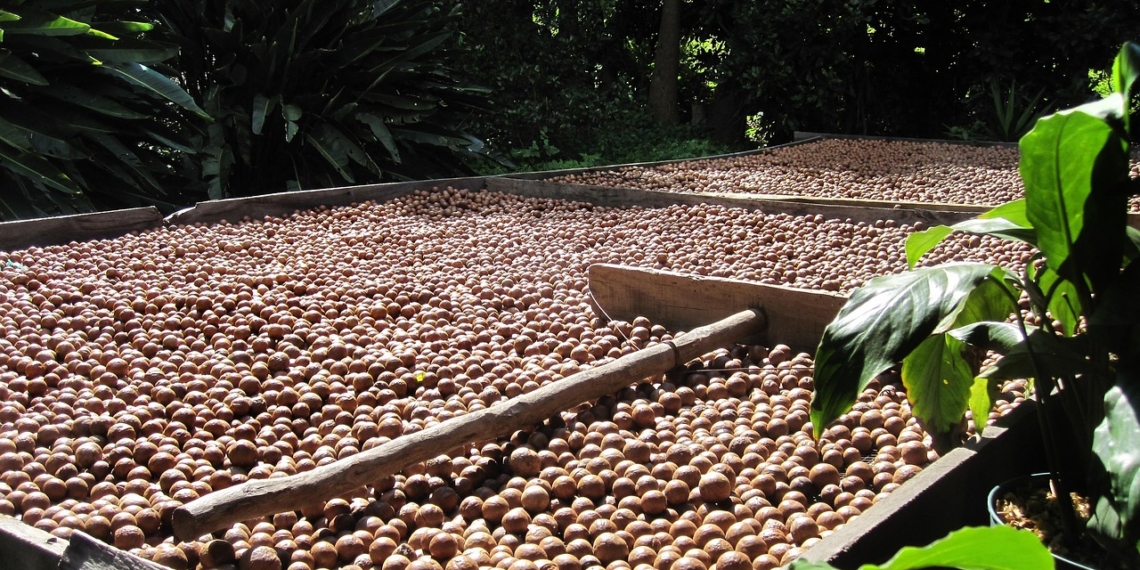
Recent findings from a draft parliamentary oversight report by the Agriculture Portfolio Committee reveal that flagship agricultural projects in the Eastern Cape are collapsing due to systemic state failure. This dysfunction has stalled the development of a flourishing black-owned citrus and macadamia industry.
The collapse has left farmers trapped in a cycle of debt and operational secrecy, rather than achieving the commercial success once envisioned for the province.
The draft report highlighted a “predatory” relationship between government-funded infrastructure and the producers it was built to serve. For instance, in the Sundays River Valley and Ngqushwa areas, emerging citrus growers are being crushed by alleged “high packing fees” and crumbling roads that destroy fruit quality before it even reaches the gate.
Root causes why projects are failing
The most indicting finding involves a total lack of financial transparency. Zwelakhe Mthethwa, a member of the portfolio committee, described a culture of secrecy that leaves farmers powerless over their own harvest.
Related stories
- Eastern Cape citrus study reveals women farmers still left behind
- Farmer Mentor: Macadamia mastermind Likhanya cracks tough agri nut
- Eastern Cape MEC Kontsiwe applauds clean audit and job creation
- Fund helps family co-op grow into Eastern Cape agri success
“The observation is that all the pack-houses are operating in secrecy from those whom they are receiving stock from. The internal happenings are not known to the farmers,” he said.
According to the report and committee deliberations, this failure is not accidental. The committee identified four critical killers of agricultural success:
- Late funding and cash flow: The Ncera Macadamia project, which received approximately R195.7 million in state funds, blamed its collapse on delayed government funding, leading to labour unrest and salary non-payment.
- Infrastructure vandalism: In the wake of labour disputes caused by the state’s financial delays, vital infrastructure was torched or stolen, effectively ending production.
- Title deed paralysis: The draft report noted that some farmers have been waiting for title deeds since 1988, a 30-year wait that leaves them “unbankable” and unable to secure private loans to bridge gaps left by slow government disbursements.
- Mismanaged partnerships: The report highlights “strategic partnerships” that do not impart skills but instead leave emerging farmers indebted and worse off once government funding dries up.
Laetitia Arries, another committee member, pushed for deeper accountability regarding the millions spent on Ncera.
“We have never seen financials of this project, and we actually need to get a forensic financial audit. We need to see on the financials how that money was really spent because it’s money that national was giving,” she said.
The road ahead: A multi-departmental rescue plan
To turn the tide, the chairperson of the committee, Dina Pule, and the committee have called for a coordinated intervention. The recommendations in the draft report demand that the minister of agriculture provide a full account of the funds invested in Ncera and ensure the implementation of the September 2025 Due Diligence Report.
“The rescue plan also requires the minister to develop an action plan to address market access, the poor condition of rural roads, and inadequate insurance for farmers.
“This includes working with the minister of land reform and rural development to investigate and review the forced mentorships and strategic partnerships on PLAS farms that reportedly leave emerging farmers indebted and worse off,” Pule said.
READ NEXT: Three years on: Is the master plan delivering for farmers?