Eskom’s electricity prices are climbing higher than ever, and with a potential 38% increase coming next year, Mzansi farmers are feeling the heat.
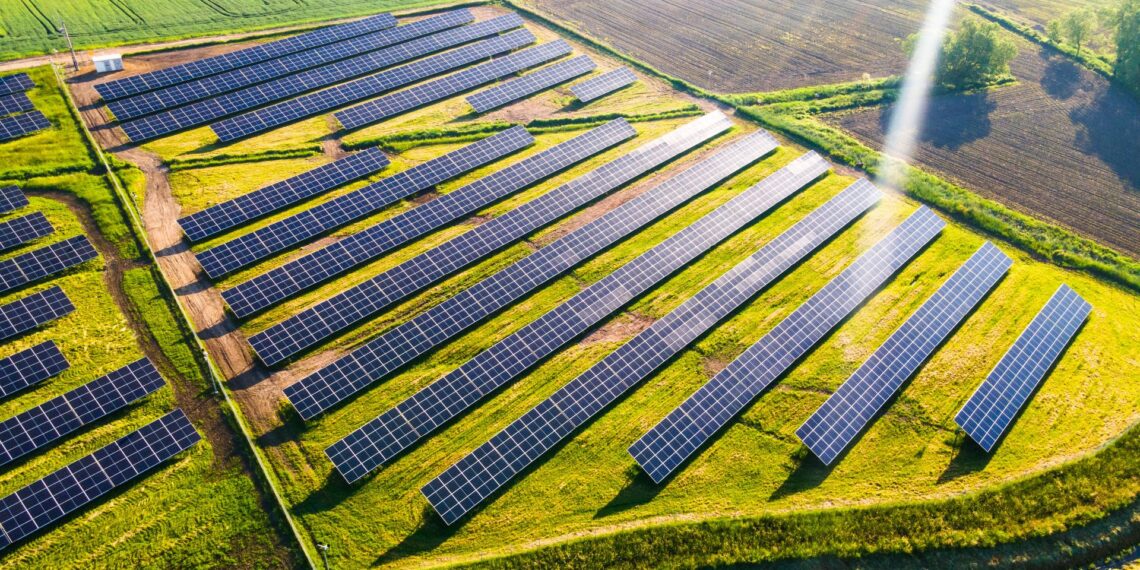
The current Ruralflex tariff, one of the most expensive in the country, is making energy costs nearly unbearable for the agriculture sector. But there’s a bright spot: solar energy. With solar, farmers could save up to 54%, keeping their operations sustainable and their wallets a little happier.
Ross Simmonds, managing director of Afgri Financial Solutions, says more farmers are considering it to combat rising energy costs.
“With energy costs rising rapidly, we are seeing a significant move by farmers to roll out solar to alleviate increasing financial pressures, and we anticipate this shift to grow in 2025 as further tariffs come into play,” he explains.
Electricity is essential to modern farming – powering everything from irrigation systems to cooling equipment. Solar is emerging as a more affordable and sustainable option, especially with lower prices on technology and new financing options that allow farmers to stabilise energy costs for the long haul.

Solar power vs. Eskom’s tariff for farmers
This year, Eskom’s high-season Ruralflex tariff is R2.69 per unit, but options from Jaltech, one of the biggest solar funders, offer rates of around R1.60 per unit. That’s a 41% savings for farmers who go solar – excluding Eskom’s fixed costs and assuming no batteries are needed.
Looking ahead, the savings could get even bigger. If Eskom’s proposed 38% increase is approved by the National Energy Regulator of South Africa (Nersa), next year’s high-season Ruralflex rate would hit R3,71 per unit, while solar would be around R1,71. This means farmers could see savings jump to as much as 54%.
“If Eskom’s proposed 38% tariff increase is approved by Nersa, electricity costs for farmers could skyrocket, making operations even more expensive,” says Jonty Sacks, a partner at Jaltech. By contrast, solar offers price stability, with smaller, predictable increases – even with a 7% solar increase, the savings remain high.
READ NEXT: Young farm manager makes big impact with social media
Sign up for Mzansi Today: Your daily take on the news and happenings from the agriculture value chain.