Pursuing a career in agriculture is not a choice that many young people make, yet there are many opportunities for meaningful economic engagement, writes Najwah Allie-Edries, head of the programme management office of the South African National Treasury’s R9-billion Jobs Fund.
Youth could be involved in a range of activities in the agriculture sector, including research and development, agro-processing, logistics management, as entrepreneurs and as farmers, to mention but a few. They bring with them a tech-savvy that can have a wide-ranging positive impact and systemic change for the sector.

Although agriculture recorded the worst growth rate (-13,6%) in the third quarter of 2021, contributing -0.4% to GDP growth, it has been one of the best performing sectors during the pandemic.
Industry experts agree that the sector will rebound and result in a strong annual performance above 7%. This is mainly due to increased production of field crops, horticulture, higher agriculture commodity prices and relatively better production conditions within the livestock subsector.
Over the past two decades, according to data from Trade Map, South Africa’s agricultural and food trade surplus averaged US$2,0 billion. Industry experts have credited these gains to the increase in area under production (primarily fruits and soybeans) and improved productivity, further boosted by the adoption of better farming technologies and techniques.
The agriculture sector looks to be a critical contributor to the country’s post-Covid-19 economic recovery. Young people, women and persons with disabilities are being supported to form agriculture and agro-processing cooperatives, and they have also been prioritised in terms of access to funding.
Unfortunately, decades of structural inequality, amongst other things, have contributed to the relatively low participation of youth in the agriculture sector.
Removing structural limitations
Youth constitute more than a third of the country’s population but are among the most marginalised citizens. More than half of the work-able youth are unemployed, and about 33.5% of the youth population are young people who are not in education, employment or training (NEET).
Despite numerous calls for young people to participate in the agricultural sector, the average age of a farmer in South Africa is 62. In countries that lead in food production, such as the USA, the average age is below 55.
Some of the constraints prospective young farmers face, include lack of access to land, funding, technology, technical training and internships. It is also worth noting that the bulk of the country’s agricultural output is produced by a small fraction of its commercial farmers, making the sector one of the designated sectors for amendments to the Competition Act.
For the agriculture sector to fully meet its potential, a holistic approach to removing the barriers to entry must be adopted, and the level of awareness amongst young people about the varied and numerous opportunities must be raised.
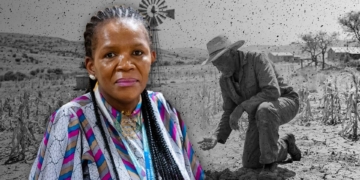
Najwah Allie-Edries, Jobs Fund
Young people are more inclined to experiment with new methodologies and are naturally attracted to enabling technology; their curiosity should be harnessed to pathway more young people into the sector.
The Jobs Fund and its partners recognised the importance of mobilising youth employment in agriculture. The interventions actively stimulate interest in agriculture through technology and new project models that promote youth participation. Many Jobs Fund partners have begun to tackle these challenges.
Traditional farming is geographically remote and can be land, capital, resource and labour intensive; it is also often unsustainable. This method has been criticised for reducing soil quality quicker and increasing water pollution due to synthetic fertilisers. It is thus imperative that we invest and promote alternative farming methods.
Urban agriculture is increasingly being recognised as a viable alternative. It can play a significant role in providing healthy, affordable and accessible food to poor urban households in South Africa and mitigate the environmental challenges faced by cities whilst opening up opportunities for the cities’ youth.
‘Wouldn’t It Be Cool’ urban farming initiative
The R100 650 000 Urban Agriculture Initiative is a Jobs Fund supported project, implemented by an agri-enterprise incubator called Wouldn’t It Be Cool (WiBC) (Pty) Ltd.
WiBC aims to demonstrate the economic opportunity available to young people in pursuing a career in urban horticulture. The project addresses unemployment among urban youth and women by providing them with opportunities to start and run urban farms and agro-processing businesses. While the uncertainty around land reform persists, the initiative has found a way of giving young people an opportunity to participate in primary production.

The project provides access to 300m2 agricultural plots, hydroponic infrastructure, technical training, funding and produce offtake to previously disadvantaged individuals. The initiative has rolled out rooftop hydroponic farms in the Johannesburg inner city and on previously unutilised land in peri-urban parts of Taung in the North West province.
Hydroponic farming is a relatively new approach to growing plants. It has gained significant popularity for its higher yields and quality while addressing consumer and producer concerns about the environment and resource efficiency. The project also leverages technology through its Hola Harvest brand, which enables farmers to sell their produce through a smartphone application.
While farmers currently supply fresh produce such as lettuce, herbs, hops and lime fruit to restaurants, hotels, Johannesburg Fresh Produce Market, Botha Roodt and Food Lovers market, it is anticipated that the online application will significantly increase sales.
In addition to space offered by FNB and the Chamber of Mines, the Johannesburg Land Company, which owns and manages 160 000 square metres of prime commercial space in the heart of the Johannesburg central business district (CBD), has committed three building rooftops. In addition, Jozi Housing will also provide rooftop space at three large buildings in the CBD.
WiBC aims to train and develop 191 urban agri-businesses and create 305 new permanent and 448 seasonal jobs. The average beneficiary on the programme is younger than 35, significantly lower than the estimated farmer average for South Africa of 62.
Sernick Group partnerships
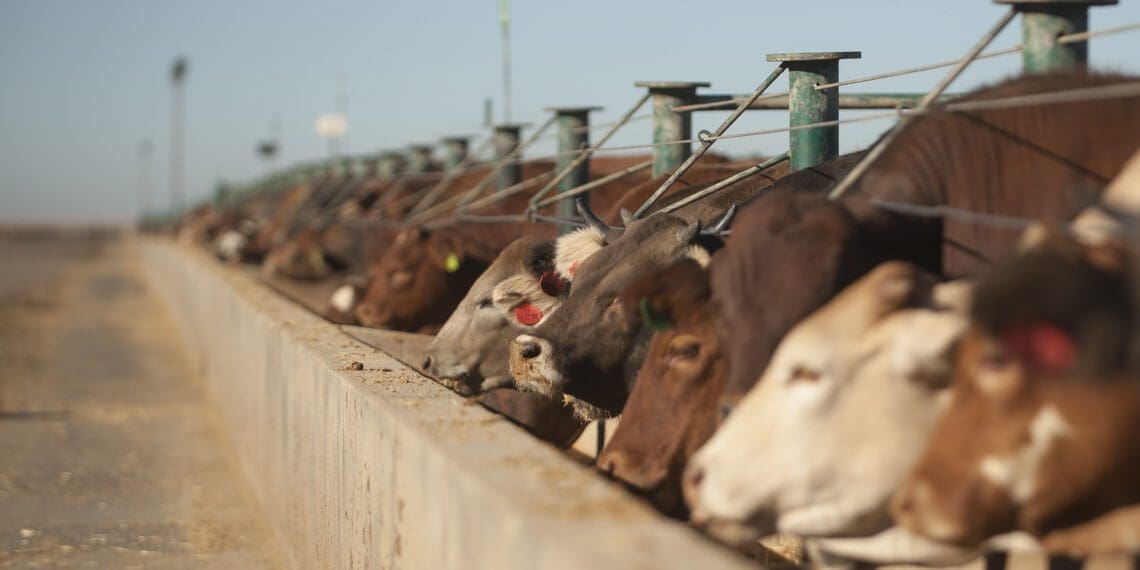
The Sernick Emerging Farmers Programme is another Jobs Fund partner that has recognised the importance of integrating youth into the agriculture sector. The programme creates sustainable farming enterprises connected to the upstream and downstream beef value chain. Sernick does this by capacitating emerging farmers with both SETA accredited and on-the-farm training and providing the farmers with cattle stock, infrastructure and supply opportunities through Sernick’s established value chain.
Through a partnership with the Future Farmers Foundation, suitable candidates are placed on farms in Australia, New Zealand and the USA for a year. The aim is to gain an international perspective and receive training on the latest farming techniques and technology before returning to South Africa. Upon their return, the young farmers are placed in South African farms across different agricultural sectors, including dairy, beef and various crops, to develop farming skills and expertise.
Through the Sernick Group’s research and development division, 40 Future Farmers programme participants are now helping to roll out drone technology on Sernick’s farms and the farms of the 660 beneficiaries of the Sernick Emerging Farmer’s Programme.
The young farmers are using drone technology in cattle detection/ movement, weight management, pasture management and minimisation of livestock theft. Remote monitoring of cattle and pasture saves farmers time and money and optimises human and natural resources.
There is no silver bullet to address the numerous challenges faced by South Africa’s unemployed young people; however we recognise that innovation, collaboration and a systems approach are crucial elements to unlocking the much-needed solutions to pathway youth into agriculture. This will likely result in more innovation in the sector and promote progressive and sustainable farming techniques that can support food security and build a competitive advantage in the global market.
ALSO READ: Sernick announces more opportunities for young farmers
Sign up for Farmer’s Inside Track: Join our exclusive platform for new entrants into farming and agri-business, with newsletters and podcasts.