Economic development and reviving rural communities were at the centre of Livestock Wealth’s purchase of a citrus farm in Tshipise village in Musina, Limpopo.
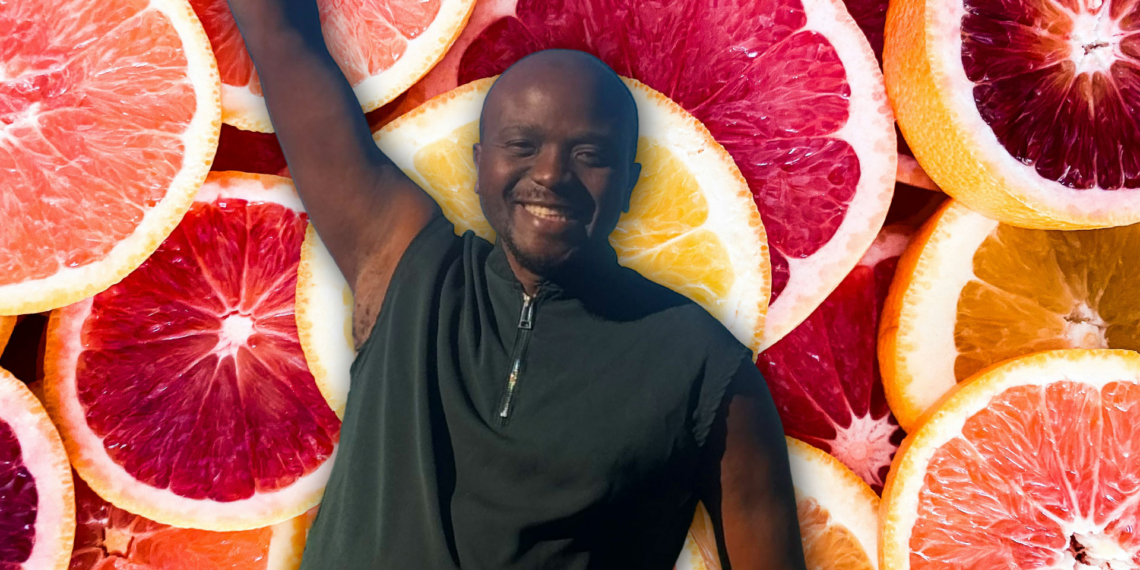
Food For Mzansi spoke to the chief executive officer of Livestock Wealth, Nthuthuko Shezi, about how the organisation used crowdfunding to purchase the farm. With over 700 people contributing to the purchase, the farm is now fully operational and increasing its planting plan for the next seasons.
Shezi shared the vision he and other funders had for the farm and how to make it sustainable and successful.
Tiisetso Manoko: What inspired you to acquire a commercial citrus farm in Tshipise, Musina?
Nthuthuko Shezi: I have always done livestock and crops, and now getting into citrus commodity was a leap of faith. I did not know anything that was happening in the citrus world. And once I was inside I asked myself why did I not start here.
But the aim was really to make a difference in communities which have a high potential to flourish in the agricultural space, so that is why we took the decision to do this investment.
What were some of the biggest challenges you faced in purchasing the farm and rebuilding it?
I think the first biggest challenge was securing the skills to be able to run the farm profitably. So we battled for about four months with finding the perfect person. And after the hustle we got Themba Ngwenya, who is a farmer in his own right, and he runs the farm with so much care and love.
Purchasing such a big farm without having a capable person to operate it, is like throwing money away. So we had to go all out in getting the right fit and ensure that the farm is in good hands. And through him, he has taken the farm to greater heights. When we got there things were upside down, the trees had not been fertilised in two years, staff had been retrenched and many other things were not going accordingly.
So we had to build from scratch – from people to infrastructure – then look for markets. It was so hard also because the farm had not been in business for a long time. This is our third season now and it has been the best one. In year one, 2024, we did not export; it was trial and error. Year two, I think things started came together and we sent our first shipment of 74 000 cartons. This year was our first proper season with 109 500 cartons.
Related stories
- SA, India agree on new citrus protocols after decade-long talks
- Why citrus deserves special treatment in US-SA tariff talks
- Floods, global conflict force lower SA citrus export estimates
- Citrus farmers count losses as floods drown export hopes
How has the support been like from the industry and government?
For two years, 2025-2026, we had support. The government gave us 60 people [as part of the] extended public works programme to come and work on the farm, through the provincial government. So the programme included us teaching them about farming and things like sanitation and keeping the orchard clean.
And the Citrus Growers Association gave us a grant of R1.2 million in trenches – half in 2025 and another half this year. The grant was used for us to be able to get those operational inputs and ensure that the farm operates effectively which has really helped us a lot.
What are your key markets and is local one of your big areas you looking at?
We are mostly export orientated and the local market is very limited from a citrus point of view. We are in the January lemon window. We start harvesting in January when everyone starts in March so that gives us a big advantage. So we reach Europe and other markets eight weeks before everyone.
This will help us grow our employment figures. We are currently sitting at 34 full-time people but during peak seasons we have seasonal workers.
What is the plan for the next season in terms of expansion?
So for next season we are already busy we are planting another 15 hectares of two peach lemons, which should come fully ready to be harvested in three years’ time. But next season, taken from the improvements we did this year, we are looking at 140 000 cartons. We have also improved our packhouse and the value chain needed.
So we are looking at the bigger picture and we are confident that with the right yields and better quality fruits we will be able to sustain our markets.
READ NEXT:Promising early conditions predicted for 2027 SA wine harvest