The prolonged conflict in the Middle East, alongside El Niño and its likely impact on producer costs and output, could further weaken domestic growth, finance minister Enoch Godongwana said today.
Godongwana presented his medium-term budget in parliament, Cape Town, emphasising that his department was on course to healthier public finances.
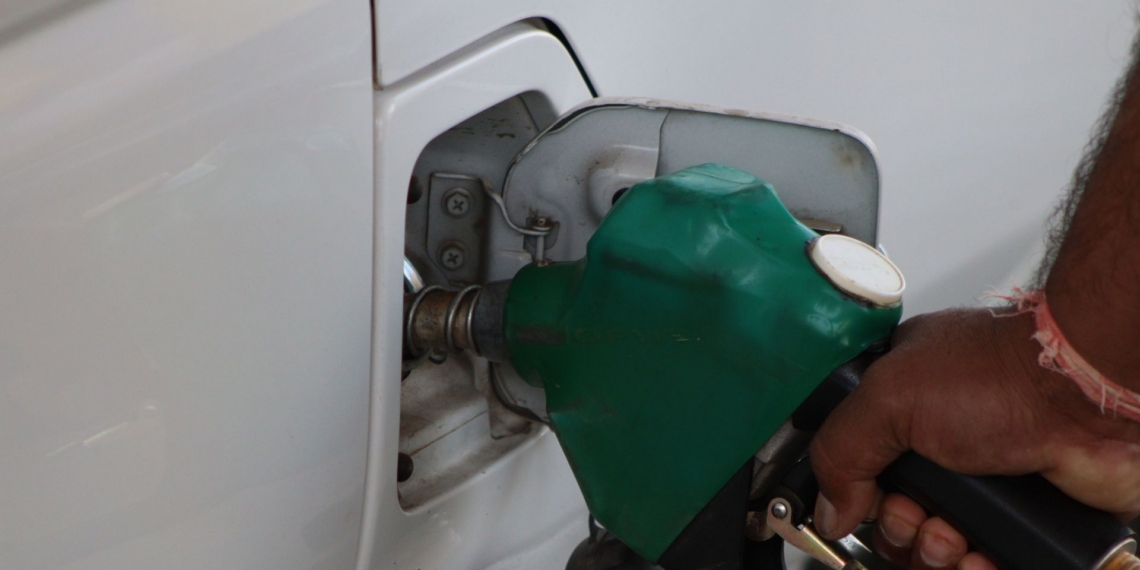
The minister said the fuel levy would be reduced by R3 per litre for diesel and R1.50 per litre for petrol from 4 November to 1 December 2026 to provide temporary relief.
Temporary fuel relief to ease cost of living
“Thereafter, the relief will continue at a lower amount until 5 January 2027. The diesel levy will be reduced by R1.50 per litre and the petrol levy by R1 per litre. These measures will provide R10 billion in support, at a fiscal cost of R10 billion in foregone revenue.
“To fund this relief, the R10 billion that was transferred to the Central Energy Fund will be returned to the National Revenue Fund and put into the Contingency Reserve. This intervention will help ease cost of living pressures without compromising the sustainability of the budget,” he explained.
The minister said the Middle East conflict led to the closing of the Strait of Hormuz, a vital corridor connecting oil suppliers to the world. “The interruptions to global oil supply have caused prices to rise sharply, particularly food and energy prices.”
Related stories
- Ramaphosa pledges 28m FMD vaccines, 10 000 extension officers
- Good weather & more extension officers top farmers’ 2026 wishlist
- Godongwana increases VAT as state’s pockets run dry
- Land Bank must step up support for farmers, says Aucamp
Response to El Niño and investing in extension officers
Godongwana further announced the allocation of the contingency reserve increases to R10 billion to respond to the potential threats associated with the El Niño and other risks.
“In the budget we had in February we had R5 billion, it has exhausted, so we are worried about the El Niño impact, that is why we have put an amount of R10 billion to deal with the impact of this El Niño in December and January,” he said.
Meanwhile, following President Cyril Ramaphosa announcement in 2025 State of the Nation Address (Sona) of hiring 10 000 extension officers, Godongwana said there will be an additional R1.5 billion over the next three years for additional extension officers in the agricultural sector where they will continue to provide crucial support to farming communities.
Fixing infrastructure and water supply
Addressing the ageing infrastructure especially in the water sector, Godongwana said poorly maintained infrastructure, high water losses and weak municipal capacity have undermined service delivery.
“Too many households and businesses still face unreliable water supply. Government’s response through the National Water Action Plan focuses not only on infrastructure, but on fixing institutions responsible for delivering water services.
“The priority is to restore operational performance, strengthen governance and technical capacity, reduce water losses, improve revenue collection and reform the way water infrastructure is financed.”
Gondongwana emphasised that by addressing both infrastructure and institutional weaknesses, the government is laying the foundation for reliable water services and stronger local economies.
“Infrastructure is a catalyst for economic growth. It remains at the centre of government’s reform agenda. Every rand invested must deliver greater economic returns, attract private investment and improve the quality of life of South Africans,” he said.
READ NEXT: Patensie claims Agri’s Got Talent crown for second year running