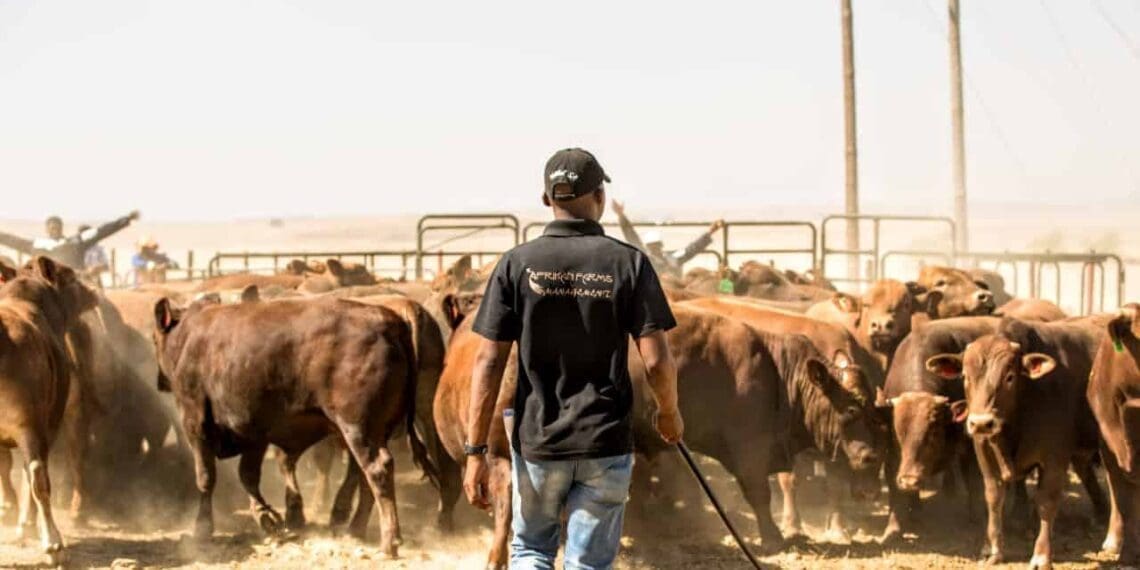
Stamping feet, raucous bellowing, low groans, and jutting horns might seem like signs of an irritated bull, but surprisingly, this is not the case. For livestock owners in several rural areas of Mzansi, these behaviours are rather indicative of an excited bull responding to the enthusiastic praises of its trusted herdsman.
The unique bond between bulls and herdsmen is a common phenomenon, shares Khaya Sibiya from eDumbe, in KwaZulu-Natal.
Sibiya, an experienced herdsman himself, understands the depth of this relationship. “A bull recognises its herdsman,” he asserts.
“More often than not, when a herder takes the cattle out for grazing, the cattle recognise the person who typically leads them. They heed his or her admonishments and are accustomed to his voice. Even if there’s a particularly troublesome cow in the herd, it will acknowledge the rebuke, recognising the tone of the voice,” Sibiya elaborates.
Building a bond
It’s customary for herdsmen to nurture their calves with tenderness, love, and care. Occasionally, they even address the bull by a clan name to establish a stronger bond.
Sibiya explains that the bull, having grown up with this treatment, comprehends the words used by the herdsman.
This communication helps the bull to understand when the herdsman is encouraging it to perform a task. The bull’s reaction may involve loud groans, screams, vigorous stomping of hooves, and even the sporadic fiery snort.
However, such behaviour should not be misconstrued as the bull being annoyed or furious. On the contrary, it signals the bull’s excitement and preparedness for battle, Sibiya imparts.
“It’s a frequent occurrence that when young herdsmen congregate, they are stirred to compete.
“Each herdsman confidently believes that he possesses a bull stronger than the others. As he recites the praise names, the bull becomes increasingly animated and self-assured, convinced that it cannot be vanquished by another bull,” Sibiya recounts. “When you start lauding it, the bull understands that it must brace itself for battle.”
ALSO READ: So, what exactly makes Ankole so special?

Bull-praising in Eastern Cape
Meanwhile, in Tsolo, Eastern Cape, herdsman Mawethu Noholoza confirms that this custom is widespread among Xhosa herdsmen too. Mirroring Zulu herdsmen, these herders also engage bulls in competition for territorial rights and as a form of amusement. Noholoza, a passionate enthusiast of tradition and heritage, explains further.
“The motivation for these cow fights is that young boys vie for territory, either through stick fighting or by using their bulls.
“In essence, it’s the herdsmen contending with each other, demonstrating their dominance and prowess through their bulls.
“When it comes to the tradition of praising the cow, in Xhosa we refer to it as Ukutyibela. This practice involves entertaining, enticing, and invigorating a cow with words,” Noholoza shares.
In the act of lauding a cow, the herdsman will typically employ descriptors that highlight what they admire about the cow.
ALSO READ: This farmer learned a tough lesson in cattle nutrition
King of the bulls
KwaZulu-Natal cattle farmer, Vukile Mlotshwa, asserts that this is a practice aimed at taming the cattle. Over time, the cattle come to heed and obey exclusively the herdsman.
“Sotho herdsmen, renowned as some of the best in South Africa, excel at cow taming. In rural communities, the cow is often viewed as a spiritual animal. These herdsmen, gifted in their understanding of these animals, have honed their skills through many years of dedicated cattle herding.”
ALSO READ: Women’s Day: Join us at our Soul To Soil brunch
Enjoyed reading? Tell us why with a quick 5-min survey
Sign up for Mzansi Today: Your daily take on the news and happenings from the agriculture value chain.