Wednesday, December 10, 2025
SUBSCRIBE
21 GLOBAL MEDIA AWARDS
Food For Mzansi
  • News
  • Changemakers
  • Lifestyle
  • Farmer’s Inside Track
  • Food for Thought
No Result
View All Result
  • News
  • Changemakers
  • Lifestyle
  • Farmer’s Inside Track
  • Food for Thought
No Result
View All Result
Food For Mzansi
No Result
View All Result
in Farmer's Inside Track

Marketing tips for poultry agribusinesses

A farmer and agribusiness management specialist shares practical insights on marketing strategies, pricing, branding, and financial management for poultry farmers

by Patricia Tembo
11th March 2025
Poultry farming

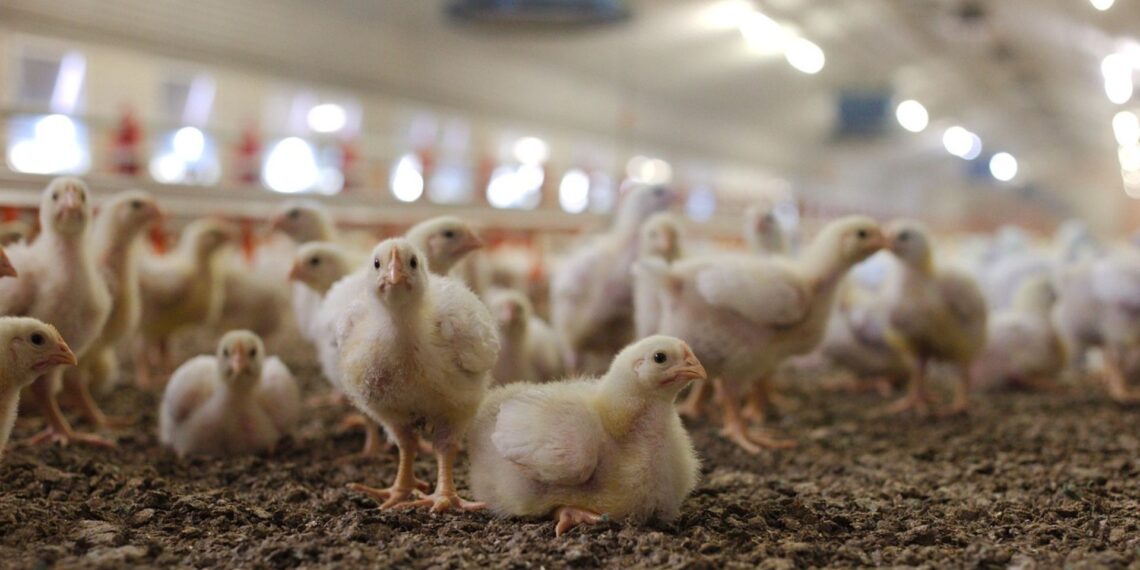
Daybreak Foods’ rescue plan wins 99.98% creditor approval and R150m PIC backing, securing jobs and reviving operations in South Africa’s poultry industry. Photo: Pixabay

Share on FacebookShare on TwitterShare on WhatsApp

Agricultural marketing is a critical component for the success of any farming business, and poultry farming is no exception. Whether targeting informal markets or scaling into formal supply chains, having a well-structured marketing approach can significantly impact profitability.

Poultry farmer and agribusiness management specialist, Kamogelo Thobejane, runs a thriving poultry business in Limpopo. Leveraging his degree in agricultural management and marketing expertise, he shares practical insights on marketing strategies, pricing, branding, and financial management.

Marketing plays a crucial role in increasing sales and brand awareness, Thobejane emphasises. It helps farmers establish credibility, build trust, and stay competitive in a changing industry. One of the most effective marketing tools is customer satisfaction, as it naturally promotes the business through word-of-mouth.

“One thing I’ve learned is that having happy customers is a good marketing strategy.”

Kamogelo Thobejane

Identifying the right poultry market

Identifying suitable markets is critical for sustainable business growth. Farmers should consider factors such as demand, pricing structures, and customer preferences.

Poultry farmers have the following options:

  • Selling live birds (for home slaughter or rituals)
  • Supplying processed chickens (whole, portioned, or frozen)
  • Trading in value-added products (such as eggs or marinated poultry)

Thobejane explains that farmers often navigate both formal and informal markets, each requiring different approaches.

“Pricing strategy varies. Formal markets buy in bulk, sometimes more than 10 000 chickens at a time. Informal buyers purchase smaller quantities, often one to ten at a time. Your pricing needs to work for both markets.”

Poultry farmers should determine the market that is most suitable for their business, which could either be selling live birds, processed birds, or value-added products. Photo: Wikimedia Commons

Formal markets such as supermarkets, restaurants, and wholesalers offer bulk sales opportunities, often at stable prices. However, these markets may require strict quality standards and certifications. Informal markets, including direct sales to individual customers and local vendors, offer flexibility and direct engagement but may require more effort in marketing and distribution.

Setting the right price for poultry products ensures profitability while staying competitive. Pricing should be based on production costs, market trends, and customer preferences.

“I differentiate my products. I sell chickens with and without insides, live chickens, and those at different growth stages. Formal markets usually buy chickens at four weeks, which costs the farmer less than six- or eight-week-old chickens,” says Thobejane.

Offering different poultry products at various price points allows farmers to cater to diverse customer needs and maximise revenue.


Related stories
  • A practical guide to temperature management in poultry housing
  • Kwakwa cracks the egg market and builds a growing poultry empire


Building a strong brand

Branding is vital for poultry farmers who want to stand out. A strong brand helps attract customers, business partners, and suppliers.

A well-branded poultry business with clear packaging, a professional logo, and consistent messaging helps build trust and long-term customer loyalty.

“Branding increases recognition. When you brand your product, people remember you,” Thobejane says.

Social media is a powerful tool for poultry farmers to market their business and cement their brand with minimal costs. Platforms like Facebook, Instagram, and TikTok allow farmers to showcase their poultry products, engage with customers, and increase sales.

“In this generation, we rely on social media. The more you post about your products, the more customers you attract. Some will share your posts, others will message you for orders,” he says.

Managing payments and finances

Financial management is crucial for the sustainability of a poultry business. One of the biggest challenges and mistakes made in informal markets is credit sales, which can disrupt cash flow.

“In informal markets, do not allow credit. Credit can result in delayed payments or non-payment. My policy is simple: you pay, you get your chickens,” Thobejane advises.

Another financial aspect farmers should avoid is mixing personal and business finances. Opening a dedicated business account and maintaining clear financial records are essential steps for long-term success in poultry farming. To maintain financial stability, poultry farmers should implement strict payment policies, separate business and personal finances, and keep detailed records of sales and expenses.

Staying updated on poultry market trends

Market trends and consumer preferences change over time, and staying informed helps poultry farmers make better business decisions. “To stay competitive, I engage with other farmers, attend events, and follow agricultural news on radio and TV,” Thobejane says.

Joining farmer associations, participating in agricultural events, and staying active in online farming communities can provide valuable market insights, he advises.

READ NEXT: A practical guide to temperature management in poultry housing

Sign up for Mzansi Today: Your daily take on the news and happenings from the agriculture value chain.
Patricia Tembo

Patricia Tembo is motivated by her passion for sustainable agriculture. Registered with the South African Council for Natural Scientific Professions (SACNASP), she uses her academic background in agriculture to provide credibility and technical depth to her journalism. When not in immersed in the world of agriculture, she is engaged in outdoor activities and her creative pursuits.

Tags: Commercialising farmerMarketingPoultry farmingTeach me

Related Posts

Seed technology is revolutionising SA agriculture. Yields are up tenfold in a century, thanks to innovations like mechanisation, hybrids, and precision agriculture. Photo: Pexels

Seed technology: How innovation drives higher yields & success

9th December 2025
South African farmers are being urged to use science-based planetary boundary tools to better understand their land, water, biodiversity and emissions limits and strengthen sustainable farming in line with PDALA. Photo: Pexels

Farming within limits: Understanding planetary boundaries

2nd December 2025

Masogas’ backyard garden booms into 140-ha crop blueprint

Value-added farming: Build a high-profit, sustainable business

Maintaining organic matter: Key steps to boost soil health

Maize farmer Matsole builds empire on education and hard work

Mastering poultry feed: Tips to maximise efficiency

JW believes in back to basics while building a legacy

From Kenya to South Sudan, pastoralists are using digital tools, traditional knowledge and local cooperation to manage scarce resources and strengthen resilience. Photo: Ansar Photography/Pexels
Climate Change

How pastoralists are redefining survival in Africa’s drylands

by Claire Bedelian and Guy Jobbins
7th December 2025

About 60% of Africa is dryland, home to half a billion people. However, pastoralists and farmers are using innovation, mobility,...

Read moreDetails
Dr Ndeke Musee

Farming with nature: The hidden power behind food security

6th December 2025
Screenshot

After the field: Safe practices when the day is done

6th December 2025
The new Plant Improvement Act mandates stricter quality standards and a national listing for plant varieties. This protects farmers by ensuring the seeds and propagating material they buy are up to scratch. Photo: Supplied/Food For Mzansi

New Plant Improvement Act to boost SA crop quality

6th December 2025
Nkosinathi Baloyi, chartered cccountant and chief financial officer of Joburg Market, Africa’s largest fresh produce hub. Photo: Supplied/Food For Mzansi

Joburg Market shines with three consecutive clean audits

5th December 2025

Drone spraying cuts costs, boosts yields for KZN sugarcane co-op

New Plant Improvement Act to boost SA crop quality

Joburg Market shines with three consecutive clean audits

New RMIS research targets FMD, stock theft & market growth

Nanny Nelia bakes up success with Yaya’s Rusks

Join Food For Mzansi's WhatsApp channel for the latest updates!

JOIN NOW!
Next Post
MEC Nakedi Kekana (wearing green cap) with the Zebediela Citrus farm Estate during the visit to revive the CPA. Photo: Limpopo department of agriculture.

New plan to restore Limpopo’s once iconic Zebediela Citrus Farm

THE NEW FACE OF SOUTH AFRICAN AGRICULTURE

With 21 global awards in the first six years of its existence, Food For Mzansi is much more than an agriculture publication. It is a movement, unashamedly saluting the unsung heroes of South African agriculture. We believe in the power of agriculture to promote nation building and social cohesion by telling stories that are often overlooked by broader society.

Seed technology: How innovation drives higher yields & success

Ethical partnerships drive change in South Africa’s wine industry

KwaNdaba farmer transforms food waste into farm wealth

Farmers and financiers unite to grow EC agribusiness

Drone spraying cuts costs, boosts yields for KZN sugarcane co-op

Trash to triumph: Sukazi transforms wasteland into farmland

  • Awards & Global Impact
  • Our Story
  • Contact Us
  • Cookie Policy
  • Privacy Policy
  • Copyright

Contact us
Office: +27 21 879 1824
News: info@foodformzansi.co.za
Advertising: sales@foodformzansi.co.za

Contact us
Office: +27 21 879 1824
News: info@foodformzansi.co.za
Advertising: sales@foodformzansi.co.za

  • Awards & Global Impact
  • Our Story
  • Contact Us
  • Cookie Policy
  • Privacy Policy
  • Copyright
No Result
View All Result
  • News
  • Changemakers
  • Lifestyle
  • Farmer’s Inside Track
  • Food for Thought

Copyright © 2024 Food for Mzansi

This website uses cookies. By continuing to use this website you are giving consent to cookies being used. Visit our Privacy and Cookie Policy.