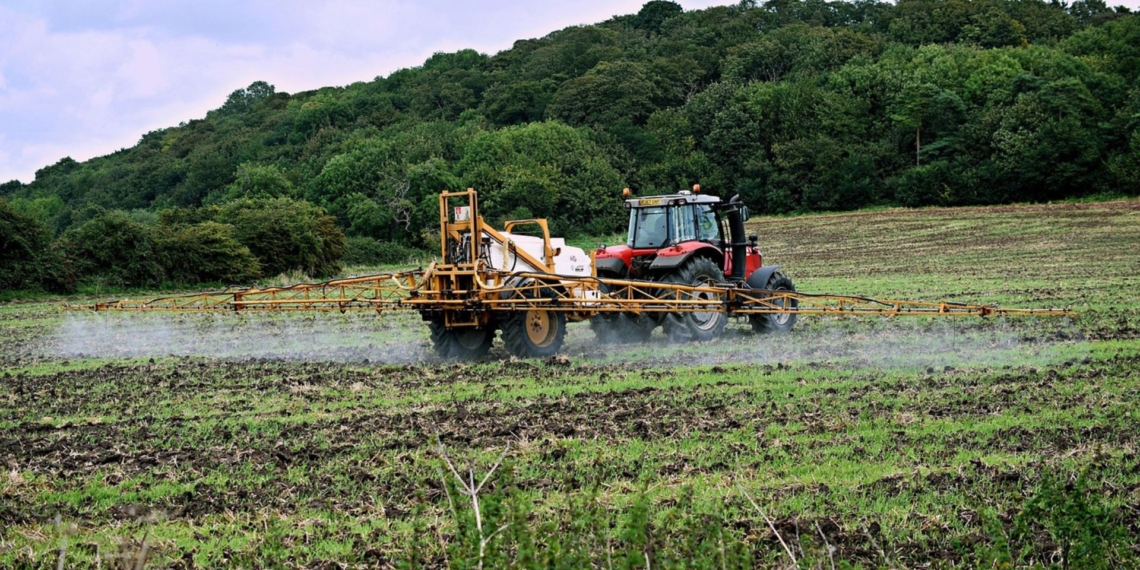
A surge in global oil prices may soon hit South Africans where it hurts most at the fuel pump and the food aisle. Experts warn that rising geopolitical tensions are already pushing up the prices of critical farming inputs such as diesel and fertiliser, creating a mounting cost squeeze for farmers.
Exporters could also feel the strain as higher production and transport costs erode competitiveness. Yet the biggest impact may land on consumers, as escalating fuel and farming expenses filter through the supply chain, raising the risk of more expensive food in the months ahead.
From powering farm machinery to transporting crops and inputs, fuel plays a central role in agricultural production and the broader food supply chain.
Fuel to the fire
According to Gavin Kelly, CEO of the Road Freight Association (RFA), the latest fuel price increase is linked to developments in global energy markets and the entire food value chain in the country would likely feel the pinch in the coming weeks.
“The increase in fuel prices in March 2026 is a direct result of upward pressure on the international oil price due to supply and logistics risks following the start of hostilities between Iran, the United States and Israel,” Kelly said.
The RFA noted that diesel prices are expected to rise by between 60 and 65 cents per litre, which could bring up the diesel costs, immediately affecting transport costs. According to recent reports and data by the Central Energy Fund (CEF), diesel under‑recovery could reach R7 per litre, but the actual consumer price increase is expected to be around R4 to R5 per litre if current conditions persist.
“Diesel is the primary fuel source for most medium and heavy commercial transporters, so this will place an immediate cost burden on daily operations,” Kelly explained.
Related stories
- Middle East conflict: SA farmers brace for impact on agri exports
- South Africa eyes bumper grain and soybean crops
- Grain industry warns value chain inefficiencies could disrupt exports
- Strong harvests drive continued demand for farm machinery
According to Kelly, transport companies will ultimately need to factor the increase into freight rates, effectively erasing the gains achieved through the gradual reduction in the basic fuel price during 2025. As transport costs rise, consumers are likely to begin feeling the impact through higher prices at the till.
Kelly noted that fuel remains one of the most significant input costs in the transport sector and has a direct influence on prices across the broader economy.
“Rising fuel costs can also contribute to upward inflationary pressure, potentially affecting future interest rate decisions and the purchasing power of consumers,” he said.
Impact on fertiliser supply
Beyond fuel, fertiliser availability and pricing are also a concern for the agricultural sector. Agricultural economist Wandile Sihlobo says South Africa’s reliance on imported fertiliser makes farmers vulnerable to global supply disruptions.
“If you are a grain, soybean, sunflower seed or sugarcane farmer in South Africa, you are among the major users of fertiliser. The challenge is that we do not produce enough fertiliser domestically. South Africa imports roughly 80% of the fertiliser it uses, with annual consumption just over two million tonnes,” Sihlobo said.
Much of South Africa’s fertiliser is sourced from regions such as the Black Sea and the Middle East. According to Sihlobo, the ongoing conflict in the Middle East has raised concerns about fertiliser supply, logistics and potential price increases.
For grain farmers in particular, fertiliser represents a major production expense. Sihlobo noted that fertiliser typically accounts for roughly 35% of total input costs for a grain farmer in South Africa, meaning any increase in prices could have a direct impact on farm profitability.
Sihlobo forecasts that winter crop producers planting wheat, barley and canola from April into May are likely to be among the first to face potential cost pressures, while summer crop farmers will require large volumes of fertiliser later in the year.
Soybean outlook remains positive but…
Despite the uncertainty around input costs, South Africa’s soybean sector is heading into the new marketing season with strong production prospects.
Dr Andre van der Vyver of Sacota says the country ended the previous season with an estimated 337 000 tonnes of carryover stocks, and indications suggest a good harvest ahead.
He noted that soybean harvesting begins in May, with the crop expected to reach nearly three million tonnes, creating an exportable surplus of around 720 000 tonnes for 2026/27.
Global market volatility and rising diesel costs could increase the expense of transporting soybeans to export harbours, reducing farmers’ returns. Van der Vyver highlighted that higher fuel prices raise on-farm production costs, while fertiliser costs, which often track energy prices, may also increase, adding further pressure on soybean production.
“If the price of diesel increases, it becomes more expensive to move product to the harbours, which means farmers ultimately receive less for their soybeans,” Van der Vyver said.
Higher fuel prices also raise on-farm costs. “It will cost more to harvest the crop and, if diesel prices remain high, it will increase the cost of producing soybeans and other crops.”
Van der Vyver noted that fertiliser prices often move in line with oil markets, with increases in oil prices typically leading to higher fertiliser costs, though he cautions that it is still too early to draw firm conclusions.
“Farmers and industry analysts are closely monitoring global developments to assess the potential impact on agricultural input costs and overall farm profitability,” he said.
READ NEXT: Discipline and dirt define Meshack Ndongeni’s farming success