Saturday, May 2, 2026
SUBSCRIBE
21 GLOBAL MEDIA AWARDS
Food For Mzansi
  • News
  • Changemakers
  • Lifestyle
  • Farmer’s Inside Track
  • Food for Thought
No Result
View All Result
  • News
  • Changemakers
  • Lifestyle
  • Farmer’s Inside Track
  • Food for Thought
No Result
View All Result
Food For Mzansi
No Result
View All Result
in News

Cape heatwave havoc: Farmers battle extreme temperatures

Farmers in the Western Cape and Northern Cape are battling extreme heat as temperatures soar above 40°C. While fruit producers race to protect orchards during harvest, livestock farmers say animals are desperately seeking shade as the prolonged heatwave disrupts daily farm operations

by Staff Reporter
12th March 2026
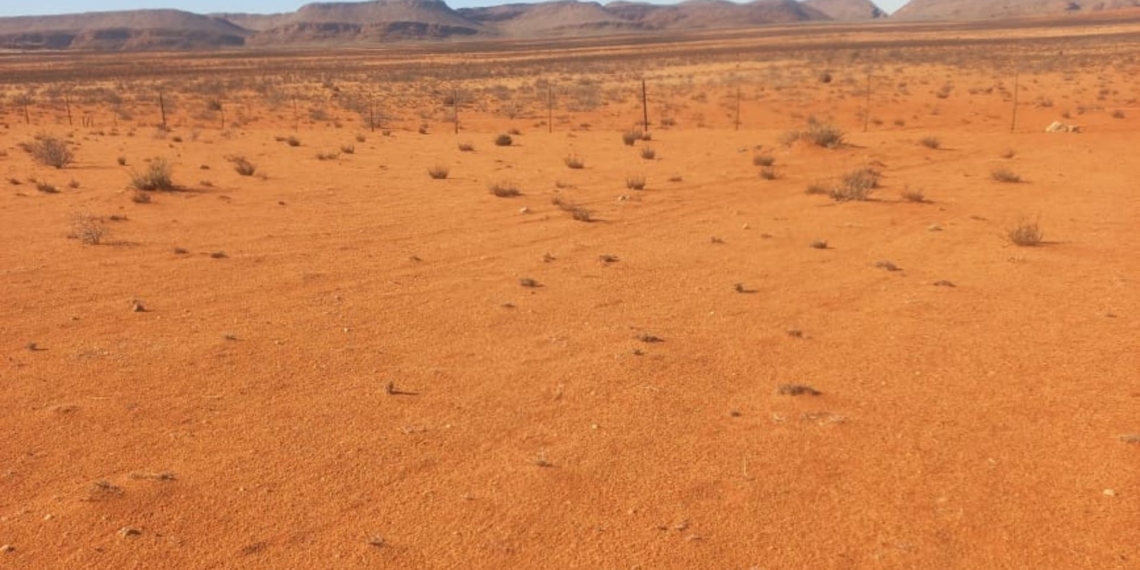
Pofadder in the Northern Cape is one of the hardest hit areas by the heatwave. Photo: Supplied/Food For Mzansi

Pofadder in the Northern Cape is one of the hardest hit areas by the heatwave. Photo: Supplied/Food For Mzansi

Share on FacebookShare on TwitterShare on WhatsApp

The extreme heatwave that has hit the Western and Northern Cape over the past few days has caused havoc for farmers in the middle of the harvest season, with temperatures going beyond the 40 degrees Celsius mark.

Calla du Toit, procurement director at Tru-Cape Fruit, said it is too early to determine the full impact of the heatwave as they were currently in the midst of it.

“Sunburn and heat stress on the trees, which can affect fruit size, particularly for later cultivars such as Joya and Pink Lady, are a significant risk at this stage, and we are implementing measures to mitigate these effects.

“We are irrigating all orchards that still have fruit on a daily basis. Fortunately, Ceres received some rainfall recently (Friday night), up to 30 mm in some areas. And, following the hailstorm three weeks ago, several areas also benefited from rain, ensuring that we have sufficient water in the dams for irrigation,” Du Toit said.

Unbearable heat impacts fruit and livestock

According to Du Toit, a large portion of the fruit has already been harvested.

FARMER POLL

📢 Which bank is powering your farming journey?

Tell us which bank you use so we can better advocate for the specialised financial tools and accessible capital needed to help South African farmers overcome growth barriers and thrive!

All submissions are kept strictly confidential. 

“Consequently, the volume of orchards requiring irrigation has decreased dramatically. During the heatwave, we try to work later in the evening when temperatures are cooler for the workers, giving them proper rest during the heat of the day,” Du Toit explained.

Louisa Bezuidenhout, a livestock farmer in Upington in the Northern Cape, said the heat has been unbearable for a couple of weeks, making it difficult for operations to run smoothly.

“It is so bad that you will see livestock scrambling for shade. The water we pour for it does not last; we constantly have to pour water. Also, for us working on the farm, the wind is hot, day or night, there is no difference.

“The area on its own is always hot; this heatwave has added an extra layer of hotness that is too much to bear for all of us,” she said.


Related stories
  • Heatwave threatens South Africa’s summer grain harvest
  • Adapt or die: Expect less rainfall, more heatwaves ahead
  • Portfolio committee probes failures in struggling state projects
  • Flagstaff farmer keeps hope growing when the rain stops

The South African Weather Service (SAWS) has advised farmers and farmworkers to exercise caution during the heatwave, such as wearing protective clothing, working in shade when possible, and keeping hydrated.

The SAWS warned that with these high temperatures, the risks of veld fires also have the potential to cause damage, especially in farming communities.

Outlook for the coming months

While farmers in the southern part of the country are barely coping with the heat, the weather service indicated that farmers across South Africa’s summer rainfall regions could benefit from wetter conditions in the coming months.

The SAWS forecasts above-normal rainfall for most summer rainfall areas during late summer and autumn, which could support crop growth and improve grazing conditions for livestock. Good rainfall at this stage of the season may help sustain crop development and replenish soil moisture reserves.

However, the weather service warned that excessive rainfall may also present challenges, particularly in areas with poor drainage. Waterlogged soils can damage crops and prevent or delay harvesting operations.

While much of the country is expected to receive good rainfall, some interior areas may remain relatively dry. Parts of the Free State, North West and Northern Cape could experience below-normal rainfall during the autumn months, requiring careful resource management, the SAWS advised.

Managing farm risks

With varying conditions expected across regions, farmers are encouraged to adopt practical risk management strategies.

These include implementing soil and water conservation practices, improving water harvesting and storage, and ensuring proper drainage systems to reduce the risk of waterlogging in high rainfall areas. Farmers should also remain vigilant for increased pest and disease pressure, which often accompanies wet conditions.

Livestock producers are advised to monitor herd health and keep vaccinations up to date to reduce the risk of disease outbreaks that may occur during prolonged wet weather.

The SAWS also advises farmers to monitor updated weather information regularly, as seasonal forecasts are revised monthly and may change, particularly for longer lead times.

READ NEXT: Strong harvests drive continued demand for farm machinery

Sign-up for the latest agricultural news delivered straight to your inbox every day with Mzansi Today!

Staff Reporter

Researched and written by our team of writers and editors.

Tags: Fruit industryheatwaveInform meLivestock farmingNorthern CapeWestern Cape

Related Posts

Land reform in SA: Slow but steady strides forward

Land restitution leads, but reform still lacks

2nd May 2026
South Africa faces a critical shortage of veterinarians, essential for animal health, food safety, and zoonotic disease control. Boehringer Ingelheim is working to support existing vets and raise awareness of the profession’s vital role. Photo: Supplied/Food For Mzansi

R512k boost helps EC youth launch animal healthcare businesses

2nd May 2026

Female farmers commit to stronger worker relationships

1st May 2026

On the frontline: Why veterinarians are critical infrastructure

Local burrata named SA’s best dairy product

Mopane & termites: Limpopo insect trade boosts rural livelihoods

Rockman unveils R1 billion budget to combat disease, boost jobs

Tsolo farmers’ day tackles disease and market access

Calf rearing: Why the first few hours define your future herd
Farmer's Inside Track

Calf rearing: Why the first few hours define your future herd

by Patricia Tembo
29th April 2026

Successful livestock farming starts at birth. University of the Free State specialist Junior Mkansi breaks down the complexities of calf...

Read moreDetails
Harvesting success: Inga Qeja’s journey from garden to grocer

Harvesting success: Inga Qeja’s journey from garden to grocer

29th April 2026
Mopane

Mopane & termites: Limpopo insect trade boosts rural livelihoods

29th April 2026
Rockman unveils R1 billion budget to combat disease, boost jobs

Rockman unveils R1 billion budget to combat disease, boost jobs

29th April 2026
Industry experts and stakeholders lead a panel discussion at the Eastern Cape Farmers’ Day Fair Trade hosted by Food For Mzansi in partnership with Inga Qeja, a trailblazing vegetable farmer and the proud owner of Bhayi Holdings in Mbokothwana, Tsolo. Photo: Food For Mzansi

Tsolo farmers’ day tackles disease and market access

28th April 2026

Mopane & termites: Limpopo insect trade boosts rural livelihoods

R512k boost helps EC youth launch animal healthcare businesses

Sorghum: Forgotten grain rises as climate-smart crop choice

Fairtrade Africa sharpens 2026–2028 strategy for impact

Rockman unveils R1 billion budget to combat disease, boost jobs

Join Food For Mzansi's WhatsApp channel for the latest updates!

JOIN NOW!
Next Post
Black winemakers primed to make a huge splash in 2024

South Africa Wine Summit to unpack forces shaping industry

THE NEW FACE OF SOUTH AFRICAN AGRICULTURE

With 21 global awards in the first six years of its existence, Food For Mzansi is much more than an agriculture publication. It is a movement, unashamedly saluting the unsung heroes of South African agriculture. We believe in the power of agriculture to promote nation building and social cohesion by telling stories that are often overlooked by broader society.

Land restitution leads, but reform still lacks

R512k boost helps EC youth launch animal healthcare businesses

Stoep to cellar: Sauvignon blanc takes centre stage this May

Female farmers commit to stronger worker relationships

Healing through nature: Letitia builds wellness brand from home

Fairtrade Africa sharpens 2026–2028 strategy for impact

  • Awards & Global Impact
  • Our Story
  • Contact Us
  • Cookie Policy
  • Privacy Policy
  • Copyright

Contact us
Office: +27 21 879 1824
News: info@foodformzansi.co.za
Advertising: sales@foodformzansi.co.za

Contact us
Office: +27 21 879 1824
News: info@foodformzansi.co.za
Advertising: sales@foodformzansi.co.za

  • Awards & Global Impact
  • Our Story
  • Contact Us
  • Cookie Policy
  • Privacy Policy
  • Copyright
No Result
View All Result
  • News
  • Changemakers
  • Lifestyle
  • Farmer’s Inside Track
  • Food for Thought

Copyright © 2024 Food for Mzansi

This website uses cookies. By continuing to use this website you are giving consent to cookies being used. Visit our Privacy and Cookie Policy.