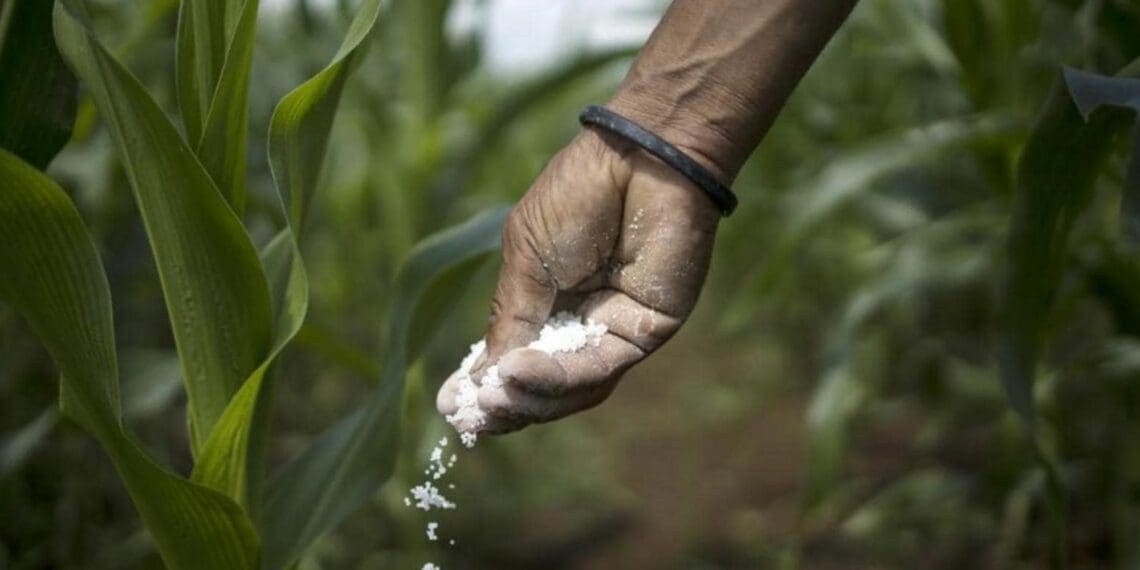
Amid warnings that the world’s fertiliser shortage will have a “massive impact” on especially small-scale farmers, the increasing cost of fertiliser continues to weigh heavily on Mzansi’s producers.
This week, Alvario Lario, president of the International Fund for Agricultural Development, said, “We have right now an issue with affordability of fertilisers. If current prices of energy continue where they are, the supply of all the stock will be depleted and the supply of fertiliser will be extremely challenging.”
North West maize and sunflower farmer Minky Kgopa told Food For Mzansi she is spending much more on fertiliser than she did a year ago. In 2021, she spent R216 000 to cover a 100-hectare area. Now it costs her nearly R759 000 to only cover 50 hectares.
She said, “This is a scary fact that fertiliser can go up so significantly in the space of 12 months and there is nothing I can do about it.”
This has forced Kgopa to significantly decrease her scale of operation. She now only produces maize and sunflower on 50 hectares despite having more land available.

Sourcing fertiliser from other countries
A specialist in agricultural market dynamics, Tracy Davids from the Bureau for Food and Agricultural Policy (Bfap), said Russia remained a key exporter of chemical fertiliser. The country’s invasion of Ukraine and subsequent economic sanctions influenced its ability to export, leading to price hikes.
Davids said currently farmers in South Africa were not battling with the availability of fertilisers, but the cost of accessing fertilisers.

South Africa imported more than 80% of its fertiliser and agrochemicals, which means the country is a price taker.
According to Free State grain farmer Phaladi Matsole it is high time that Mzansi manufactured its own fertiliser on a large scale.
“We should, by now, as a country be producing our own agricultural inputs. Fertilisers are expensive because of the war. It means there is a call for action for us to do our own things,” he said.
The other option is sourcing fertiliser from other countries, Davids added. Russia is the third biggest supplier into South Africa after Saudi Arabia and Qatar.
“[However, the challenge is the very sharp increase in prices and South Africa imports a lot of fertilisers. I think South African producers are very skilled at what they do and the ability to be nimble and adjust to tackle the various challenges head on is a key part of this.”
A touch of optimism…

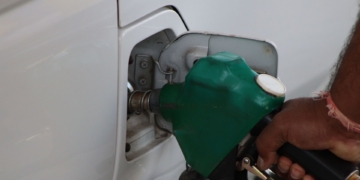
Meanwhile, the cost of diesel and other inputs is hampering farmer sustainability even further, Matsole pointed out.
“The increase of other contemporary products like seeds and chemicals are too much. This is a huge challenge for emerging grain farmers because they end up not affording to take crop insurance cover as the costs of all this becomes too much to bear.”
However, it’s not all doom and gloom, said Kgopa. She has been selling her sunflowers at a much higher price per tonne thanks to higher finished product prices.
“It did not double like the input costs, but there will still be profit to be seen amid the challenges that we face.
“I think for us, in South Africa, we are lucky that we are seeing the rain again and that is good for our crops. It’s not all bad because nature is working with us.”