Saturday, May 2, 2026
SUBSCRIBE
21 GLOBAL MEDIA AWARDS
Food For Mzansi
  • News
  • Changemakers
  • Lifestyle
  • Farmer’s Inside Track
  • Food for Thought
No Result
View All Result
  • News
  • Changemakers
  • Lifestyle
  • Farmer’s Inside Track
  • Food for Thought
No Result
View All Result
Food For Mzansi
No Result
View All Result
in Farmer's Inside Track

Protect your herd: Tips for preventing livestock theft

Livestock theft isn't just a financial loss; it’s a threat to the heart of South African farming. Learn how to protect your operation through better employee vetting, identifying early warning signs, and animal identification

by Patricia Tembo
20th January 2026
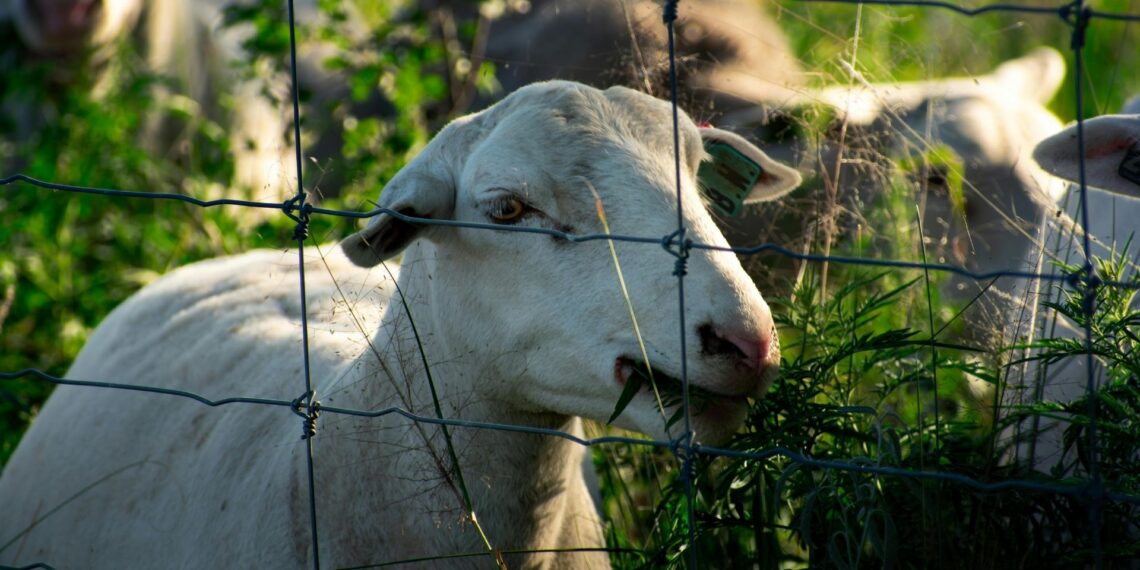
Livestock theft remains a widespread and deeply damaging challenge for South African farmers, but through vigilance, proper animal identification, strict access control, strong community networks and rapid response, farmers can reduce their risk. Photo: Pexels

Livestock theft remains a widespread and deeply damaging challenge for South African farmers, but through vigilance, proper animal identification, strict access control, strong community networks and rapid response, farmers can reduce their risk. Photo: Pexels

Share on FacebookShare on TwitterShare on WhatsApp

Livestock theft remains one of the most persistent and devastating challenges for South African farmers. Beyond financial losses, it erodes trust, disrupts farm operations, and places emotional strain on families and workers.

Recent data from Statistics South Africa’s Governance, Public Safety and Justice Survey shows that in 2024/25, more than 61 000 goats were stolen, along with 37 947 cattle and 36 486 poultry. Nearly half of these incidents occurred in kraals or near homesteads, while 40.7% took place in grazing fields.

Goats accounted for the largest share of stolen livestock (39.8%), followed by cattle (24.6%), with the Free State, KwaZulu-Natal, and Eastern Cape most affected.

For Pholisa Bidla, a beef producer at the family-owned Ranos 2108, stock theft is not a theoretical risk; it is a lived reality. She shares practical lessons on reducing exposure through vigilance, systems, relationships, and discipline.

“Stock theft is painful and life-changing. But even in that pain, you have to think forward. You have to ask yourself where the system failed and how you close that gap,” Bidla says.

FARMER POLL

📢 Which bank is powering your farming journey?

Tell us which bank you use so we can better advocate for the specialised financial tools and accessible capital needed to help South African farmers overcome growth barriers and thrive!

All submissions are kept strictly confidential. 


Related stories
  • Protect your livestock: Dos and don’ts for the rainy season
  • Ten tips to establish grazing pasture and boost profits
  • Foot-and-mouth disease: What farmers need to know
  • Cattleman Carter: Turning tough terrain into opportunity

Know your operation and stay involved

Regular communication and independent checks are essential to maintaining control.

Bidla stresses that trust in employees is important, but warns against blind trust. “No one will ever be as passionate about your farm as you are. Employees assist you, they don’t replace you.”

Her approach includes:

  • Careful vetting during hiring.
  • Keeping copies of employees’ identity documents.
  • Setting clear expectations from day one.
  • Paying wages on time.
  • Involving workers in branding, tagging, and record-keeping.

“When people are involved, they take ownership. They start protecting what they helped build,” she says.

Early warning signs

Stock theft rarely happens without warning. Key signs include:

1. Unknown animals in your herd
“If you notice animals you don’t recognise, that is a red flag. Look at the brand mark; if it doesn’t look like yours, take it seriously,” Bidla warns. She recalls finding an unfamiliar cow on her farm for two months, which she immediately reported to SAPS. Unidentified animals should be reported to SAPS and neighbouring farmers immediately, according to the Stock Theft Act. 

2. Fence and gate irregularities
Broken fences, unexplained holes, and open gates are often signs of intruders. “Every time you see a hole, it must be repaired immediately. Gates must always be closed and locked,” she advises.

3. Unfamiliar vehicles and suspicious movement
Repeated sightings of unknown vehicles should prompt alerts to neighbours and SAPS.

4. Changes in employee behaviour
“Employees frequently visiting nearby villages, bringing friends onto the farm, or leaving whenever they please is a serious warning sign,” Bidla notes. Poor access control increases the risk of inside jobs.

5. High-risk periods
Stock theft peaks around holidays, September – December, and May – June, when demand for meat is high. “When people don’t have money to buy meat, theft becomes the option.”

Identify your animals clearly

Proper identification is both a legal requirement (the Animal Identification Act No. 6 of 2002) and a recovery tool. “You must know your animals. If you can’t identify them, you can’t claim them back,” Bidla says.

Common methods include ear notching, branding, tattoos, ear tags, and maintaining a detailed register. She advises tagging calves at one to one-and-a-half months, not six months.
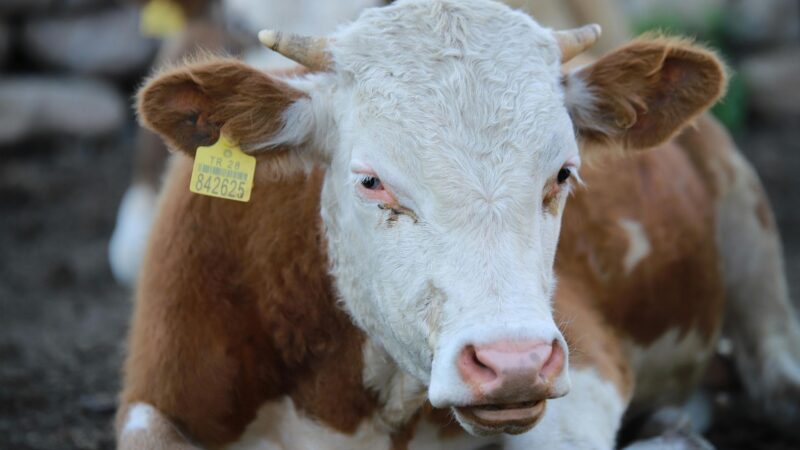
Tagging calves early enhances traceability and increases the likelihood of recovery when animals are reported to SAPS. Photo: Pexels

Control access on the farm

Bidla does not allow casual visits, braais, or walk-through inspections. Only purchased animals are visible and prepared for loading, with two buyers allowed on the farm at a time. “When buyers arrive, they think it’s a dead farm. They see nothing except the animals they bought,” she says. She believes this significantly reduces theft risk.

Have a strong network

Active participation in farmer WhatsApp groups and community policing forums, regular engagement with SAPS, and visible interaction with the department of agriculture are crucial. “They must know you. Not just your phone number, but your face,” Bidla stresses.

What to do immediately after theft

If theft occurs, Bidla urges fast, methodical action:

  • Secure the scene: Footprints and paths are critical evidence.
  • Report immediately: Contact SAPS, neighbours, and community networks.
  • Provide detailed records: Identification and register details are key to recovery.
  • Follow the case: Know your investigating officer and attend court proceedings. “If you don’t attend court as the complainant, the case can be dismissed, and those people may come back for you.”

Through vigilance, identification, access control, collaboration, and personal involvement, farmers can significantly reduce their risk and protect what they have worked hard to build.

READ NEXT: Festive stock heists spark alarm across rural SA

Sign-up to Farmer's Inside Track for the best farming tips, news and advice to thrive!

Patricia Tembo

Patricia Tembo is motivated by her passion for sustainable agriculture. Registered with the South African Council for Natural Scientific Professions (SACNASP), she uses her academic background in agriculture to provide credibility and technical depth to her journalism. When not in immersed in the world of agriculture, she is engaged in outdoor activities and her creative pursuits.

Tags: Commercialising farmerLivestock farminglivestock theftTeach me

Related Posts

Calf rearing: Why the first few hours define your future herd

Calf rearing: Why the first few hours define your future herd

29th April 2026
Harvesting success: Inga Qeja’s journey from garden to grocer

Harvesting success: Inga Qeja’s journey from garden to grocer

29th April 2026
PPECB explains ‘passports’ to export success for SA farmers

PPECB explains ‘passports’ to export success for SA farmers

21st April 2026

Strategic breeding: How Chianina genetics can boost a beef herd

More than livestock: Lesedi’s legacy in the heart of the Kalahari

Poultry farming: Tips to manage unpredictable weather patterns

A well-oiled vision: Moseki transforms castor beans into opportunity

Why post-harvest tomato handling is key to profits

Calf rearing: Why the first few hours define your future herd
Farmer's Inside Track

Calf rearing: Why the first few hours define your future herd

by Patricia Tembo
29th April 2026

Successful livestock farming starts at birth. University of the Free State specialist Junior Mkansi breaks down the complexities of calf...

Read moreDetails
Harvesting success: Inga Qeja’s journey from garden to grocer

Harvesting success: Inga Qeja’s journey from garden to grocer

29th April 2026
Mopane

Mopane & termites: Limpopo insect trade boosts rural livelihoods

29th April 2026
Rockman unveils R1 billion budget to combat disease, boost jobs

Rockman unveils R1 billion budget to combat disease, boost jobs

29th April 2026
Industry experts and stakeholders lead a panel discussion at the Eastern Cape Farmers’ Day Fair Trade hosted by Food For Mzansi in partnership with Inga Qeja, a trailblazing vegetable farmer and the proud owner of Bhayi Holdings in Mbokothwana, Tsolo. Photo: Food For Mzansi

Tsolo farmers’ day tackles disease and market access

28th April 2026

Fire meets flavour: Recipes and tips for a plant-based braai

Female farmers commit to stronger worker relationships

Calf rearing: Why the first few hours define your future herd

Mopane & termites: Limpopo insect trade boosts rural livelihoods

Local burrata named SA’s best dairy product

Join Food For Mzansi's WhatsApp channel for the latest updates!

JOIN NOW!
Next Post
UFS secures R10m grant to fast-track local climate action

UFS secures R10m grant to fast-track local climate action

THE NEW FACE OF SOUTH AFRICAN AGRICULTURE

With 21 global awards in the first six years of its existence, Food For Mzansi is much more than an agriculture publication. It is a movement, unashamedly saluting the unsung heroes of South African agriculture. We believe in the power of agriculture to promote nation building and social cohesion by telling stories that are often overlooked by broader society.

Land restitution leads, but reform still lacks

R512k boost helps EC youth launch animal healthcare businesses

Stoep to cellar: Sauvignon blanc takes centre stage this May

Female farmers commit to stronger worker relationships

Healing through nature: Letitia builds wellness brand from home

Fairtrade Africa sharpens 2026–2028 strategy for impact

  • Awards & Global Impact
  • Our Story
  • Contact Us
  • Cookie Policy
  • Privacy Policy
  • Copyright

Contact us
Office: +27 21 879 1824
News: info@foodformzansi.co.za
Advertising: sales@foodformzansi.co.za

Contact us
Office: +27 21 879 1824
News: info@foodformzansi.co.za
Advertising: sales@foodformzansi.co.za

  • Awards & Global Impact
  • Our Story
  • Contact Us
  • Cookie Policy
  • Privacy Policy
  • Copyright
No Result
View All Result
  • News
  • Changemakers
  • Lifestyle
  • Farmer’s Inside Track
  • Food for Thought

Copyright © 2024 Food for Mzansi

This website uses cookies. By continuing to use this website you are giving consent to cookies being used. Visit our Privacy and Cookie Policy.