Thursday, July 16, 2026
SUBSCRIBE
22 GLOBAL MEDIA AWARDS
Food For Mzansi
  • News
  • Changemakers
  • Lifestyle
  • Farmer’s Inside Track
  • Food for Thought
No Result
View All Result
  • News
  • Changemakers
  • Lifestyle
  • Farmer’s Inside Track
  • Food for Thought
No Result
View All Result
Food For Mzansi
No Result
View All Result
in News

Tariff delays cost wheat importers millions, warns Sacota

While the lower wheat import tariff could ease financial pressure on millers and improve affordability, delays in implementation continue to burden the industry. Sacota and stakeholders have proposed an automated tariff adjustment system to ensure faster, more predictable changes

by Staff Reporter
2nd December 2025
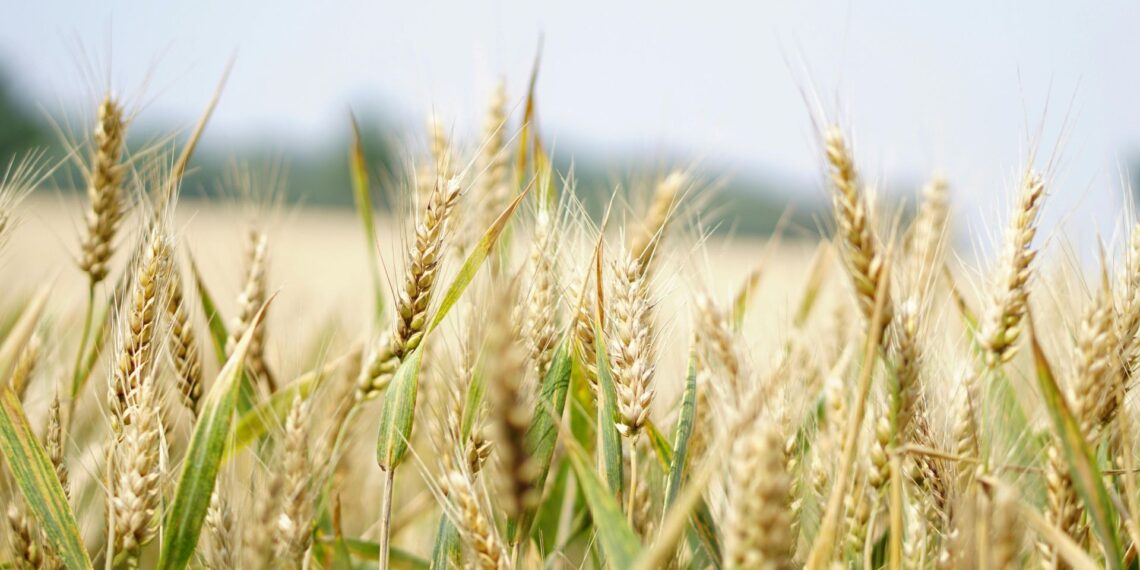
Grain SA has raised alarm over escalating input costs ahead of winter planting, cautioning that diesel and fertiliser price hikes could severely impact farmer viability. Photo: Pexels

Grain SA has raised alarm over escalating input costs ahead of winter planting, cautioning that diesel and fertiliser price hikes could severely impact farmer viability. Photo: Pexels

Share on FacebookShare on TwitterShare on WhatsApp

South Africa’s variable wheat import tariff has been triggered for a reduction, offering potential relief to millers and consumers, though delays in implementation continue to challenge the industry.

According to the South African Cereals and Oilseeds Traders Association (Sacota), South Africa has a variable wheat import tariff designed in part to protect the local wheat industry against subsidised imports. Wheat and wheaten products, such as bread, alongside white maize, are key indicators of food security and affordability for consumers.

The country imports roughly half of its wheat requirements, with Sacota members responsible for all imports from 10 different countries during the 2024/25 season.

“In times of high global wheat prices, our import tariff is low; however, when international wheat prices are low, our tariff is high,” Sacota explained.

According to the association, earlier this year, international prices edged lower, resulting in a relatively high tariff of R851.50, or about 15% of the current wheat price traded on the JSE Commodity Derivatives Market (formerly Safex).


Related stories
  • Grain farmers break records at prestigious Grow for Gold Awards
  • Grain and oilseed markets: Tariffs shake up global trade
  • Record maize harvest: SA faces stiff global competition
  • SA food inflation: Why groceries became so expensive

Delay in lower tariff implementation

Despite local wheat prices trading at relatively low levels and the industry facing distress, international wheat prices have recently trended slightly higher, triggering a reduction in the wheat tariff.

South Africa’s wheat import tariff has now been set for reduction to approximately R616 per ton, a decrease of R236. However, this lower tariff will not take effect until it is officially published in the Government Gazette, and there is currently no fixed timeline for implementation.

“Until publication, the higher rate of R851.50/ton remains applicable,” Sacota noted.

While the eventual reduction will help reduce costs for millers and support wheat affordability, the uncertainty in timing continues to place financial strain on the industry. “If a 50 000-ton shipment were to land before the new tariff becomes effective, importers and their clients (millers) would face an additional cost of approximately R12 million purely due to the delay in implementation,” Sacota explained.

Proposal for automated tariff adjustments

To address this issue, Sacota, together with industry stakeholders, has proposed a new automated methodology for tariff adjustments. This system would allow changes to take effect within a shorter and more predictable timeframe, similar to the monthly fuel price adjustment system.

“Under the proposed approach, today’s trigger would have led to implementation from 1 January 2026, just 22 working days later,” Sacota said.

The association noted that under the current tariff of R851 per ton, Sagis reports that approximately 890 000 tons of wheat were imported between 11 July and 14 November 2025. This equates to around R750 million in SARS tariff income over this period alone.

The ongoing delay in implementing tariff adjustments highlights the broader need for certainty in the wheat industry. The International Trade Administration Commission of South Africa (Itac) is still processing the application for an automated implementation system.

“It has been 13 months since the application was submitted to Itac for the revision of the implementation methodology without receiving an outcome,” Sacota noted. The matter has now been raised at a ministerial level through the Grain Value Chain Round Table under the Agriculture and Agro-processing Master Plan.

“The wheat tariff affects the whole industry: from producer to importer, to miller, to consumer. Certainty in tariff adjustments and ultimately the price would assist a great deal in planning ahead,” Sacota added.

READ NEXT: Masogas’ backyard garden booms into 140-ha crop blueprint

Sign-up for the latest agricultural news delivered straight to your inbox every day with Mzansi Today!

Staff Reporter

Researched and written by our team of writers and editors.

Tags: Future-focused farmerInform meSacotaTrade tariffswheat
Rooibos industry targets global growth while protecting local roots
News

Rooibos industry targets global growth while protecting local roots

by Staff Reporter
14th July 2026

With China lifting tariffs on South African exports, the rooibos industry is poised for global expansion. Industry leaders are ramping...

Read moreDetails
KZN declares FMD disaster as SA launches local vaccine

Traceability key as SA opens up FMD vaccine markets

13th July 2026
Maria Makhabane, chief growth officer at Discovery Health. Photo: Supplied/Food For Mzansi

Flexicare helps farms grow through healthier teams

13th July 2026
Feathered Fields: Young farmer defies odds with poultry production

Feathered Fields: Young farmer defies odds with poultry production

13th July 2026
High equipment costs and rising economic uncertainties have driven a nearly 15% drop in South African tractor sales. Photo: Stefan Thiesen/Wikimedia Commons

Farmers turn to second-hand machinery as new sales stall

13th July 2026

Flexicare helps farms grow through healthier teams

Choose the right dripline for vineyard and orchard success

Dune spinach: A climate-hardy green transforming coastal farming

This week’s agri events: 13-17 July

Ecovado shines: From village dream to retail shelves

Join Food For Mzansi's WhatsApp channel for the latest updates!

JOIN NOW!
Next Post
Raisin industry

Sweet potential: Raisin crop signals strong industry rebound

THE NEW FACE OF SOUTH AFRICAN AGRICULTURE

With 21 global awards in the first six years of its existence, Food For Mzansi is much more than an agriculture publication. It is a movement, unashamedly saluting the unsung heroes of South African agriculture. We believe in the power of agriculture to promote nation building and social cohesion by telling stories that are often overlooked by broader society.

How this KZN agricultural advisor is bringing tech to rural fields

Weekly stock theft reports pile pressure on farmers

Grain SA defends farmers against blame for rising food prices

Dune spinach: A climate-hardy green transforming coastal farming

The Karoo’s quiet lesson on trust and truth

Unused KZN school transformed into a thriving 16-hectare farm

  • Awards & Global Impact
  • Our Story
  • Contact Us
  • Cookie Policy
  • Privacy Policy
  • Copyright

Contact us
Office: +27 21 879 1824
News: info@foodformzansi.co.za
Advertising: sales@foodformzansi.co.za

Contact us
Office: +27 21 879 1824
News: info@foodformzansi.co.za
Advertising: sales@foodformzansi.co.za

  • Awards & Global Impact
  • Our Story
  • Contact Us
  • Cookie Policy
  • Privacy Policy
  • Copyright

Chat Options

I'm Lerato, your AI assistant!
No Result
View All Result
  • News
  • Changemakers
  • Lifestyle
  • Farmer’s Inside Track
  • Food for Thought

Copyright © 2024 Food for Mzansi

This website uses cookies. By continuing to use this website you are giving consent to cookies being used. Visit our Privacy and Cookie Policy.