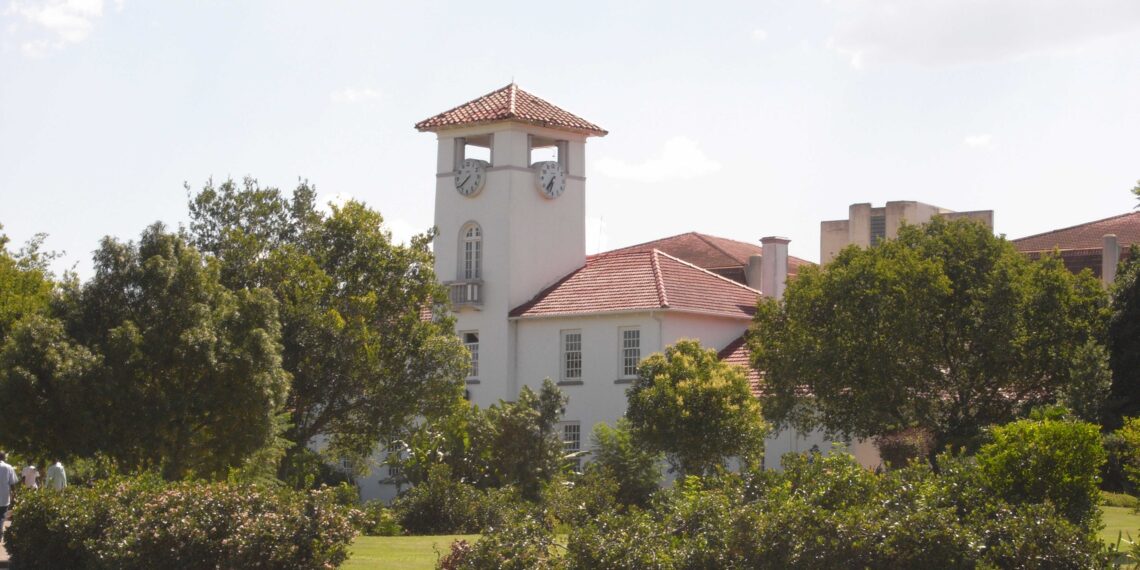
University of Fort Hare (UFH) management has hit back at claims that its agricultural degrees are illegitimate, insisting that all programmes are fully registered and are simply undergoing a formal name-change process.
This comes after more than 700 students escalated their grievances to the public protector, alleging they were being forced into qualifications they never applied for. Students who, for example, originally applied and registered for a bachelor of science in agriculture animal production, found themselves studying for a bachelor of science in agriculture animal science, a shift many say happened without their consent.
While the university cites administrative protocols and department of higher education and training compliance, students from the 2025 and 2026 cohorts claim the uncertainty has closed professional doors and left their careers in limbo.
Ntandazo Nyanga, the former chairperson of the Student Faculty Council of Science and Agriculture, has been at the forefront of the struggle. He revealed that the road to finding a resolution has been paved with personal risk and institutional silence.
After failing to see results following engagement with the minister of higher education, student leadership has now approached the Public Protector.
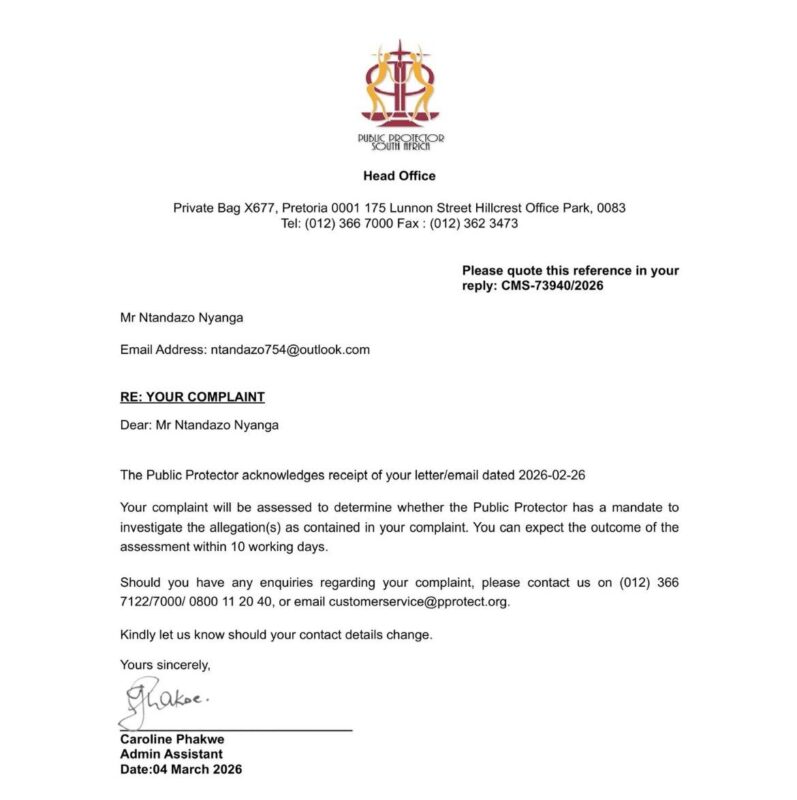
“It hurts me seeing my brothers and sisters crying that they have wasted their years doing illegitimate qualifications. After many attempts to have this matter resolved, we opted to approach the Public Protector to assist us on this matter and put consequence management in place,” Nyanga added.
Related stories
- Fort Hare agricultural students in limbo amid qualification crisis
- University of Fort Hare launches high-tech dairy research hub
- Navigating troubled waters: CT port manager shares recovery plans
- Grain industry warns value chain inefficiencies could disrupt exports
Students share concerns
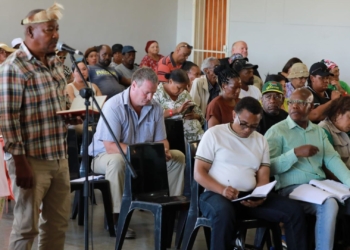
For students expecting to graduate this year, the university’s recent communications have offered little comfort. The identities of the students who spoke to Food For Mzansi are being protected for fear of victimisation for speaking out against the institution.
One agricultural student set to graduate this year expressed a deep sense of betrayal. Having initially applied and registered for a bachelor of agriculture in economics, he discovered the university had changed his qualification to a bachelor of agriculture.
“I feel like the university doesn’t care about us or how this change affects us and our careers because in their communique, they were not showing any form of remorse after letting us continue registering for a course that they know very well has not been registered for all these years,” he said.
Another student studying animal science shared that the shift from their original application has closed professional doors.
“I have no hope because now it’s the third year we have been raising the same matter… It’s hard to accept the matter because many opportunities are closed since I am not doing what I applied for,” the student said.
The university’s stance
When Food For Mzansi approached the South African Qualifications Authority (SAQA) for clarity, it referred enquiries to the Council on Higher Education (CHE) and the university’s own quality assurance office. While CHE had not responded by the time of publication, UFH spokesperson JP Roodt maintained that all programmes are registered.
According to Roodt, the university is following formal regulatory processes for a name change rather than offering unregistered degrees. He confirmed that the university is currently awaiting a response from the CHE to change the name of the bachelor of science in animal production to bachelor of science in animal science.
The university also acknowledged concerns regarding the bachelor of agriculture and bachelor of agriculture in animal production, but maintained that both are accredited and registered by the CHE and SAQA, respectively.
“All UFH programmes are registered,” Roodt stated, detailing a multi-step process involving senate approval, DHET clearance, and SAQA registration. “Where a qualification remains valid but requires a name change to better reflect its purpose, UFH undertakes this process to ensure full compliance,” he said.
READ NEXT: Portfolio committee probes failures in struggling state projects