Saturday, May 2, 2026
SUBSCRIBE
21 GLOBAL MEDIA AWARDS
Food For Mzansi
  • News
  • Changemakers
  • Lifestyle
  • Farmer’s Inside Track
  • Food for Thought
No Result
View All Result
  • News
  • Changemakers
  • Lifestyle
  • Farmer’s Inside Track
  • Food for Thought
No Result
View All Result
Food For Mzansi
No Result
View All Result
in Farmer's Inside Track

Hemp farming: How to master planning, permits and precision

Hemp farming is not as simple as planting and harvesting. Expert Ayanda Bam breaks down the "5F" framework – farming, food, fibres, fractions, and flowers – to help growers move from basic cultivation to high-value, demand-driven production

by Patricia Tembo
17th March 2026
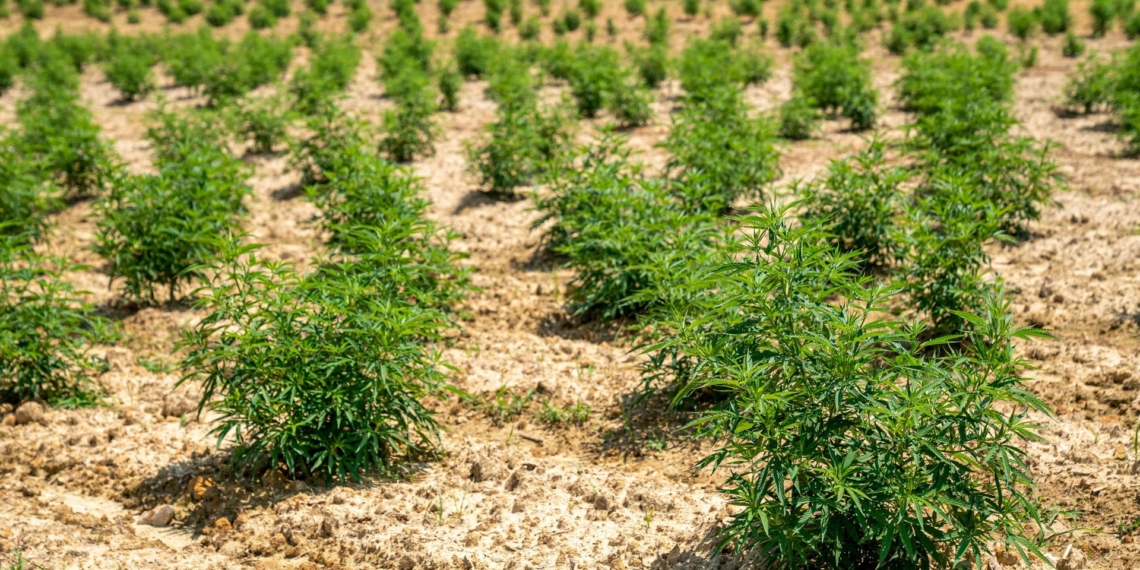
South Africa’s emerging hemp industry offers farmers opportunities across food, fibre and medicinal markets, but success depends on understanding regulations, selecting suitable seed and end-use markets before planting. Photo: Pexels

South Africa’s emerging hemp industry offers farmers opportunities across food, fibre and medicinal markets, but success depends on understanding regulations, selecting suitable seed and end-use markets before planting. Photo: Pexels

Share on FacebookShare on TwitterShare on WhatsApp

Hemp is increasingly recognised for its versatility and commercial potential, but navigating the sector requires understanding its complexities, from cultivation to processing and market access.

Ayanda Bam, executive director at Zageta Solutions, a strategy and advisory firm in South Africa’s emerging hemp and cannabis industry, provides insight into how farmers should approach this emerging sector.

“Hemp is often spoken of as a single entity, but in reality, it encompasses a variety of products, each with distinct requirements, processing methods, and markets,” Bam explains. This complexity means farmers must prioritise which segments of hemp to focus on, particularly in South Africa, where natural, regulatory, and fiscal constraints apply.

Segmentation helps clarify the landscape. Bam highlights the 5F framework, adapted from the Canadian Hemp Trade Alliance: farming, food, fibres, fractions, and flowers. This categorisation allows farmers to consider the specific end uses of hemp products, helping them make informed decisions about what to grow and how to process it.


Related stories
  • SA hemp industry calls for urgent policy reform to unlock jobs
  • Visionary KZN farmer turns sugarcane fields into hemp future
  • Why hemp could be the next big thing for local producers
  • Indigenous crops: The climate-smart superfoods we need

Regulatory environment for hemp in South Africa

Before exploring the hemp value chain, it is important to understand the regulatory framework. Although hemp and cannabis come from the same plant species, South African law differentiates them based on tetrahydrocannabinol (THC) content: hemp contains less than 2% THC, while plants above this threshold are classified as cannabis.

FARMER POLL

📢 Which bank is powering your farming journey?

Tell us which bank you use so we can better advocate for the specialised financial tools and accessible capital needed to help South African farmers overcome growth barriers and thrive!

All submissions are kept strictly confidential. 

Hemp cultivation in South Africa is regulated under the Plant Improvement Act (1976, updated 2018), which requires farmers to obtain permits and recognises hemp specifically as plants with under 2% THC.

The Medicines and Related Substances Act regulates cannabis and cannabis products with higher THC levels that are processed for medical purposes. Under the Drugs and Drug Trafficking Act, cannabis exceeding 2% THC remains illegal for commercial trade, though private use is permitted. Understanding these distinctions is essential for farmers to operate compliantly within the sector.

Bam emphasises a “demand-driven, vertically coordinated” approach to hemp. This means understanding the end product first, then working backwards through the value chain to align cultivation, processing, and marketing.

Seed development

Seed is the foundation of hemp farming. “Cultivars are developed for specific purposes (grain, fibre, or flower) and these determine everything downstream,” Bam notes.

South Africa currently relies heavily on imported seeds. Bam explains that there are only two locally bred varieties available from the Agricultural Research Council (ARC). Importantly, seed development is costly and time-intensive, requiring protection and registration to commercialise successfully.

Certification and quality assurance

Quality assurance is essential when multiplying seeds for farming. South Africa has a certification scheme managed by Sansor, though enforcement and adoption remain limited.

Proper certification ensures seeds meet standards for performance and legal compliance, which is particularly crucial for farmers entering the sector.

Cultivation considerations

Hemp’s adaptability also matters. Trials suggest the most suitable regions in South Africa include KwaZulu-Natal, the Western Cape, and the Eastern Cape, though success depends on the chosen genetics and local agroclimatic conditions.
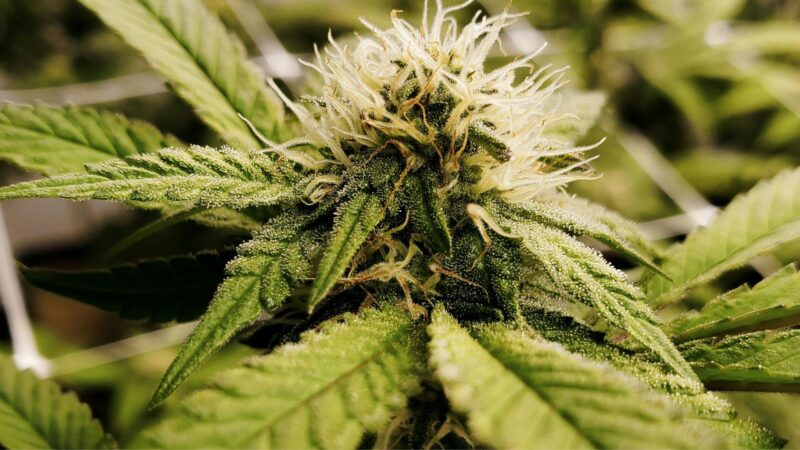
Hemp plants produce three main harvestable components: grain or seed, inflorescences (flowers), and straw or stalk. Photo: Pexels

Harvesting and processing

Different parts of the hemp plant yield distinct products:

  • Grain/seed – This is considered a so-called “superfood”, making up about 10–15% of total biomass. It is harvested, threshed, cleaned, and stored similarly to maize or soy.
  • Inflorescences/flowers – Carefully trimmed, dried, and cured in a process similar to tobacco, these are used for oils or medicinal extracts regulated under the Medicines and Related Substances Act.
  • Straw/stalk – Usually dried and left to undergo enzymatic decomposition (retting), this part of the plant is primarily used for fibre and various industrial applications.

Processing then creates primary products, which are the raw materials for downstream manufacturing. “You can’t sell a T-shirt without processing fibre from the stalk first,” Bam clarifies, highlighting the need for coordination between cultivation and industrial value addition.

Across the board, hemp farmers share several common requirements. Bam notes that market access is essential, as there is little incentive to cultivate hemp without reliable buyers for their products.

Finance is another critical need, with working capital required to cover inputs and operational costs before harvest. Equally important are skills and expertise, including agronomy and production knowledge, which are vital for successful cultivation and maximising yield.

Bam shares the following strategic takeaways for aspiring hemp farmers:

  • Define your segment: Use the 5F framework to determine whether your focus will be on grain, fibre, flowers, or other fractions.
  • Understand genetics: Choose seeds that suit your climate and intended end-use; consider both local and imported varieties.
  • Plan for processing: Ensure access to processing facilities for your chosen plant parts.
  • Stay informed on regulations: Permits and legal compliance are crucial.
  • Build market relationships: Successful hemp farming is linked closely to reliable demand and supply chain coordination.

READ NEXT: Discipline and dirt define Meshack Ndongeni’s farming success

Sign-up to Farmer's Inside Track for the best farming tips, news and advice to thrive!

Patricia Tembo

Patricia Tembo is motivated by her passion for sustainable agriculture. Registered with the South African Council for Natural Scientific Professions (SACNASP), she uses her academic background in agriculture to provide credibility and technical depth to her journalism. When not in immersed in the world of agriculture, she is engaged in outdoor activities and her creative pursuits.

Tags: CannabisCommercialising farmerhemp farmingTeach me

Related Posts

Calf rearing: Why the first few hours define your future herd

Calf rearing: Why the first few hours define your future herd

29th April 2026
Harvesting success: Inga Qeja’s journey from garden to grocer

Harvesting success: Inga Qeja’s journey from garden to grocer

29th April 2026
PPECB explains ‘passports’ to export success for SA farmers

PPECB explains ‘passports’ to export success for SA farmers

21st April 2026

Strategic breeding: How Chianina genetics can boost a beef herd

More than livestock: Lesedi’s legacy in the heart of the Kalahari

Poultry farming: Tips to manage unpredictable weather patterns

A well-oiled vision: Moseki transforms castor beans into opportunity

Why post-harvest tomato handling is key to profits

Calf rearing: Why the first few hours define your future herd
Farmer's Inside Track

Calf rearing: Why the first few hours define your future herd

by Patricia Tembo
29th April 2026

Successful livestock farming starts at birth. University of the Free State specialist Junior Mkansi breaks down the complexities of calf...

Read moreDetails
Harvesting success: Inga Qeja’s journey from garden to grocer

Harvesting success: Inga Qeja’s journey from garden to grocer

29th April 2026
Mopane

Mopane & termites: Limpopo insect trade boosts rural livelihoods

29th April 2026
Rockman unveils R1 billion budget to combat disease, boost jobs

Rockman unveils R1 billion budget to combat disease, boost jobs

29th April 2026
Industry experts and stakeholders lead a panel discussion at the Eastern Cape Farmers’ Day Fair Trade hosted by Food For Mzansi in partnership with Inga Qeja, a trailblazing vegetable farmer and the proud owner of Bhayi Holdings in Mbokothwana, Tsolo. Photo: Food For Mzansi

Tsolo farmers’ day tackles disease and market access

28th April 2026

On the frontline: Why veterinarians are critical infrastructure

Tsolo farmers’ day tackles disease and market access

Local burrata named SA’s best dairy product

This week’s agri events: 27 April-01 May

Mopane & termites: Limpopo insect trade boosts rural livelihoods

Join Food For Mzansi's WhatsApp channel for the latest updates!

JOIN NOW!
Next Post
WC farm equity schemes under fire after worker exploitation claims

WC farm equity schemes under fire after worker exploitation claims

THE NEW FACE OF SOUTH AFRICAN AGRICULTURE

With 21 global awards in the first six years of its existence, Food For Mzansi is much more than an agriculture publication. It is a movement, unashamedly saluting the unsung heroes of South African agriculture. We believe in the power of agriculture to promote nation building and social cohesion by telling stories that are often overlooked by broader society.

Land restitution leads, but reform still lacks

R512k boost helps EC youth launch animal healthcare businesses

Stoep to cellar: Sauvignon blanc takes centre stage this May

Female farmers commit to stronger worker relationships

Healing through nature: Letitia builds wellness brand from home

Fairtrade Africa sharpens 2026–2028 strategy for impact

  • Awards & Global Impact
  • Our Story
  • Contact Us
  • Cookie Policy
  • Privacy Policy
  • Copyright

Contact us
Office: +27 21 879 1824
News: info@foodformzansi.co.za
Advertising: sales@foodformzansi.co.za

Contact us
Office: +27 21 879 1824
News: info@foodformzansi.co.za
Advertising: sales@foodformzansi.co.za

  • Awards & Global Impact
  • Our Story
  • Contact Us
  • Cookie Policy
  • Privacy Policy
  • Copyright
No Result
View All Result
  • News
  • Changemakers
  • Lifestyle
  • Farmer’s Inside Track
  • Food for Thought

Copyright © 2024 Food for Mzansi

This website uses cookies. By continuing to use this website you are giving consent to cookies being used. Visit our Privacy and Cookie Policy.