The University of Fort Hare (UFH) in the Eastern Cape is making bold strides in veterinary education and research. Recently, a delegation from the university met with agriculture minister John Steenhuisen to propose the establishment of South Africa’s third veterinary academic hospital.
Steenhuisen welcomed the initiative and highlighted the urgent need to expand veterinary capacity in the country.
“There is no doubt that we need more veterinarians and more veterinary facilities in the country. As we strengthen national biosecurity, veterinary and plant health expertise will become absolutely critical,” he said.
Expanding vet services and training
The plan entails expanding the veterinary clinic, funded by the university at R22 million, which is already at an advanced planning stage, together with the establishment of the university’s seventh faculty: the faculty of veterinary and agricultural sciences.
A new teaching veterinary hospital is set to be only the second such hospital in the country to be established in over 100 years.
Currently, the country only has one veterinary hospital, the Onderstepoort Veterinary Academic Hospital at the University of Pretoria, which was established more than a century ago.
Estimated at R253 million through benchmarking with similar institutions, the proposed hospital is set to expand veterinary clinical services and training nationwide, reinforcing UFH’s position as a leader in addressing critical skills gaps in animal health and agricultural development.
Related stories
- Fraud exposed at Fort Hare’s Honeydale Research Farm
- University of Fort Hare launches high-tech dairy research hub
- Fort Hare agricultural students in limbo amid qualification crisis
- Testing the waters: Can the Eastern Cape grow SA’s rice?
At the centre of these developments is the bachelor of veterinary science (BVSc) programme, which was submitted to the department of higher education and training (DHET) in September 2025 for programme and qualification mix (PQM) clearance. Approval is pending a key meeting with the minister of higher education and training, Buti Manamela.
According to the university, the proposed plan comes on the heels of approval of an R80 million grant from the department of higher education and training to build the first phase of veterinary sciences facilities at UFH’s Honeydale Research Farm in Alice.
Improving livestock health & rural development
“The new faculty will include five departments: the new veterinary biomedical and para-clinical sciences and veterinary medicine and clinical sciences for terrestrial and aquatic species, and the existing animal and pasture sciences, agricultural economics, extension, and agribusiness departments. The new veterinary science campus, with all related academic facilities, including residences for students and staff, will change the Alice rural landscape.
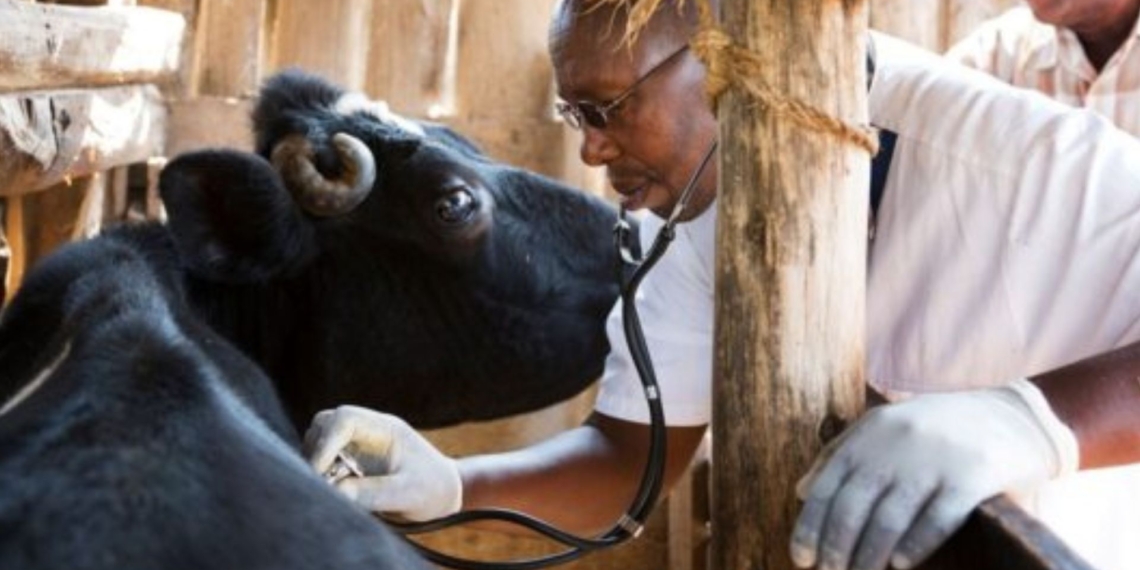
“The BVSc programme to be offered by the new faculty aims to address South Africa’s shortage of veterinarians, particularly in rural and underserved areas. It will prepare veterinarians to support these communities, improve livestock and aquaculture health, strengthen disease surveillance, boost food security, and contribute to public health, while also developing expertise in wildlife and aquatic veterinary medicine,” the university said.
The university’s vice-chancellor, Prof. Sakhela Buhlungu, said the initiative represents a major national intervention in veterinary education and rural development.
“This is not simply about establishing another academic programme. It is about expanding national capacity in veterinary training and building the infrastructure required to support South Africa’s animal health system.”
Prof. Sakhela Buhlungu
UFH’s Emeritus Professor, Prof. Renuka Vithal, said the establishment of a veterinary academic hospital is also essential for the full professional training of future veterinarians.
“Training veterinarians does not end with the degree. Graduates must complete their clinical training and internship in a veterinary hospital to be licensed to practise,” she explained. “At present, South Africa has only one such hospital. If we are serious about expanding veterinary training in the country, we must also expand the clinical infrastructure that supports it.”
She added that the proposed hospital would also provide critical veterinary services to farming communities in the Eastern Cape while creating new research opportunities in livestock health, disease surveillance, and aquatic veterinary science.
READ NEXT: SA hemp industry calls for urgent policy reform to unlock jobs