Sunday, November 22, 2026
SUBSCRIBE
22 GLOBAL MEDIA AWARDS
Food For Mzansi
  • News
  • Changemakers
  • Lifestyle
  • Farmer’s Inside Track
  • Food for Thought
No Result
View All Result
  • News
  • Changemakers
  • Lifestyle
  • Farmer’s Inside Track
  • Food for Thought
No Result
View All Result
Food For Mzansi
No Result
View All Result
in News

African markets offer fresh growth opportunities for SA rooibos

South African rooibos is finding a growing audience closer to home, with countries like Botswana, Zimbabwe, and Namibia leading regional imports

by Staff Reporter
21st November 2026
Add FFM on Google
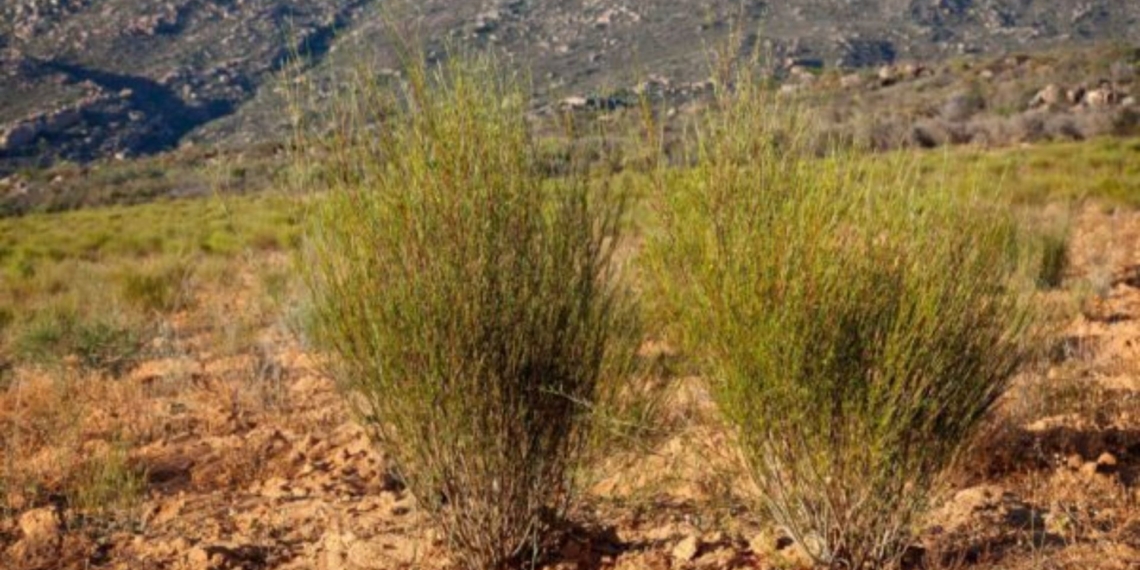
Exploring African markets is key to the South African Rooibos Council agenda. Photo: SARC

Exploring African markets is key to the South African Rooibos Council agenda. Photo: SARC

Share on FacebookShare on TwitterShare on WhatsApp

While Europe, North America and Asia remain important export markets, the African continent is emerging as an increasingly significant part of rooibos’ international growth story, offering opportunities for regional trade, distribution and product innovation.

According to Joe Swart, research director of the South African Rooibos Council (SARC), African countries first entered the industry’s top ten export destinations in 2016, reflecting the growing importance of regional markets to the industry’s international trade.

Since then, countries such as Botswana, Zimbabwe and Zambia have become established destinations for rooibos, highlighting the potential of the continent as a closer-to-home growth market.

Growing demand creates export opportunities

Export figures reflect both the opportunities and the changing dynamics of the African market. Shipments to the continent increased from approximately 812 tonnes in 2022 to 1 082 tonnes in 2024, representing growth of around 33% over the two years. While exports declined by 22.7% in 2025 to approximately 837 tonnes, volumes remained 3.1% above 2022 levels.

Africa accounted for 7.7% of total rooibos exports in 2025, with Botswana, Zimbabwe and Namibia collectively making up more than 70% of shipments to the region.

Namibia was among the encouraging performers, recording 10.9% growth in 2025, while Eswatini also posted an increase of 3.2%. Botswana remained the continent’s largest destination, accounting for 38.1% of African exports.

For Swart, the longer-term opportunity lies in the changing preferences of African consumers and the potential to make rooibos more accessible across different markets.


Related stories
  • Local innovation and exports drive growth in SA rooibos industry
  • Rooibos project turns classrooms into space labs
  • Zero-tariff breakthrough sparks new era for SA’s rooibos industry
  • Squeeze or survival? SA farmers ditch retailers for local direct trade

“Growing health and wellness awareness, together with rooibos naturally caffeine-free properties and strong African heritage, presents an opportunity to attract more consumers. Affordable, everyday beverages that can be enjoyed by the whole family are particularly relevant in these markets,” Swart said.

Wider availability through retailers, wholesalers and cross-border distributors is helping to introduce rooibos to more consumers. However, there is still considerable room to grow awareness in markets where the product is less established.

Importantly, the opportunity extends beyond the traditional hot cup of rooibos. Swart points to growing interest in iced rooibos, ready-to-drink beverages, functional and wellness blends, vitamin-fortified products and children’s rooibos.

“Product innovation allows rooibos to adapt to different consumer preferences, lifestyles and occasions. It also creates opportunities for manufacturers and distributors to explore new segments of the beverage market, while introducing the product to consumers who may not traditionally have considered rooibos,” Swart said.

Localisation the solution to market barriers

There are, however, commercial considerations to navigate. Black tea remains the dominant tea category by volume in many African markets, while established drinking habits, price sensitivity, distribution costs and limited consumer awareness can make market penetration challenging.

Swart believes that localisation will be important in addressing these barriers. Market-specific pack sizes, languages, pricing and retail strategies, together with locally relevant product offerings, can help strengthen rooibos’ position.

With total rooibos exports growing from approximately 5 900 tonnes in 2015 to more than 10 900 tonnes in 2025, the industry’s international reach continues to expand. The product is now exported to more than 50 countries worldwide.

While established overseas markets will remain important, Africa offers the added opportunity of strengthening regional trade around a uniquely South African agricultural product. Growth will require sustained investment in distribution, consumer awareness and product innovation.

“Understanding the needs and purchasing power of consumers in individual markets will be key to developing these opportunities,” Swart concluded.

READ NEXT: Value chain collaboration key to building climate-resilient farming

Red stylized leaves resembling flames enclosed in a rounded, irregular red border on a white background.

Sign-up for the latest agricultural news delivered straight to your inbox every day with Mzansi Today!

Add FFM on Google Follow FFM on Google News

Staff Reporter

Researched and written by our team of writers and editors.

Tags: Agricultural exportsInform meSouth African Rooibos Council (SARC)
A farmer in a plaid shirt and cap standing in a wheat field while reviewing data and charts on a digital tablet.
Advertorial

You’ve collected the data. Now what?

by Staff Reporter
19th November 2026

PARTNER CONTENT: Data collection is just the start. Learn how to transform raw farm records into actionable insights and better...

Read moreDetails
Karin Kleinbooi, executive director for inclusion and development at South Africa Wine; Berene Sauls of Tesselaarsdal Wines; Denzel Swarts of Zoetendal Vineyards; and Mahalia Kotjane of Three Quarters Wines at South Africa Wine’s Inclusive Growth Indaba 2026. Photo: Food For Mzansi

Six hard-earned lessons from black-owned wine brands

19th November 2026
A young woman crouches in a community garden, holding a green tomato to show an older man standing beside her in an apron.

Why giving farmers seedlings isn’t enough to beat the next drought

19th November 2026
Neat rows of green crops stretch across a vast field toward rolling hills under a cloudy sky.

AgriSA, IFC partner to streamline sustainable farm finance in SA

19th November 2026
Cuts of raw red meat displayed on trays behind a glass butcher's counter.

Festive demand vs. El Niño: What’s driving SA’s livestock market?

18th November 2026

SA agriculture sheds 34 000 jobs as input costs squeeze farmers

AgriSA, IFC partner to streamline sustainable farm finance in SA

Tulbagh Cannery closure leaves WC farmers fighting for fair terms

Business-first mindset drives success for EC mohair farmers

This week’s agri events: 16 – 20 November

Join Food For Mzansi's WhatsApp channel for the latest updates!

JOIN NOW!
Next Post
Neat rows of young crops cover a sloping green field beneath lush, forested hills and a dramatic, overcast sky.

Private partnerships unlock millions for land reform beneficiaries

THE NEW FACE OF SOUTH AFRICAN AGRICULTURE

With 21 global awards in the first six years of its existence, Food For Mzansi is much more than an agriculture publication. It is a movement, unashamedly saluting the unsung heroes of South African agriculture. We believe in the power of agriculture to promote nation building and social cohesion by telling stories that are often overlooked by broader society.

When to plant fodder radish for better livestock feed in droughts

Private partnerships unlock millions for land reform beneficiaries

African markets offer fresh growth opportunities for SA rooibos

Supplying Joburg Market: Phumla Qwabe grows her next chapter

How Alkelp is turning seaweed into biostimulants that deliver value on the farm

Climate risk is business risk: How farmers can prepare for El Niño

  • Awards & Global Impact
  • Our Story
  • Contact Us
  • Cookie Policy
  • Privacy Policy
  • Copyright

Contact us
Office: +27 21 879 1824
News: info@foodformzansi.co.za
Advertising: sales@foodformzansi.co.za

Contact us
Office: +27 21 879 1824
News: info@foodformzansi.co.za
Advertising: sales@foodformzansi.co.za

  • Awards & Global Impact
  • Our Story
  • Contact Us
  • Cookie Policy
  • Privacy Policy
  • Copyright

Chat Options

About this assistant

This feature generates automated answers summarised from Food For Mzansi articles. By using it, you are interacting with an AI system (provided by Google), not a human. AI can make mistakes. Please refer to the source articles for verification and citation purposes.

Our staff do not check or moderate Lerato’s answers in advance, but may review some later. Our journalists continue to write and edit all the articles Lerato uses as sources.

To estimate unique and returning web users, we store a random browser ID in this browser. WhatsApp users are counted by phone number. The same person using both channels may be counted twice.

I'm Lerato, your AI assistant!
No Result
View All Result
  • News
  • Changemakers
  • Lifestyle
  • Farmer’s Inside Track
  • Food for Thought

Copyright © 2026 Food for Mzansi