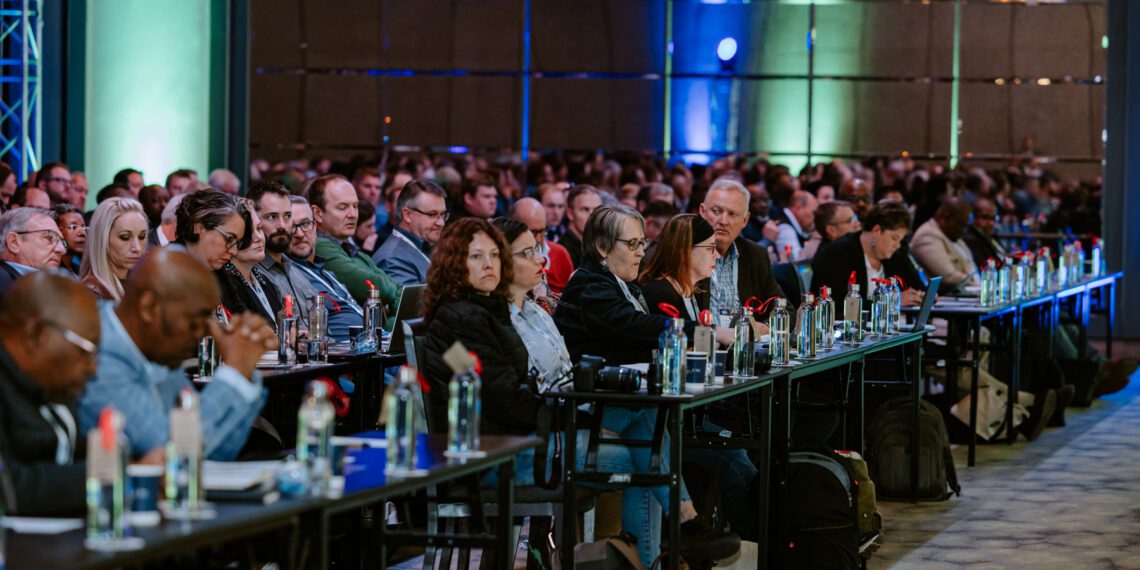
At the annual Agbiz Congress, considerable attention was dedicated to the critical role of the country’s infrastructure. Discussions highlighted how the efficiency and functionality can either drive sectoral and economic growth or bring it to its knees.
Delegates from agriculture, business, and the government gathered for the two-day congress at Sun City in North West, to digest how collaboration can shape the sector and create jobs.
Infrastructure development is critically important for South Africa due to several interrelated factors that contribute to the country’s economic growth, social development, and overall well-being.
A plan for water infrastructure
Xolani Zwane, the deputy director on regulations and compliance from the department of water and sanitation, said there is an appetite from the government to build new dams, however, funding is the biggest challenge the state is facing.
“There is potential to build more dams because at the current moment the country is already using 75% of surface water, however, the challenge is funding. Projects are there but they need funding.
“So as government we are looking at different funding models. If we can get that correct, we will be able to roll [out] many other projects which are in dire need at the moment,” he said.
Related stories
- Water crisis: Crumbling infrastructure at the core
- Logistics investment key for cross-border exports in Africa
Zwane said as the department, they are optimistic following parliament’s passing of the South African National Water Resources Infrastructure Agency.
“The bill is with the president to assent it and make it into law. Once the agency has been approved, it will take over the infrastructure of dams, source funds, and make sure that the country has enough functional dams,” he said.
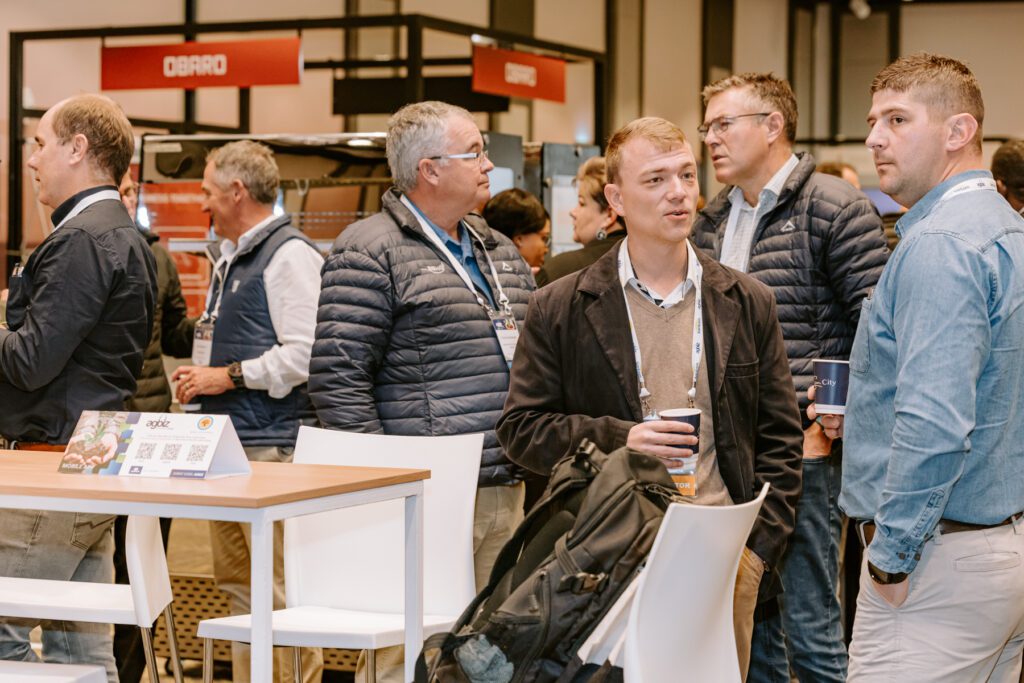
The head of project management in the presidency, Rudi Dicks, said collaboration is key to ensuring that there are sustainable projects and partnerships in the rail industry.
“Collaboration has been how government approached our logistics industry, for example, looking at the energy crisis committee which has led to our country having no load shedding for over 60 days. However, it is not only about load shedding but building resilient logistics,” he said.
The problem with ports
Dicks said a long-term sustainability plan is the first step of ensuring that government and all stakeholders are dealing with backlogs that would ensure efficiency in ports which are critical for South African exports.
“It is important that we allow public-private partnership collaborations – that is the only way we as government will be able to attract the private sector to come through and invest in the development of the infrastructure,” he said.

Group chief strategy and planning officer at Transnet, Dr Andrew Shaw, said it is important that third-party partners be allowed to help the state-owned logistics entity with backlogs. He mentioned that there were ports in the country where Transnet was allowing third parties.
Meanwhile, the chief economist from Development Bank South Africa, Zeph Nhleko, said the other challenge the country is facing is working in silos.
“We are hoping that the incoming government will have one infrastructure centre that will be focusing on all the projects and infrastructure-related work so that there could be a direction on how the country is doing when it comes to its work with infrastructure development,” he said.
The outgoing president of Agbiz, Francois Strydom, said while the country is awaiting a coalition government, there is a need for urgently changing the way the country is operating.
“We are at a very important time in our young democracy. So many things could have been achieved, also 30 years is not a long time to achieve many things. However, it is important to change direction on how we do things,” he said.
ALSO READ: EC farmers urged to restrict animal movement amid FMD outbreak
Sign up for Mzansi Today: Your daily take on the news and happenings from the agriculture value chain.