Community-led agricultural projects in Limpopo are creating income opportunities, strengthening food security and helping rural communities build sustainable livelihoods.
According to Paulos Stone, partnerships and philanthropy officer at CorpsAfrica, the projects demonstrate how local ownership, community contributions and agricultural skills can help turn available land and infrastructure into productive farming enterprises.
One example is the Tshwarishano Poultry Project in Tikeyline, which was established after community members identified unemployment and food insecurity as key challenges. According to Stone, the community chose to revive an abandoned chicken coop from a previous failed project and take ownership of the initiative.
The seven-member group comprises three young women and four adults. Stone said members raised R26 600 across seven fundraising cycles by selling beans and atchar, while community members contributed labour and materials towards rehabilitating the poultry structure.
Related stories
- Sisters in farming: Limpopo ladies forge cooperative success
- Self-taught poultry farmer shows how small start leads to big wins
- Closing SA’s gender gap in commercial farming success
- Silent burden: Women farmers open up about mental health
The first production cycle launched in September 2025 with 200 chicks. Each cycle takes about six weeks, with chickens sold for R90 in cash or R100 on credit. The project has since increased production to 500 chicks per cycle, with members earning R2 000 each over the last two cycles.
Empowering rural communities and restoring dignity
For treasurer Rachel Komana, the initiative has restored a sense of independence and dignity. “Today I am like other people. I can carry my handbag and go to work,” Komana said.
Molelekeng Seodi gained practical agricultural experience through the initiative and subsequently registered at a local college to pursue agricultural studies.
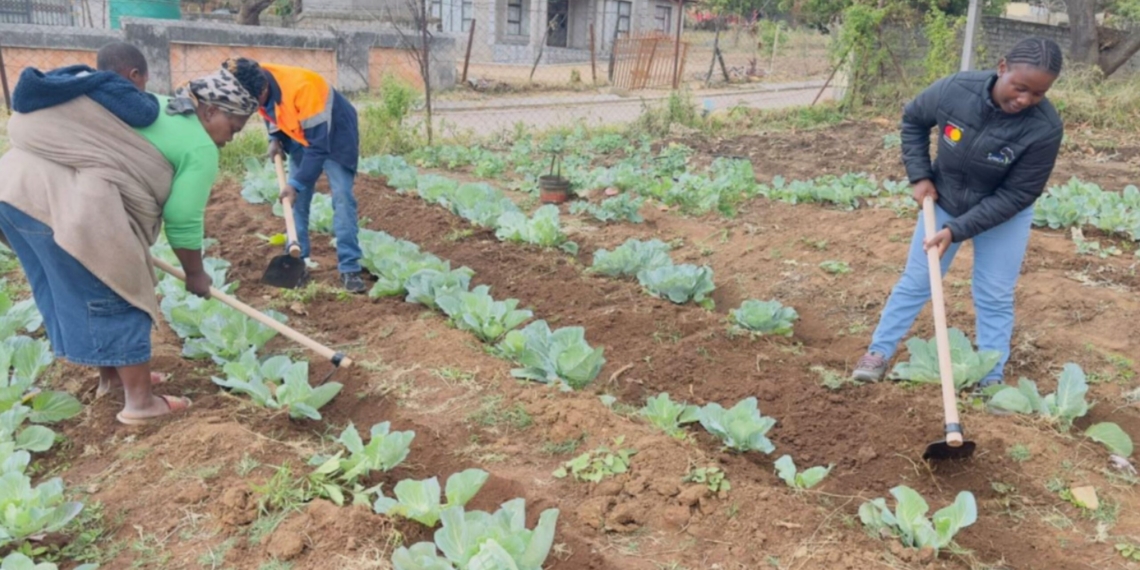
In Matshealapata, the seven-member, women-led Areikemeng Primary Cooperative is demonstrating the potential of vegetable production to strengthen rural livelihoods.
Stone said the cooperative farms approximately four hectares of fenced land near a dam, producing green peppers, tomatoes, butternut, beetroot, maize, green beans, okra, spinach and baby corn.
“The cooperative lost some crops during the January–February 2026 Limpopo floods but harvested what remained and reinvested its sales income into seeds for the next planting cycle. It also established market linkages, supplying Tshwane Market in Pretoria while selling additional produce within the local community.”
Between February and March, the cooperative recorded R3 836 in sales from green produce and baby corn, with further green bean sales recorded between March and April.
Stone said Makwale Poultry Farm in Hlohlokwe has created six employment opportunities for community members. Although the positions are not yet permanent, the project is providing income-generating opportunities and entrepreneurial experience.
“Through the production and sale of chickens, the project has reached an estimated 1 500 community members, providing access to locally produced poultry,” she explained.
In Ramongaona, the four-member Bakone Poultry Farming project is similarly using poultry production to address unemployment and limited income-generating opportunities. The initiative aims to improve household incomes, strengthen food security and create employment, particularly for youth and women.
Building businesses before funding
Stone said the second cohort is also demonstrating the value of communities testing agricultural enterprises before receiving external support.
In Ga-Makibelo, a 12-member women’s poultry group contributed R500 each, raising approximately R6 000 to establish the business. Before receiving CorpsAfrica funding, the group had already completed three production cycles, purchasing 400 chicks, selling 361 and generating R36 100 in revenue. After production and maintenance costs, the group recorded R12 180 in profit.
Stone said the group has since diversified into spinach, morogo and beetroot production, using chicken manure as organic fertiliser. The project directly benefits 12 women and created temporary construction work for six men, while approximately 57 family members benefit indirectly. More than 200 community members have access to locally produced chickens and vegetables.
READ NEXT: How AI and intelligence can shield African farms from El Niño