It is no secret that South Africa is a special country. It has diverse cultures, remarkable geological wealth, and exceptional biodiversity, much of which is unique to the nation. Yet, when it comes to agritourism, not nearly enough is being done to unearth its potential, believes Jacqui Taylor, founder and managing director of Agritourism Africa.
In 2021, the global agritourism market was valued at $5.95 billion. This is expected to grow even more by 2023 as more people start unlocking the value of bringing visitors to a farm. And Taylor says in the South African context, it could also provide greater job opportunities for youth while revitalising rural communities.
Looking to the year ahead, Taylor says the agritourism industry has changed dramatically since the Covid-19 pandemic. More should, however, be done to turbocharge the industry by giving people a taste of the magic of farm life.
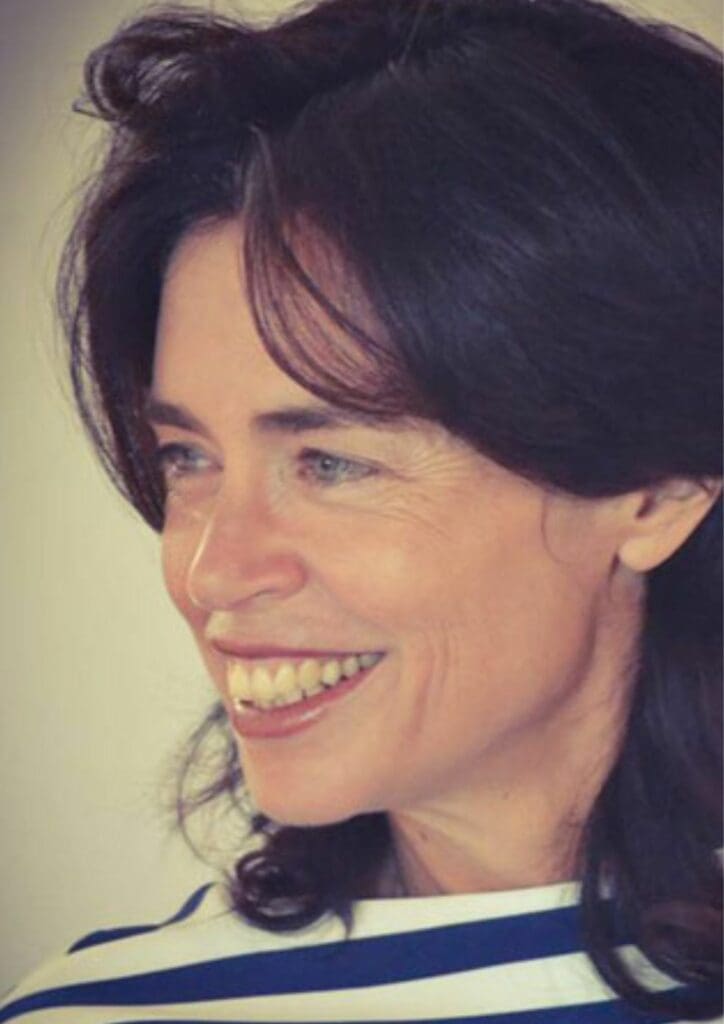
Sinenhlanhla Ngwenya: Covid-19 changed the world and had a tremendous impact on the world of tourism. How has agritourism changed following the pandemic?
Jacqui Taylor: The health regulations implemented to deal with Covid made an impact. Instead of having one set of staff to come in and do whatever needed to be done, there had to be two sets. So, what a lot of farmers did was to say, “No, don’t come to my farm” because it was not in their financial interests.
Also, it was to prevent people who worked on the farms from being infected by people who came from the cities. This was actually a big thing! It was like, “We don’t want your germs, thanks”. It had to be because these are farmers, and they produce food for us.
So, it had an impact from a financial perspective. If a worker did, however, get to go and work, they then had to have solid permission to do certain things. Economically, yes, they were affected, but also from a people perspective. People were restricted from what they could and could not do.
Yes, things are bit different now, many months post-Covid, but what are some of the agritourism trends that you have noticed in South Africa?
Covid changed the tourism dynamics in South Africa. Although initially the impact was financially crippling, what Covid did do was open the door for South Africans to explore their own country, even if only for a day trip.
Some agritourism farmers used the opportunity to install Wi-Fi and other office equipment on their farms, so visitors could stay in a self-catering cottage for weeks and still work. Many South Africans living in cities needed space not only for themselves but for their children who desperately wanted to exercise or explore. These trends continued over the festive period last year.
Across South Africa, farmers are thinking about expanding the recreation opportunities to include accommodation services. Is it worthwhile, though? Do farmers actually benefit from agritourism?
There are several different ways farmers can benefit. Obviously, farmers are very busy farming, which is a very demanding occupation. The example many people refer to is accommodation, but in fact, that is only one of the benefits.
If you look at this visual image, you will see how many choices a farmer has to include agritourism as an element of their farming operation. Remember the primary reason farmers embrace agritourism is that it is an income generator.
It will depend on the farm and what it has to offer. If it is direct sales, the type of crop cultivated will be relevant. Obviously, holidays play a role, but it is largely up to the farmer as to what he wants to achieve.
So, you’re in the know about all the fun activities related to agritourism in Mzansi…
I think that more focus should be put on what we actually have in South Africa that people don’t know about. In other words, have new discoveries, whether that is our indigenous herbs, or plants or foods. People are always looking for a new experience and that is something that I feel has been lacking. Everybody talks about wineries and winelands, but you know, really?
It is a very small part of South Africa. So, I think that we really need to broaden the scope and include stuff that people can’t do in other countries. They simply don’t have the herbs or the food sources, so it’s much more development that needs to take place in agritourism and in tourism. We must be more focused on rural areas.
Ok, real talk. How best would you describe the country’s agritourism industry?
To me, this is a sadness that it has not been really taken seriously by politicians or those in the tourism industry. Tourism is very stuck in what I call the past, the traditional ways of tours, operators, and this and that and they look at it as the point where it makes the most money. And I say that really is an outdated way of thinking.
If we talk about degenerative agritourism and we talk about regenerative tourism, you put people at the centre; you’re not putting an elephant at the centre of your product offering. We’re talking about people, and people relate to people. There needs to be a big change in the tourism industry to encourage rural development and we’ve got to find a way to employ people in rural areas. This is one of the ways that you can do something about it.
Unless we change our way of thinking about tourism and agriculture, we’re going to have a problem because it is so interlinked and there are so many young people.
There are people who can tell fantastic stories about their grandparents, about why things are a certain way, about medicinal herbs and indigenous herbs. Agricultural produce, most people don’t know much about it. Not everyone can answer.
And the whole braai and meat trend is there, it’s a tiny percentage. Those are the areas that I would really like to bring out. We are completely missing the ball. It’s like we’re on a soccer field and we’re not even playing soccer, we’re playing tennis.
Insiders often tell us that you don’t get nearly enough credit for the work you’re doing to grow agritourism in South Africa. It can be an ungrateful and lonely job, but yet you push forward. What is it about agritourism that keeps you going?
It is about people – and the people that I meet are incredible! Normal people that I meet are not pretentious and they just love the land. South Africa can be so different, but we are so stuck in a silo of a system.
Yes, tourism is one thing and agriculture is something else, and in South Africa, it’s like we can’t even cross those barriers, but I think this must be a more equal society. There could be social equity in South Africa, but it cannot be just the [Cape] Winelands, and everybody thinking that that is what agritourism is focused on. That is not going to get us anywhere and we’ve got to provide opportunities for youngsters.
I meet fantastic people and that is why I work six days a week. I just sit down and listen. It’s my passion, it’s about people. I know a lot about agriculture, but I learn far more from people than I could possibly learn from any classroom, always. It is just by talking and listening to what people have to say.
- Want to experience the beauty of Rural South Africa? Click here for accommodation and farm listings.
READ NEXT: Robertson steps up agri-tourism for rural revival
Sign up for Mzansi Today: Your daily take on the news and happenings from the agriculture value chain.