Recent engagements between South African and Namibian livestock industry bodies have underscored the need for sheep and cattle to be managed under separate import protocols, recognising the significantly different foot-and-mouth disease (FMD) risk profiles associated with each species.
Following the confirmation of a FMD outbreak in Namibia’s Karas Region on 23 September 2026, Red Meat Industry Services (RMIS) participated in a series of stakeholder engagements in Namibia recently.
According to RMIS, the discussions brought together key livestock industry representatives from Namibia and South Africa to consider future trade protocols and animal health measures governing the movement of livestock between the two countries.
Protecting animal health across borders
The Namibian delegation included the Namibia Agricultural Union (NAU), the Livestock Producers’ Organisation (LPO) and the Livestock and Livestock Products Board of Namibia (LLPBN), while South African participants included RMIS, the Red Meat Producers’ Organisation (RPO) and AgriSA.
“A key outcome of the discussions was broad agreement that the animal health risks associated with the movement of sheep differ from those associated with cattle, warranting species-specific protocols,” RMIS said.
Related stories
- Western Cape reaches 82% herd vaccination against FMD
- Traceability key as SA opens up FMD vaccine markets
- SA livestock exports take massive hit amid ongoing FMD crisis
- Farmers urge urgent support for resilient local supply chains
Chief executive officer of RMIS, Dewald Olivier, said the livestock sectors of South Africa and Namibia are closely connected, and it is in everyone’s interest to find workable solutions that protect animal health while supporting producers on both sides of the border.
“Our role as industry is to contribute constructively to that process and ensure producers’ realities are understood, but the final protocols must be determined by the respective veterinary authorities.”
Sheep and cattle markets
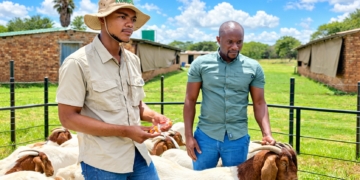
Namibia and South Africa share a long-established sheep trade relationship, with between 80% and 90% of Namibian sheep destined for the South African market. During the discussions, there was broad support for maintaining this important trade flow, provided appropriate safeguards are in place.
“First and foremost, imported sheep must be safe and free of foot-and-mouth disease risk. It was further emphasised that abattoir throughput should be managed responsibly to avoid oversupplying the local market and adding additional pressure, while any agreement should be based on reciprocity, allowing for the movement of South African genetic material into Namibia,” RMIS said.
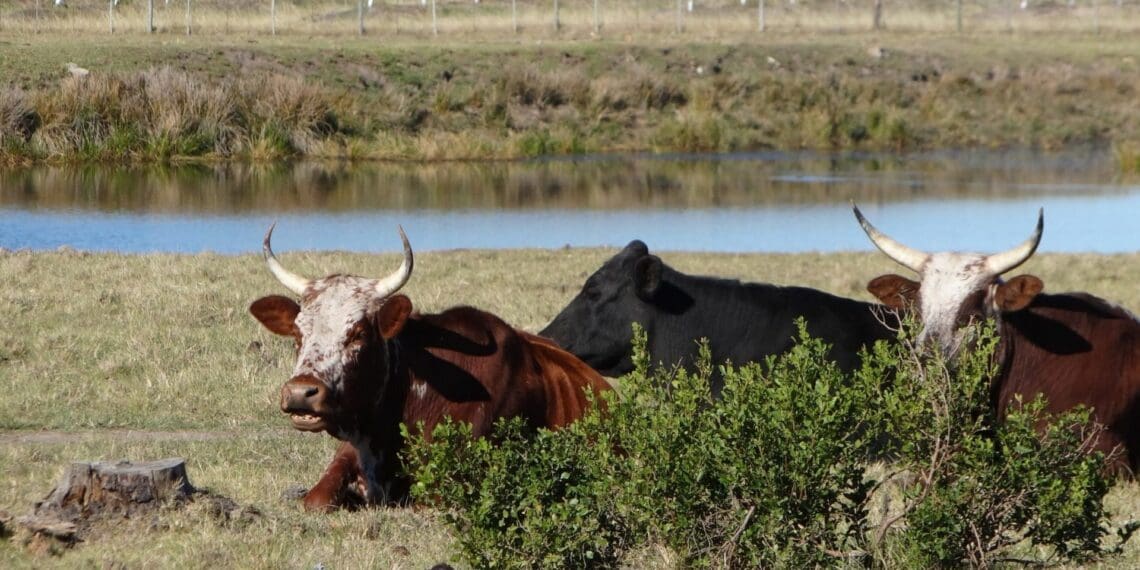
The position on cattle was considerably more sensitive, given the current FMD situation. Namibian cattle must be handled and vaccinated in the same way as South African cattle. This may require animals to move south, below the red zone in the Karas region, where they would be vaccinated and monitored in a feedlot for a minimum of two weeks before export to South Africa.
“Where cattle are concerned, there is no room for shortcuts. Imported animals must meet exactly the same vaccination and handling standards as our own herd,” Olivier said.
READ NEXT: Patensie claims Agri’s Got Talent crown for second year running