Thursday, October 22, 2026
SUBSCRIBE
22 GLOBAL MEDIA AWARDS
Food For Mzansi
  • News
  • Changemakers
  • Lifestyle
  • Farmer’s Inside Track
  • Food for Thought
No Result
View All Result
  • News
  • Changemakers
  • Lifestyle
  • Farmer’s Inside Track
  • Food for Thought
No Result
View All Result
Food For Mzansi
No Result
View All Result
in News

Avian influenza: Poultry industry on high alert

The South African Poultry Association cautions that the risk for avian influenza outbreaks and bird culling will be high this winter

by Staff Reporter
20th June 2022
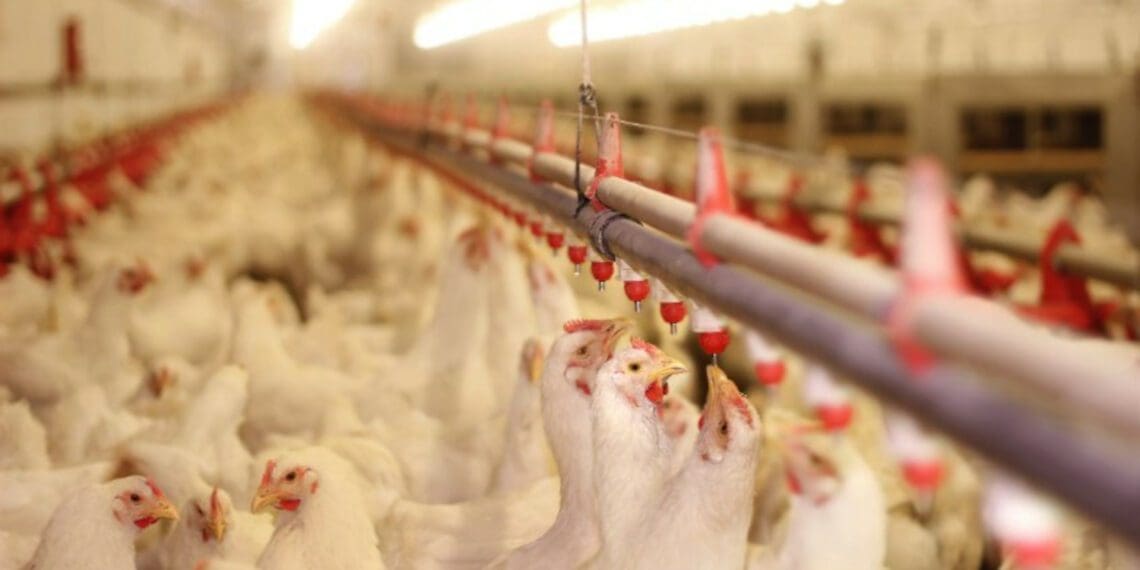
The Western Cape has been particularly hard hit by avian influenza outbreaks since 2021, followed by Gauteng and KwaZulu-Natal. Photo: Supplied/Food For Mzansi

The Western Cape has been particularly hard hit by avian influenza outbreaks since 2021, followed by Gauteng and KwaZulu-Natal. Photo: Supplied/Food For Mzansi

Share on FacebookShare on TwitterShare on WhatsApp

South African poultry farmers should be on high alert this winter, as the risk for outbreaks of avian influenza will be high.

This warning was issued by the South African Poultry Association in the latest edition of Poultry Bulletin, its official industry newsletter.

It cautions that outbreaks may lead to large numbers of birds having to be culled, and adds that the northern hemisphere, including North America, has seen severe outbreaks of highly pathogenic avian influenza (HPAI) through its winter months.

“All indications are that there is a high risk of HPAI outbreaks occurring in South Africa during the winter of 2022,” the association’s latest avian influenza monitoring report says. “International opinion remains opposed to vaccination against HPAI, so losses to the poultry industry will be high if this does occur.”

Sapa says that the industry has already suffered severe losses since the current series of outbreaks started in April 2021. Up to mid-March this year, 3.7 million birds have been culled, of which 2.9 million were culled in the egg industry and 800 000 in the broiler sector.

These losses represent 2.6% of the national flock: 9.6% of the egg industry flock and 0.6% of the broiler flock respectively.

“The egg industry in the Western Cape has suffered the greatest losses, with an estimated 30.6% of their layers having been affected by the H5N1 outbreak,” Sapa says.

A total of 145 HPAI outbreaks have now been reported, with 13 of those new cases in the first quarter of this year. The highest number has been in the Western Cape (68) followed by Gauteng (39) and KwaZulu-Natal (18).

ALSO READ: Avian flu: Poultry industry hustling to save exports

A word of caution to producers

“Producers are advised to remain on the alert and continue to comply with HPAI protocols. The ongoing submission of test results to Sapa is an important part of the surveillance programme,” the organisation says.

“Sapa is taking various steps to improve biosecurity and avian influenza monitoring. Because most outbreaks are transmitted by wild birds, Sapa is encouraging producers to submit wild bird samples from areas adjacent to their farms.”

ALSO READ: Avian flu outbreak: 5 tips to save your poultry business

Sign up for Mzansi Today: Your daily take on the news and happenings from the agriculture value chain.

Staff Reporter

Researched and written by our team of writers and editors.

Tags: Avian InfluenzaICYMISouth African Poultry Association
News

CPAs urged to register for free governance support toolkits

by Staff Reporter
21st October 2026

With 82% of registered CPAs facing non-compliance issues, Vumelana Advisory Fund has introduced free support toolkits to improve land management...

Read moreDetails

Potatoes and tomatoes plunge while avocado prices soar

20th October 2026
Becoming bankable: How to get your farm ready for finance

Becoming bankable: How to get your farm ready for finance

20th October 2026

Fixing SA’s agricultural visa system to protect seasonal harvests

20th October 2026
‘Beware the dangers of illegal foot-and-mouth vaccines’

SA and Namibia reevaluate livestock trade after FMD outbreak

20th October 2026

By-laws vs. livelihoods: Barriers facing WC smallholder farmers

Farmers urge urgent support for resilient local supply chains

Potatoes and tomatoes plunge while avocado prices soar

Mogogelo farmers receive packhouse and cold storage facilities

Fixing SA’s agricultural visa system to protect seasonal harvests

Join Food For Mzansi's WhatsApp channel for the latest updates!

JOIN NOW!
Next Post
Farmers attending a ministerial Imbizo held at Loskop where concerns were raised concern about the high levels of crime especially those related to the theft of livestock. Photo: Supplied/SAPS

Rural safety: Is Cele taking it seriously?

THE NEW FACE OF SOUTH AFRICAN AGRICULTURE

With 21 global awards in the first six years of its existence, Food For Mzansi is much more than an agriculture publication. It is a movement, unashamedly saluting the unsung heroes of South African agriculture. We believe in the power of agriculture to promote nation building and social cohesion by telling stories that are often overlooked by broader society.

Agda pushes for pathways to commercialise emerging farmers

Karoo sheep tallow finds new purpose in Mzansi beauty brand

Why simple farm records beat complex systems

Crowdfunding breathes new life into neglected Limpopo citrus farm

Mogogelo farmers receive packhouse and cold storage facilities

Godongwana unveils fuel relief and R10 billion El Niño buffer

  • Awards & Global Impact
  • Our Story
  • Contact Us
  • Cookie Policy
  • Privacy Policy
  • Copyright

Contact us
Office: +27 21 879 1824
News: info@foodformzansi.co.za
Advertising: sales@foodformzansi.co.za

Contact us
Office: +27 21 879 1824
News: info@foodformzansi.co.za
Advertising: sales@foodformzansi.co.za

  • Awards & Global Impact
  • Our Story
  • Contact Us
  • Cookie Policy
  • Privacy Policy
  • Copyright

Chat Options

About this assistant

This feature generates automated answers summarised from Food For Mzansi articles. By using it, you are interacting with an AI system (provided by Google), not a human. AI can make mistakes. Please refer to the source articles for verification and citation purposes.

Our staff do not check or moderate Lerato’s answers in advance, but may review some later. Our journalists continue to write and edit all the articles Lerato uses as sources.

To estimate unique and returning web users, we store a random browser ID in this browser. WhatsApp users are counted by phone number. The same person using both channels may be counted twice.

I'm Lerato, your AI assistant!
No Result
View All Result
  • News
  • Changemakers
  • Lifestyle
  • Farmer’s Inside Track
  • Food for Thought

Copyright © 2026 Food for Mzansi