Tuesday, November 24, 2026
SUBSCRIBE
22 GLOBAL MEDIA AWARDS
Food For Mzansi
  • News
  • Changemakers
  • Lifestyle
  • Farmer’s Inside Track
  • Food for Thought
No Result
View All Result
  • News
  • Changemakers
  • Lifestyle
  • Farmer’s Inside Track
  • Food for Thought
No Result
View All Result
Food For Mzansi
No Result
View All Result
in News

Beyond timber: How farmers can profit from multi-purpose trees

Thinking of starting a tree-growing enterprise? Food and Trees for Africa’s Robyn Hills explains how to grow multi-purpose trees that restore soil, provide shade, and create year-round income for SA farmers

by Vateka Halile
23rd November 2026
Add FFM on Google
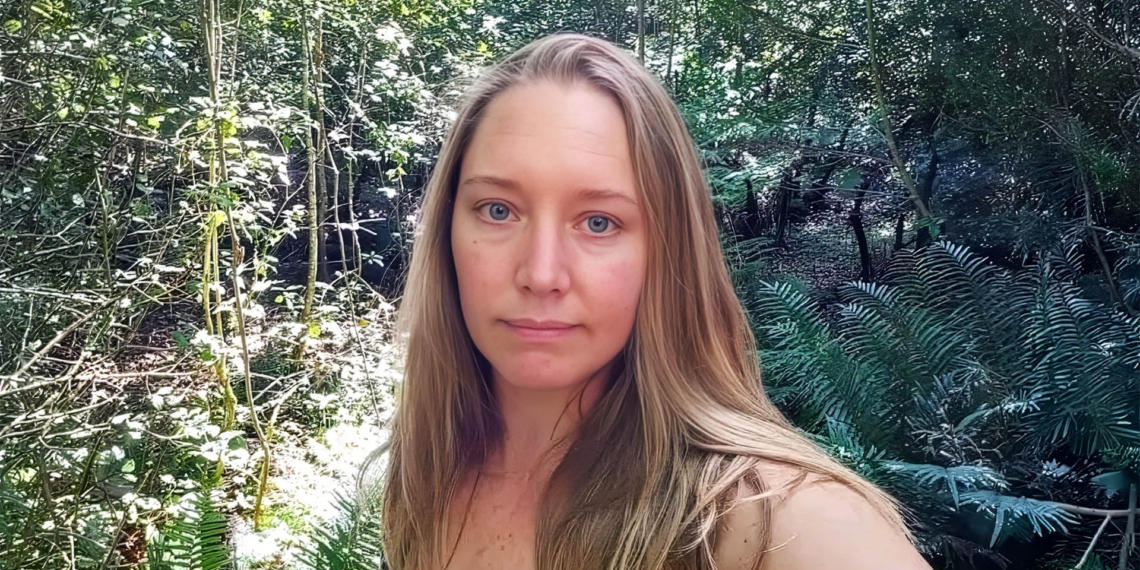
Forestry expert Robyn Hills discusses growing trees, choosing suitable species and seeing the business opportunities beyond timber. Photo: Supplied/Food For Mzansi

Forestry expert Robyn Hills discusses growing trees, choosing suitable species and seeing the business opportunities beyond timber. Photo: Supplied/Food For Mzansi

Share on FacebookShare on TwitterShare on WhatsApp

Trees do far more than provide shade, bear fruit, or support medicinal plants and vegetables. In Mzansi, we are fortunate to have rich soil and land to accommodate a wide variety of trees that sustain our ecosystems and drive entire industries.

From the furniture in our homes to the stationery on our desks, timber plays a massive role in everyday life, making forestry a lucrative venture for anyone interested in entering the sector.

Robyn Hills, head of programmes at Food and Trees for Africa, shares valuable insights with farmers on what the forestry business truly looks like.

For someone who wants to start growing trees, where do they begin, and what land, soil, and climate conditions should they assess first?

Robyn Hills: Start with observation and ecological design rather than rushing to plant. Before choosing a single tree, assess your land’s microclimate, water availability, wind patterns, and soil health (drainage, depth, and organic matter).

Instead of forcing trees into degraded land with heavy chemical inputs, use trees as living infrastructure to heal the site:

  • Build soil first: Pioneer and nitrogen-fixing trees can mine deep minerals and drop nutrient-rich leaf litter, restoring degraded topsoil and improving water infiltration.
  • Design for climate resilience: Map prevailing winds and slopes so tree lines act as windbreaks, reducing crop water loss by up to 30%, while their root networks anchor soil against erosion and recharge groundwater.

Related stories
  • Trees: More than shade – a climate change ally
  • Sappi and Agricolleges partner for affordable forestry training
  • New Sappi centre in KZN powers youth skills in forestry
  • World of wood: Discover forestry’s treasures from trees to tech

How does a grower decide which tree species are suitable for their area while balancing ecological health and market needs?

The smartest approach is “right tree, right place, multiple functions”. Rather than planting monoculture timber blocks, which are vulnerable to pests, fire, and long wait times before any financial return, select indigenous and locally adapted species that thrive in your specific rainfall zone and serve both the ecosystem and the farmer:

  • Prioritise multi-purpose value: Choose species that offer wind protection, pollinator habitat, livestock fodder, or soil regeneration alongside commercial outputs.
  • Match species to continuous yields: In Southern Africa, trees like wild olive, kei apple, moringa, or hardy fruit and nut varieties provide annual harvests, medicinal bark/leaves, and cultural value while remaining standing.

What are the main costs, resources, and support structures needed to move from planning to a viable tree-growing enterprise?

The biggest upfront investment isn’t expensive machinery; it is water security, site preparation (compost and mulch), fencing/protection from livestock, and patience.

Unlike annual crops, trees require a multi-year establishment horizon, though agroforestry shortens the path to viability:

  • Returns: While pure timber takes 10–25+ years to yield income, intercropping fast-maturing fruit trees, medicinal herbs, or cash crops between young trees generates revenue within 1 to 3 years.
  • Guidance: Emerging growers should connect with local agroforestry NGOs, conservation networks, municipal extension officers, and nursery cooperatives rather than navigating commercial forestry models alone. These networks often provide training, propagation support, and access to green financing or CSI partnerships.

What markets are available for tree growers beyond conventional timber, and how can small-scale growers access them?

Timber treats a tree as a single-use commodity harvested once, whereas diversified tree enterprises create multiple revenue streams from a standing asset:

  • Food and orchard markets: Fresh fruit, nuts, and dried produce sold into local markets, school feeding schemes, or regional processors.
  • Non-timber forest products (NTFPs): Honey production from indigenous blossoms, medicinal plant value chains, essential oils, natural dyes, and seed harvesting for restoration nurseries.
  • Ecosystem and corporate partnerships: As soil restoration and carbon sequestration gain urgency, small-scale growers can increasingly access corporate social investment (CSI), carbon-insetting programs, and biodiversity grants by aggregating through farmer cooperatives.

What are the biggest mistakes new growers make, and what advice would you give young people or small-scale farmers entering this space?

The most common mistakes are planting monocultures, neglecting post-planting care (especially watering and livestock protection in the first two years), and viewing trees purely as timber. Many projects fail because trees are planted in isolation without soil preparation or community buy-in.

My advice to young people and emerging farmers is that you don’t just think like a timber logger; think like an ecosystem manager. A standing, multi-purpose tree pays “rent” every single year through wind protection, healthier soil, livestock shade, medicine, and fruit.

Start small, focus on indigenous and multi-use species that build resilience on your farm, and build a business where your ecological capital grows stronger every season.

READ NEXT: Business-first mindset drives success for EC mohair farmers

Red stylized leaves resembling flames enclosed in a rounded, irregular red border on a white background.

Sign-up for the latest agricultural news delivered straight to your inbox every day with Mzansi Today!

Add FFM on Google Follow FFM on Google News

Vateka Halile

Vateka Halile grew up in rural areas of Cofimvaba in the Eastern Cape. She was raised in a traditional family setting and found writing to be a source of comfort and escape. Vateka participated in an online citizen journalism course through Food For Mzansi, and her passion for health and medicine-related stories was born. Her dedication to community work and love for social justice and solidarity spaces is evident in her quality time with the community when she isn't working.

Tags: Food and Trees For AfricaInform meTrees
Rooibos industry targets global growth while protecting local roots
News

African markets offer fresh growth opportunities for SA rooibos

by Staff Reporter
21st November 2026

South African rooibos is finding a growing audience closer to home, with countries like Botswana, Zimbabwe, and Namibia leading regional...

Read moreDetails
A woman wearing a straw hat, glasses, and gardening gloves stands in a large field of leafy green crops under a blue sky.

Supplying Joburg Market: Phumla Qwabe grows her next chapter

20th November 2026
How Alkelp is turning seaweed into biostimulants that deliver value on the farm

How Alkelp is turning seaweed into biostimulants that deliver value on the farm

20th November 2026
A broad, plowed farm field stretches toward a distant tree line under a bright blue, partly cloudy sky.

Climate risk is business risk: How farmers can prepare for El Niño

20th November 2026
Why South Africa’s wheat industry is under investigation

Eight-year harvest low threatens survival of SA wheat farms

20th November 2026

Climate risk is business risk: How farmers can prepare for El Niño

How Alkelp is turning seaweed into biostimulants that deliver value on the farm

African markets offer fresh growth opportunities for SA rooibos

Business-first mindset drives success for EC mohair farmers
Tulbagh Cannery closure leaves WC farmers fighting for fair terms

Join Food For Mzansi's WhatsApp channel for the latest updates!

JOIN NOW!
Next Post
Top matric achiever skips varsity to build thriving farm from scratch

Top matric achiever skips varsity to build thriving farm from scratch

THE NEW FACE OF SOUTH AFRICAN AGRICULTURE

With 21 global awards in the first six years of its existence, Food For Mzansi is much more than an agriculture publication. It is a movement, unashamedly saluting the unsung heroes of South African agriculture. We believe in the power of agriculture to promote nation building and social cohesion by telling stories that are often overlooked by broader society.

South Africa’s job crisis: Why the agricultural sector is bleeding

Boshof Solar Power backs three-year emerging farmer programme

Why seasonal rainfall averages don’t guarantee maize yields

Top matric achiever skips varsity to build thriving farm from scratch

Beyond timber: How farmers can profit from multi-purpose trees

This week’s agri events: 23 – 27 November

  • Awards & Global Impact
  • Our Story
  • Contact Us
  • Cookie Policy
  • Privacy Policy
  • Copyright

Contact us
Office: +27 21 879 1824
News: info@foodformzansi.co.za
Advertising: sales@foodformzansi.co.za

Contact us
Office: +27 21 879 1824
News: info@foodformzansi.co.za
Advertising: sales@foodformzansi.co.za

  • Awards & Global Impact
  • Our Story
  • Contact Us
  • Cookie Policy
  • Privacy Policy
  • Copyright

Chat Options

About this assistant

This feature generates automated answers summarised from Food For Mzansi articles. By using it, you are interacting with an AI system (provided by Google), not a human. AI can make mistakes. Please refer to the source articles for verification and citation purposes.

Our staff do not check or moderate Lerato’s answers in advance, but may review some later. Our journalists continue to write and edit all the articles Lerato uses as sources.

To estimate unique and returning web users, we store a random browser ID in this browser. WhatsApp users are counted by phone number. The same person using both channels may be counted twice.

I'm Lerato, your AI assistant!
No Result
View All Result
  • News
  • Changemakers
  • Lifestyle
  • Farmer’s Inside Track
  • Food for Thought

Copyright © 2026 Food for Mzansi