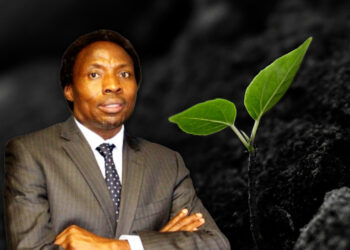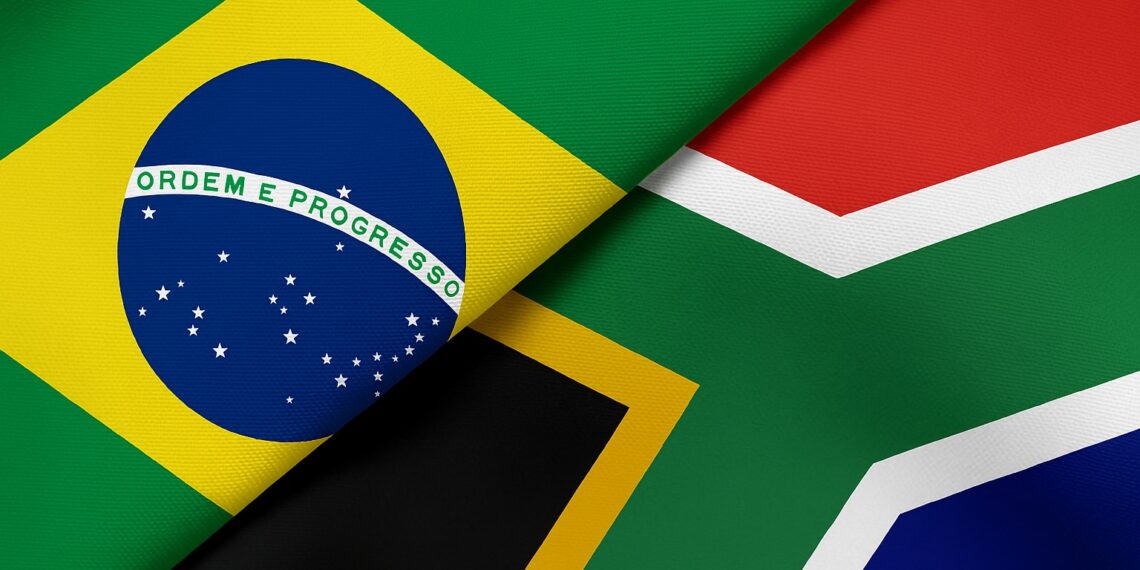
Benedicto Fonseca Filho, Brazil’s ambassador to South Africa, addresses concerns raised by Food For Mzansi, reaffirming Brazil’s strict food safety standards, ethical practices, and strong trade partnership with South Africa.
Brazil is proud to be the world’s largest exporter of chicken, reaching more than 170 countries. This position was earned through decades of significant investment in advanced technology, stringent sanitary controls, and a commitment to meeting the diverse demands.
Our poultry industry operates under the highest standards and an internationally recognised regulatory framework, employing the most rigorous inspection protocols from farm to fork.
The Brazilian Sanitary Inspection System is recognised all over the world as a benchmark for this industry, a proof of that being the fact that the measures undertaken by our national authorities in response to the outbreak of bird flu in a single identified unit in one of the more than 25 000 Brazilian farms were acknowledged by the World Organisation for Animal Health (WOAH), as well as by the national regulating agencies of most of our main partners, leading to the resumption of our poultry exports.
Actually, Brazil’s poultry production adheres to the strictest international sanitary standards established by the WOAH and the Codex Alimentarius.
Brazil consistently seeks to modernise and streamline its inspection and certification processes, in alignment with the best practices and in full cooperation with importing countries, as is the case with South Africa.
Our national animal health programs include robust monitoring and control measures for pathogens like Salmonella. Any detected non-conformities are immediately addressed with corrective actions, and export protocols are adjusted to ensure the safety of our products.
Our track record with multiple international markets, including the European Union, attests to the effectiveness of these controls.
Although regrettable, the cocaine smuggling incident mentioned in the article represented an isolated act of criminality vehemently condemned by the Brazilian government.
Our national authorities work in close and permanent collaboration with international law enforcement agencies, including those in South Africa, to prevent the occurrence of any illegal activity that might affect the integrity of our logistics chains.
Related stories
- Brazil cleared of bird flu, SA reopens poultry imports
- High tariffs: When chicken costs more, children pay the price
Upholding food integrity and ethics
The safety and quality of our food products remain, therefore, uncompromised by criminal activities, which are entirely disconnected from the legitimate food production and the export industry.
In the same vein, it must be clarified that “Operation Weak Flesh” (“Operação Carne Fraca”) undertaken in 2017 was an investigation initiated and conducted by the Brazilian authorities, in a further demonstration of our commitment to ensure transparency and to combat corruption.
This operation led to comprehensive reforms, including enhanced inspection protocols, stricter penalties for non-compliance, and increased transparency across the entire production chain. We emerged from this period with a stronger, more resilient, and more accountable food safety system, which continues to undergo continuous improvement.
On the other hand, Brazil has developed a comprehensive legal framework for combating forced labour and ensuring dignified working conditions and has been unwavering in its efforts to identify, investigate, and punish any instances of forced labour.
Our labour inspection agencies conduct regular audits, and companies found in violation face severe penalties.
While isolated and not “endemic”) cases may unfortunately occur in any large industry, they do not reflect the standard practices or the commitment to ethical labour across all productive sectors, including the agricultural sector.
Brazil is also firmly committed to the fight against illegal deforestation, particularly in critical biomes such as the Amazon.
Our government has implemented robust monitoring systems and enforcement actions to ensure compliance with environmental laws.
We actively promote responsible agricultural practices and encourage traceability within supply chains to prevent any link between our exports and illegal deforestation.
SA is key trade partner
South Africa is a very important market for Brazilian poultry exports. Our sales consist mostly of inputs to the local meat processing industry; it contributes to the creation of jobs and to generation of revenue in South Africa.
Moreover, the chicken meat imported from Brazil is one of the most affordable sources of high-quality protein available to low-income populations in South Africa, a supply that otherwise would not be possible to be met with local production alone at current costs.
We remain open to continuous dialogue and collaboration with South African authorities and stakeholders to ensure the highest standards of food safety and consumer confidence.
While we appreciate the monitoring and oversight by consumer rights’ advocates and food safety activists as part of a robust dialogue aimed at fostering trust and ensuring the highest standards in international trade, we deplore the sensationalist tone adopted by the article, that does not contribute to genuinely promote food safety or the broader interests of South African consumers.
Finally, let me reiterate that Brazil fully acknowledges and respects South Africa’s prerogative to conduct its own inspections and implement its import regulations to which we will always adhere to cooperate towards its fulfilment.
In that sense, we reaffirm our commitment to engage in any discussions around optimising certification procedures, in particular, on the basis of mutual trust and our shared commitment to food safety and to the protection of consumers’ health and safety.
- Benedicto Fonseca Filho is Brazil’s ambassador to South Africa. The views and opinions expressed in this article are those of the author and do not necessarily reflect the views or positions of Food For Mzansi.
READ NEXT: SA youth till fresh ground in Brazil farm exchange