Wednesday, July 1, 2026
SUBSCRIBE
22 GLOBAL MEDIA AWARDS
Food For Mzansi
  • News
  • Changemakers
  • Lifestyle
  • Farmer’s Inside Track
  • Food for Thought
No Result
View All Result
  • News
  • Changemakers
  • Lifestyle
  • Farmer’s Inside Track
  • Food for Thought
No Result
View All Result
Food For Mzansi
No Result
View All Result
in Advertorial

How to protect sunflower yields from heat stress and drought

by Lisakanya Venna
4th December 2025
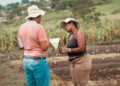
Corné van der Westhuizen, Pannar Seed agronomist, shares insights on managing abiotic stress in sunflowers. Photo: Gareth Davies/Food For Mzansi

Corné van der Westhuizen, Pannar Seed agronomist, shares insights on managing abiotic stress in sunflowers. Photo: Gareth Davies/Food For Mzansi

Share on FacebookShare on TwitterShare on WhatsApp

Sunflower farming faces growing challenges from drought, heat, and other environmental stresses. Pannar agronomists support farmers by combining in-depth research, field trials, and expert advice to optimise hybrid selection and planting times.


Farming today demands more than just good seeds; it requires smart strategies to tackle challenges like drought, heat, and low humidity. Corné van der Westhuizen, a product agronomist with Pannar Seed’s Western production region, brings 20 years of expertise to help farmers understand how abiotic stress affects sunflowers. 

Drawing on his experience working with farmers, sales teams, and product demonstrations, Van der Westhuizen underscores the importance of hybrid selection and optimal planting times. These decisions, he explains, are crucial to maintaining yield and oil quality, empowering farmers to succeed under increasingly variable climate conditions. 

To understand why these management decisions matter, it’s important first to grasp what abiotic stress is and how it impacts sunflowers. 

What is abiotic stress, and how does it affect sunflowers?

Van der Westhuizen, who holds a BSc Agric. and honours from the University of the Free State, defines abiotic stress as non-living environmental factors or the combination of environmental factors like drought, heat and low humidity. 

These types of stress disrupt sunflower morphology (structure) and physiology (processes) – reducing cell division, leaf area index, and photosynthesis – which ultimately leads to lower grain yield and oil content. 

“Sunflower (Helianthus annuus L.) plays a crucial role in South African agriculture due to its adaptability to a wide range of climatic, soil, and management conditions. It is valued for its high oil and protein content, making sunflower an essential source of both food and industrial oil. 

“Sunflowers’ deep-rooted growth habit allows them to tolerate moderate drought, which is particularly important in regions prone to seasonal drought. This resilience makes sunflowers a reliable crop for farmers seeking stability in yield and quality, even under challenging environmental conditions,” he explains. 


Related stories
  • Pannar Seed’s Panagri tool turns farm data into profitable action
  • Maize hybrid selection: What every farmer should know
  • How to farm with sunflowers in Mzansi
  • Podcast: Heat stress help for crop farmers 

The primary abiotic stresses impacting sunflowers are the combination of drought, heat and low humidity, especially during sensitive developmental stages such as flowering and grain-filling. 

These stresses, Van der Westhuizen adds, can disrupt plant processes, affecting nutrient uptake and availability, photosynthesis, and ultimately components that determine yield and quality.

“Sunflowers are moderately drought-tolerant, but prolonged or severe drought and high temperatures can significantly reduce their productivity and oil quality.” 

Managing heat stress and drought 

He says drought and heat stress lower the plant’s relative water content (RWC), causing stomata closure that reduces CO₂ uptake and transpiration. This leads to chlorophyll degradation, resulting in pale leaves and diminished photosynthetic efficiency. 

The reduction in leaf area index (LAI) further limits the plant’s capacity to photosynthesise, which is essential for production and growth. These disruptions collectively result in reduced grain yield, lower grain weight, and fewer grains per head.

Effective management practices include careful hybrid selection and optimal planting date determination. These strategies help manage the Genotype x Environment x Management (GxExM) interaction and can potentially reduce the crop’s exposure to stress during sensitive developmental stages. 

By selecting locally tested and adapted hybrids and timing planting to avoid peak stress periods, farmers can improve yield, yield stability and oil quality even under challenging environmental conditions.

READ NEXT: Value-added farming: Build a high-profit, sustainable business

Sign-up to Farmer's Inside Track for the best farming tips, news and advice to thrive!

Lisakanya Venna

Lisakanya Venna is a junior journalist and content coordinator with varied multimedia experience. As a CPUT journalism alumni, she finds fulfilment in sharing impactful stories and serving as a reliable source of information.

Tags: drought-resistant cropsFuture-focused farmerPannarsunflowersTeach me
This week’s agri events: 29 June – 03 July
News

This week’s agri events: 29 June – 03 July

by Tiisetso Manoko
29th June 2026

Agricultural events to look forward to include a plant production course from Agri Skills Transfer, and save the date for...

Read moreDetails

How RDP house rooftops can help solve SA’s hunger crisis

28th June 2026
The Karoo Winter Wool Festival celebrates the region's rich wool heritage with engaging exhibits, local producers, family entertainment and agricultural conversations. Photo: Supplied/Food For Mzansi

Karoo Winter Wool Festival brings wool, food and big ideas

27th June 2026
Farming and conservation unite to empower Hammanskraal youth

Farming and conservation unite to empower Hammanskraal youth

27th June 2026

What we’re missing in regenerative farming: A new way to learn

27th June 2026

Matjee Mokgoadi is turning Limpopo farming into serious business

Northern Cape youth lead the fight against water scarcity

How farmers can use weather technology to adapt to climate risks

Schooled by the soil: Zondi’s passion for indigenous plant science

Agri sector on edge as anti-immigration ultimatum looms

Join Food For Mzansi's WhatsApp channel for the latest updates!

JOIN NOW!
Next Post
World Soil Day shines light on degraded farmland

World Soil Day shines light on degraded farmland

THE NEW FACE OF SOUTH AFRICAN AGRICULTURE

With 21 global awards in the first six years of its existence, Food For Mzansi is much more than an agriculture publication. It is a movement, unashamedly saluting the unsung heroes of South African agriculture. We believe in the power of agriculture to promote nation building and social cohesion by telling stories that are often overlooked by broader society.

How farmers can use weather technology to adapt to climate risks

South African Agricultural Awards 2026: Enter now

Why Steenhuisen’s fall from agriculture was a failure of trust, not politics

Climate-smart farming offers path to long-term resilience

Reject xenophobia, restore South Africa’s promise

Simangele turns school lease into retail-supplying agribusiness

  • Awards & Global Impact
  • Our Story
  • Contact Us
  • Cookie Policy
  • Privacy Policy
  • Copyright

Contact us
Office: +27 21 879 1824
News: info@foodformzansi.co.za
Advertising: sales@foodformzansi.co.za

Contact us
Office: +27 21 879 1824
News: info@foodformzansi.co.za
Advertising: sales@foodformzansi.co.za

  • Awards & Global Impact
  • Our Story
  • Contact Us
  • Cookie Policy
  • Privacy Policy
  • Copyright

Chat Options

I'm Lerato, your AI assistant!
No Result
View All Result
  • News
  • Changemakers
  • Lifestyle
  • Farmer’s Inside Track
  • Food for Thought

Copyright © 2024 Food for Mzansi

This website uses cookies. By continuing to use this website you are giving consent to cookies being used. Visit our Privacy and Cookie Policy.