Bureau Veritas, a global front-runner in testing, inspection, and certification, announced the successful implementation of a solar power and backup energy project at its AgriFood Laboratory in Cape Town. This ground-breaking initiative enables the laboratory to function independently of South Africa’s national electricity grid.
The move marks a significant stride in Bureau Veritas’s commitment to sustainability and environmental responsibility. By embracing solar and backup energy, the AgriFood Laboratory ensures continuous, uninterrupted operations while significantly reducing carbon emissions.
Joanne Barton, managing director of Bureau Veritas AgriFood Laboratories, expressed enthusiasm about the transition to solar power, stating, “Our shift to solar energy has invigorated our team in Cape Town. The reliability of our new system allows us to serve our clients round the clock, ensuring seamless operations and contributing to a brighter, more sustainable future for our community.”
Sustainability is crucial
Gavin Hefer, district chief executive for Southern Africa at Bureau Veritas, commended the AgriFood Lab team for their contribution to the project. He emphasised the importance of reducing the company’s carbon footprint while enhancing service delivery.
“Operating sustainably and responsibly is crucial. We are committed to relieving the national grid of pressure while maintaining uninterrupted services for our clients,” Hefer remarked.
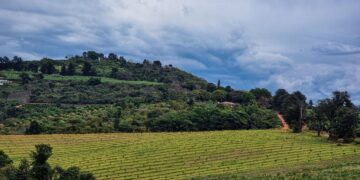
Located in Brackenfell in Cape Town, Bureau Veritas’ AgriFood Laboratories, an ISO 17025:2017 SANAS accredited facility, caters to a diverse range of industries. Serving the Western Cape’s industrial centres, winelands, agricultural regions, and associated value chains, the laboratory supports sectors spanning fruit orchards, wheatlands, rooibos fields, and more, covering the entire coastal region.
READ NEXT: Mzansi uncorks month-long wine heritage bash
Sign up for Mzansi Today: Your daily take on the news and happenings from the agriculture value chain.