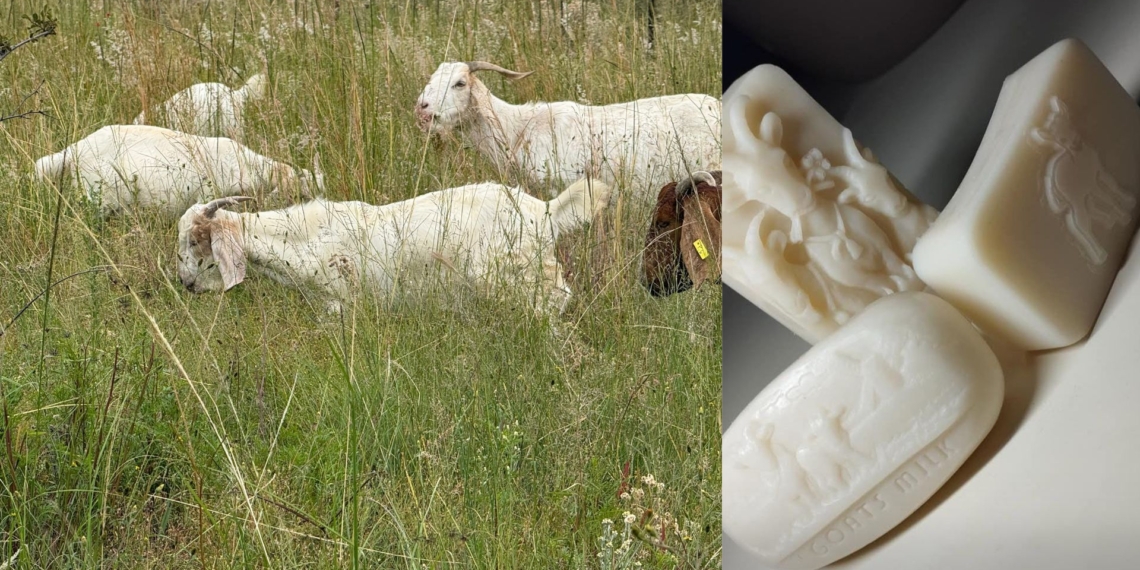
Goat milk has been part of South African households for a long time. Even though it is no longer consumed daily, goat milk still does well in business, especially in cosmetics and other value-added products.
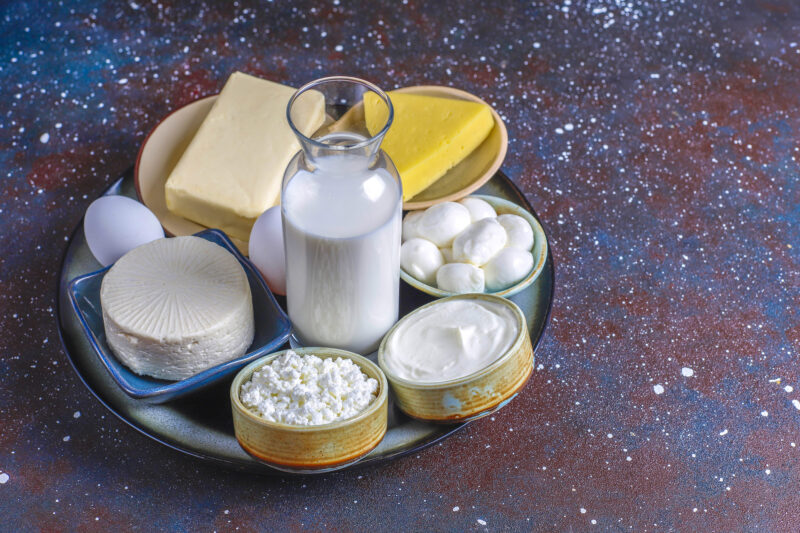
These days, it can be processed into amasi, yoghurt, kefir and cheese. Goat milk is also often chosen by people with lactose intolerance.
Producing good-quality goat milk, however, depends on the right goat breed and proper care.
Tshwarelo Mtimkulu has built his goat milk enterprise around a simple business principle: producing more value from fewer inputs by using animals suited to local conditions.
After completing matric, he studied at the Potchefstroom College of Agriculture and later gained experience with industry leaders such as the Sernick Group, giving him both formal training and practical knowledge to make informed decisions.
Related stories
- Building a goat milk brand: The rise of Asante Saanen
- Hardy goats and hard work are Njabulo’s recipe for success
- Goats, gumboots & grit: Zanele grows hope in Hammanskraal
Milk vs. meat
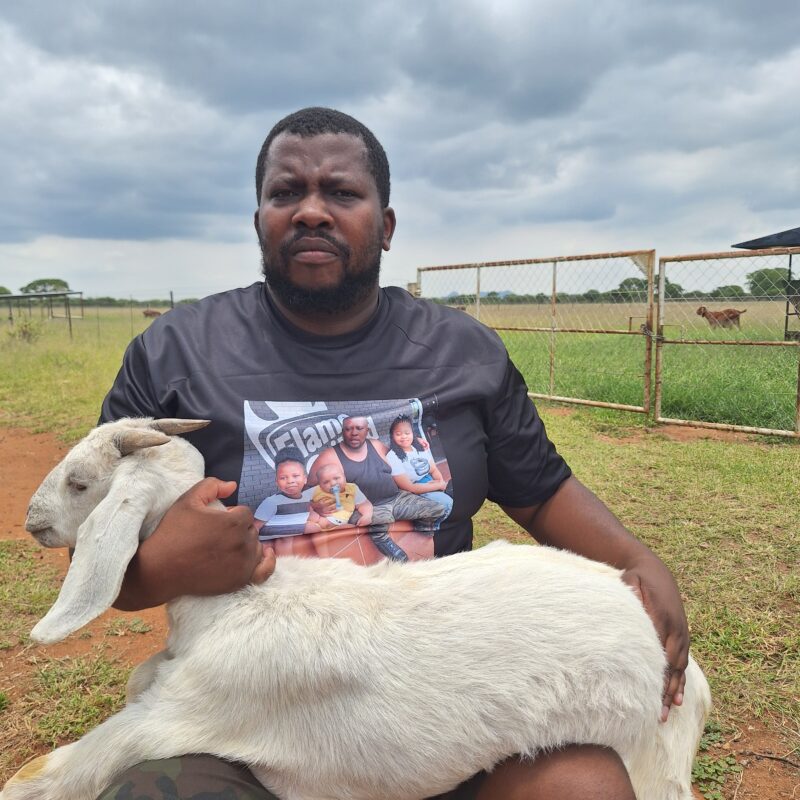
Now farming livestock in Limpopo, Mtimkulu says their production system is centred on Saanen and Boer goat F1 crosses. The decision, he explains, is driven by economics rather than sentiment.
While pure Saanen goats are known for high milk yields, they perform best in cooler climates and would struggle in hotter regions without additional feed, medication, and shelter, Mtimkulu explains. Those extra inputs quickly drive up production costs.
“The cross produces less milk than a pure Saanen, but more than a Boer goat, and it also gives better meat yield,” Mtimkulu says.
“That balance allows us to earn from both milk and meat.”
Tshwarelo Mtimkulu
He notes that the dual-purpose system creates two income streams. Bucklings, or young male goats, are placed in a feedlot to supply the meat market, as dairy breeds typically have low carcass value.
Value-added products and challenges
To control costs, Mtimkulu manages his milk-producing goats under a high-density grazing system with movable Nemtek electric fencing, shifted every two to four days depending on stocking density. This improves pasture utilisation and reduces reliance on supplementary feed.
Milk from the herd is processed into value-added products, such as cheese and soap, rather than sold as raw milk. Each goat produces 1.6 to 2 litres per day.
“Processing improves margins and reduces reliance on raw milk sales, which can be difficult to place in formal markets,” he says.
“Goat milk attracts a premium price per litre compared to cow’s milk. It is also easier to digest and higher in nutritional value, particularly for people with sensitive stomachs. But the biggest benefit for me is that you can produce more milk with fewer inputs on a smaller scale compared to dairy cattle.”
Land use efficiency is key. With 24 hectares and a grazing capacity of six hectares per large stock unit, he says 12 productive goats can generate higher returns than four cows.

Despite the advantages, challenges remain. He explains that formal market entry is capital-intensive, equipment is costly, and skilled labour is essential.
“The more value-added operations you run on the farm, the more people you need,” he says.
Best goat breeds for milk production
All goats have the capacity to produce milk, but for production purposes, Saanen, Toggenburg, and British Alpine are the best, says Masixole Maswana, a production scientist at Tutimomo Agricultural Enterprise in Limpopo.
“The Saanen breed is widely utilised primarily due to its udder’s ability to produce milk.”
Masixole Maswana
He says the types of products that can be made from goat milk include white milk, condensed milk, cheese, butter, and yoghurt.
For someone looking to venture into this niche, Maswana advises beginning by locating dairy goat farmers or breeders, utilising social media platforms in your vicinity and in all accessible regions.
Before making a purchase, he recommends visiting these farms to observe their facilities and familiarise yourself with their management practices.
Establish the necessary infrastructure, then acquire the goats from various farmers or breeders. Set your daily milk production goals, determine the number of goats required to meet those goals, and assess the amount of feed necessary.
“Goat milk experiences lower demand, potentially leading to higher production costs for goat farmers if the milk and its products remain unsold.”
‘Niche but promising’
Thabile Nkunjana, a senior agricultural economist with the National Agricultural Marketing Council’s (NAMC) trade research unit, says societies or organisations such as Kalahari Red, Savanna, or the Boer Goat Breeders Society currently control the country’s goat industry.
“They would be a terrific resource for anyone looking to launch a small goat-related business, whether it be for milk or meat,” Nkunjana adds.
He explains that this support can help prevent problems that often hinder farmers’ success, particularly smallholders, such as mortality rates, inadequate management, poor housing infrastructure, bad grazing practices, market challenges, safety standards, and veterinary care.
Saanen goat milk, Nkunjana says, is among the best in the world, yielding up to four litres per day. It is mostly used to make cheese and yoghurt, among other dairy products.
“Saanen milk and all goat milk are considered a niche product in South Africa, since cow milk dominates the country’s dairy industry.”
He further explains that consumers of goat milk include those who are intolerant to cow’s milk or who enjoy goat milk for its additional health benefits and unique taste.
For Saanen goat producers, he advises focusing on value addition or processing to improve market access, though selling raw milk remains an option.
READ NEXT: Goat farmer breeds excellence with farming academy in KZN