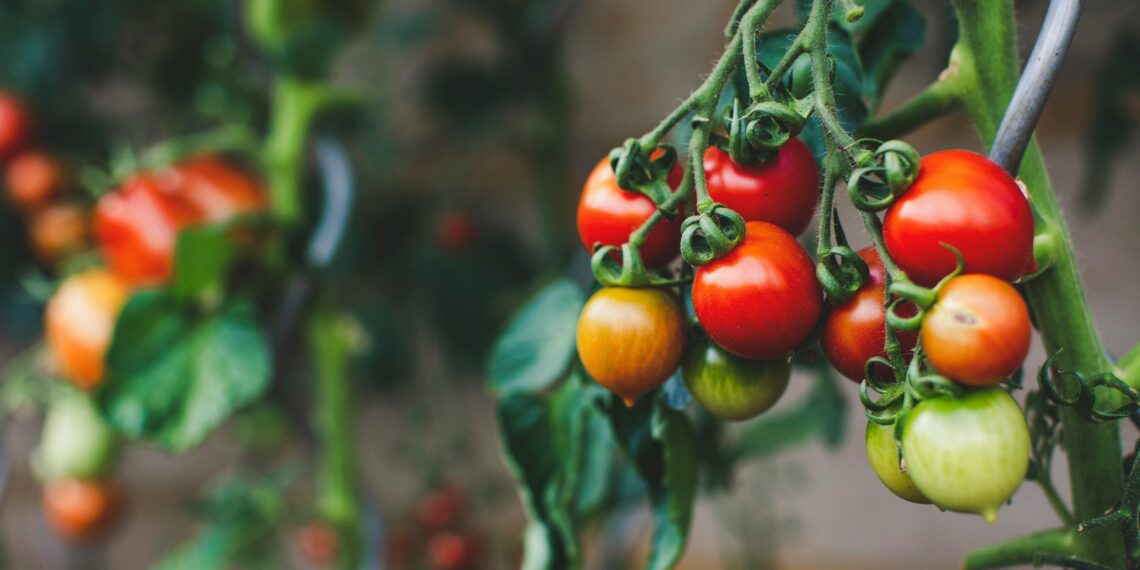
South African consumers have felt the strain of increasing tomato prices in 2024. According to industry stakeholders, unpredictable weather conditions have impacted product demand, leading to the inevitable price increase.
Western Cape crop farmer Byron Booysen has become weary of the tomato industry, owing his concerns to the varieties in tomato prices and climate change. He explains why he has reduced tomato farming in the last two seasons.
Flooding and drought challenge tomato farmers
According to Booysen, the agri-producers are not necessarily prioritising tomato production because of the weather patterns.
“The weather is unpredictable, either too much rain or less rain, but it is not the only issue. It is also about the disease resistance in the plant in erratic temperatures and weather patterns around it.

“That is why the quality of the tomatoes in the market is not good at the moment and for me as a farmer, it is very difficult to plan and dictate how much I will get from the crop and what the price is, even if it is a high-quality product,” he said.
Meanwhile, Tomato Producers Organisation marketing manager Clive Garrett shared his concerns about the unfriendly weather conditions affecting tomato production in the country.
“We had floods about ten weeks ago and the late rains as well caused by the heatwave in the north part of the country and other weather disruptions as well. The problem is weather-related in terms of excessive heat and in terms of the storms we had in the Cape as well.

“Tomatoes are a staple food in South Africa because everyone eats them with a lot of meals and what happens with the price of tomatoes is that it is discovered based on supply and demand,” he said.
How farmers are affected
According to Garrett, when the demand stays stable and the supply drops because of weather-related issues, the price will go up.
“This is simply because there are a lot of people who are demanding the same amount of tomato but the supply is low. That will force the price to go up,” he said.
He added that if it is too hot or too cold or if there is too much rain or less rain, then the supply is immediately affected and the price of tomatoes will change throughout the year depending on the supply. If there is an oversupply, then the price will come down, but if not, it is likely to increase.
“At the moment I think farmers are still holding their heads above water, but generally farming conditions in South Africa are challenging. But our farmers are very resilient and we make a plan, put our heads down, and work harder and we’ll get through it.
“The increase and decrease cycles in tomato farming are common and a farmer needs to learn to take the good with the bad. At the moment demand is a bit of a struggle for farmers at the moment. It is a cycle we are going through at the moment and I am confident that we will get through it,” Garrett said.
READ NEXT: Beyond the farm: Seize untapped potential in agro-processing
The current state of the tomato industry
Managing director of AM Trends Johnny van der Merwe shared that tomato prices increased by 9% last week and averaged R18.93 per kilogram, which is now 63% higher than a year ago.

“Difficult production conditions limited supplies to the markets, resulting in these high prices and we are also in a production gap as well. It is also increasingly more difficult to produce tomatoes as some of the pests and insects are starting to build resistance to the pesticides.
“It is limiting production potential and profitability and making it really difficult to produce on a sustainable basis, especially for the smaller producers. As a result, we are seeing about 5% lower production levels year on year and 19% lower than two years ago,” he explained.
Van der Merwe said the country is currently on similar levels compared to April 2021.
ALSO READ: Expect higher-priced tomatoes in near future
Sign up for Mzansi Today: Your daily take on the news and happenings from the agriculture value chain