With this year’s event, dubbed “the Africa Cop”, taking place on African soil for the first time since 2011, Cop27 is a valuable opportunity to focus global attention on Africa’s vulnerability to rising temperatures, droughts, flooding, agriculture collapse, habitat and biodiversity loss and escalating conflict. It’s widely recognised that Africa, with mostly low-income countries, is particularly at risk of climate change impacts.
The annual Conference of the Parties (Cop) is a forum for country delegations to engage in days of negotiations and exchanges on global climate change issues. It’s the crucial moment to adopt positions, make new pledges and join new initiatives. For a country, or a continent, it’s the time to convince negotiators of their respective climate change impact needs and capabilities.
Climate change and its related impacts are the most significant threat to sustainable development in Africa. These changes are already being felt across key sectors and are set to affect many Africans, given the high dependence on natural resources and employment in climate-exposed sectors.
Holding 60% of the world’s arable land, and a diverse array of unique ecosystems with carbon-capturing ability, Africa is uniquely positioned to become a major player in global climate actions. The development of an African position – a set of key statements backed by evidence that highlights the current and future contexts for Africa as a vulnerable continent – to pitch at Cop27 will draw international policymakers’ attention, galvanising support and mobilising resources for the continent.
Importance of evidence
To win over negotiators at Cop, it’s essential to back a position with evidence. That’s where science comes in.
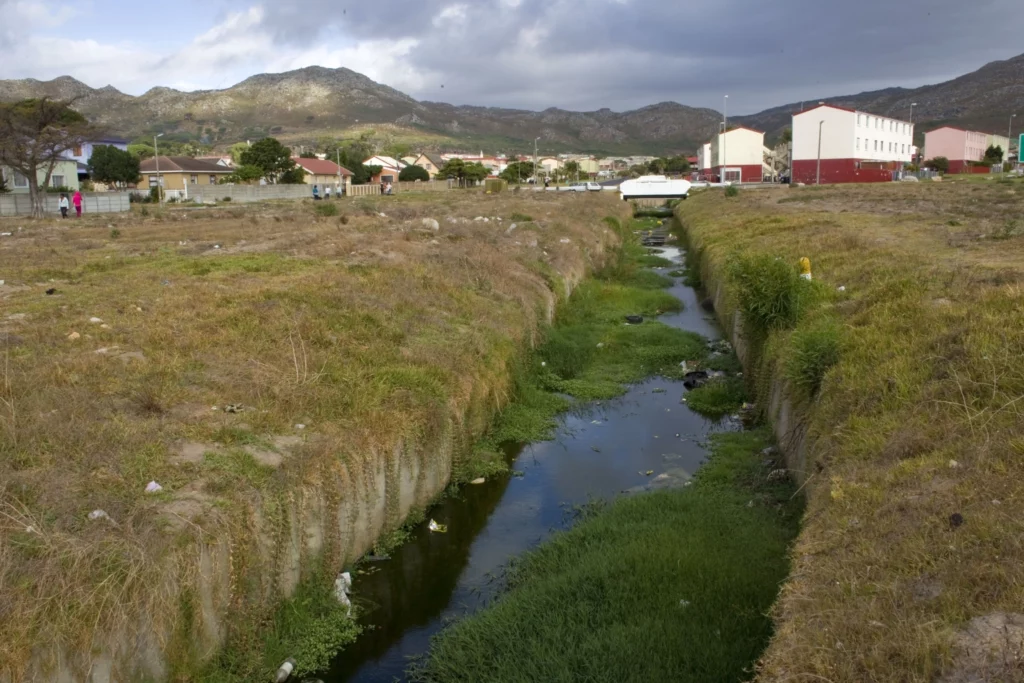
Researchers from Oppenheimer Generations Research and Conservation (OGRC) and its partner programme, Future Ecosystems for Africa (FEFA), have been reviewing existing knowledge on climate adaptation and mitigation actions and needs for Africa’s ecosystems on land and in oceans.
This work has culminated in two working technical reports – one focusing on the science of climate actions on land, and one on climate action policy in oceans – which will feed into the Africa position: the “Working Paper Report on Enhancing Climate Change Adaptation and Mitigation Actions on Land in Africa” and the “Integration of Ocean-Based Adaptation and Mitigation Actions into the Regional and National Climate Policies in Africa”.
Broadly speaking, here’s what they have to say:
Land report
Adaptation climate actions – steps taken to prepare for and adjust to the effects of climate change as well as those predicted in the future – are a critical focus for Africa, according to the report. The continent is highly vulnerable to the symptoms of climate change and must prepare for changes that are already under way.
According to the report, there is a danger that climate action, while having a positive effect on one part of a system, can also have unforeseen negative economic, societal or environmental consequences for another.
To increase positive effects while reducing negative outcomes, it is crucial that land-based climate actions are context-specific, meaning that they are tailor-made for the situation in which they will be implemented.
African solutions
For example, climate actions that work in other parts of the world, such as planting trees to capture and store carbon from the atmosphere, aren’t always a good fit for every unique ecosystem in Africa.
Speaking at a Tipping Points webinar in July, Mohammed Armani, lead author on the Land Working Paper said:
“Our unique position in Africa is that our biodiversity is not dependent on tree cover necessarily… so most of the climate actions that target soil or above-ground carbon won’t necessarily work for our biodiversity.”
In another conversation, Professor Laura Pereira, co-principal investigator at FEFA, said: “International NGOs that focus on this work need a much more nuanced approach.”
Instead of spending so much money on planting trees in savannas, which will not work, Armani suggested focusing on other issues such as energy provisioning in urban areas.
The report evaluated climate actions in mangroves, forests and grassland ecosystems according to their biodiversity, carbon and livelihood contributions, and examined the possible trade-offs in each system.
To avoid possible negative effects, a set of guiding criteria for land-based climate actions in Africa was developed. “One criterion in particular to emphasise is that actions must be based on a sound understanding of the ecology, structure and function of the targeted ecosystem,” said Armani.
Climate actions are not currently based on sound understandings and shared definitions of African ecological systems. “Despite this [need] being clearly stated in the literature, it’s not the case that most climate actions implemented do take this into consideration… although they expect to generally improve the functioning of the ecosystem,” he said.
“This is particularly important because most proposals for climate actions in Africa first come up with the idea that where these climate actions are going to be implemented are generally going to improve the functioning of the ecosystem.”
Agroforestry is one intervention that shows huge adaptation and mitigation potential across all ecological zones. The land management system that grows trees or shrubs among agricultural or pastoral land is backed by substantial evidence demonstrating its carbon, biodiversity and livelihood benefits.
Dr Duncan MacFadyen, head of research and conversation at Oppenheimer Generations, feels the opportunity to explore rewilding rangelands and focusing on below-ground soil carbon is a fantastic opportunity for Africa. Organisations such as Rewild Capital offer great promise.
Ocean report
“The ocean is both a victim and a solution to climate change,” said Dr Ibukun Adewumi, lead author of the Ocean Working Paper, at the Tipping Points webinar. By trapping CO2 and absorbing 90% of the excess heat caused by climate change, the ocean provides us with a climate service. However, its ability to do this is diminished by anthropogenic stressors.
The report’s comprehensive review of the integration of ocean-related climate actions in Africa identified the following policy and research needs: developing regulatory frameworks to increase ocean-based renewable energy, exploring the potential of seabed carbon storage, increased African investments into solar radiation management research, exploring opportunities to decarbonise ocean-based transport, and a platform for the exchange and transfer of indigenous knowledge and technology for climate change adaptation.
Proposed strategies in the Ocean Report heading into the Cop27 negotiations include:
African negotiators must consider the potential of African blue carbon in climate mitigation and request the Intergovernmental Platform on Climate Change (IPCC) to clarify the potential and risks of adopting geoengineering as a climate mitigation action in Africa.
Climate justice and human rights in ocean contexts must be included in nationally determined contribution discussions, tools to identify the best options for enhancing African country’s actions to tackle climate change must be mobilised, and the objectives of various international pacts and treaties, such as the Convention on Biological Diversity and the Biodiversity Beyond National Jurisdiction , must align. There must also be increased representation of African experts in UN Framework Convention on Climate Change working groups discussing ocean climate issues.
Increasing ocean resilience
The report says negotiators should call attention to the loss and damages Africa stands to face due to climate change, proposing an increased understanding of the financial costs and funding required to increase coastal resilience to these potential damages.
OGRC supports the fact that continued financing of projects and programmes to strengthen Africa’s coastal and marine ecosystem resilience is critical, as is the need to develop mechanisms for agile funding responses to the needs of these projects, the report says.
- This article was first published in Daily Maverick.
ALSO READ: Cop27: ‘Africa needs voices of change’
Sign up for Mzansi Today: Your daily take on the news and happenings from the agriculture value chain.