Friday, October 23, 2026
SUBSCRIBE
22 GLOBAL MEDIA AWARDS
Food For Mzansi
  • News
  • Changemakers
  • Lifestyle
  • Farmer’s Inside Track
  • Food for Thought
No Result
View All Result
  • News
  • Changemakers
  • Lifestyle
  • Farmer’s Inside Track
  • Food for Thought
No Result
View All Result
Food For Mzansi
No Result
View All Result
in News

How to protect poultry from damaging sticktight flea infestations

Sticktight fleas and mites can ruin your poultry flock’s health and drag down egg production. Learn how to identify symptoms, manage infestations, and protect your investment with these tips

by Vateka Halile
23rd October 2026
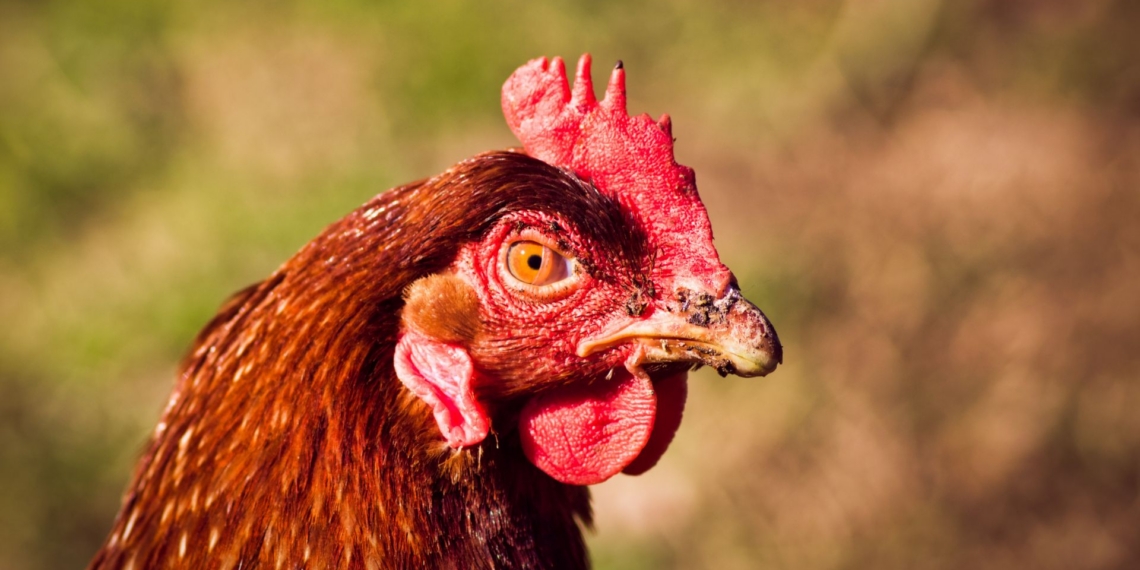
Poultry parasites, including sticktight fleas and mites, can affect chicken health and egg production, with severe infestations causing blood loss, poor body condition and, in some cases, death.
Photo: Pixabay

Poultry parasites, including sticktight fleas and mites, can affect chicken health and egg production, with severe infestations causing blood loss, poor body condition and, in some cases, death. Photo: Pixabay

Share on FacebookShare on TwitterShare on WhatsApp

Poultry farmers put time, money and effort into raising healthy chickens, but tiny parasites can put an entire flock at risk. Sticktight fleas may seem small, yet an infestation can leave birds restless, weaken them through blood loss and cause weight loss.

In severe cases, chickens can die, leaving farmers with costly losses. Knowing the warning signs and keeping poultry housing clean can help farmers catch infestations early and protect their flocks.

During his first experience as a poultry farmer about a year ago, Mphatso Sithole, founder of Mphatso Poultry Pty Ltd in Dobha Village, Kwaggafontein, Mpumalanga, noticed that his chickens were scratching themselves excessively, becoming less active and laying fewer eggs. 

The infestation also affected him, as his skin would start itching after spending a few minutes inside the chicken coop.

“I also observed that they were no longer laying as many eggs as they used to,” he said.
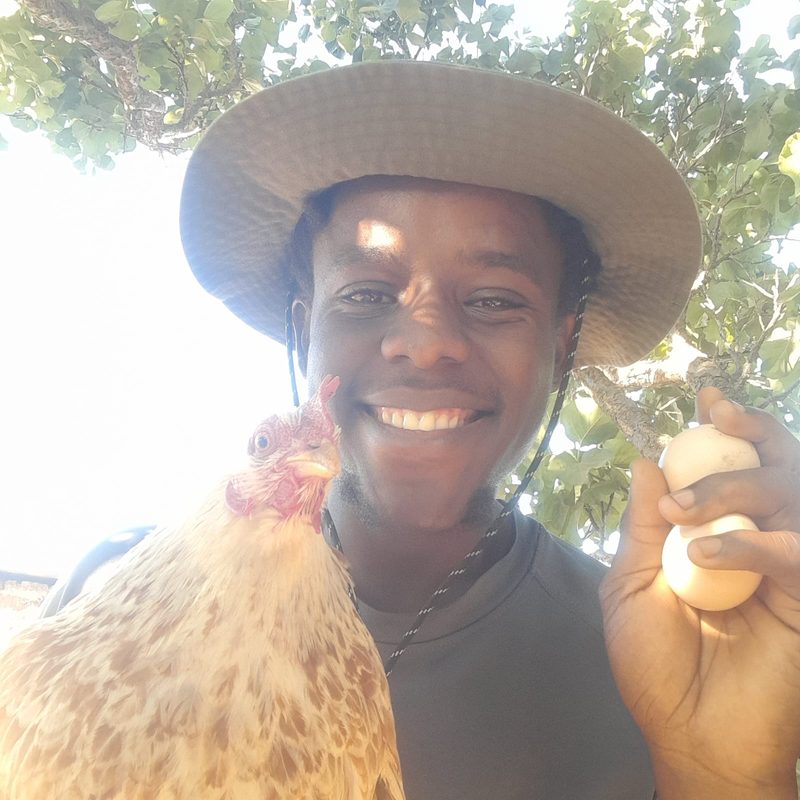
For Mphatso Sithole, spotting changes in his chickens’ behaviour and egg production prompted him to look for ways to manage the infestation. Photo: Supplied/Food For Mzansi

Sithole said he continues to use products available to him in an effort to keep the coop clean and prevent the parasites from returning. 

However, he warned that products intended for other uses can harm chickens if applied incorrectly. Farmers should only use treatments approved for poultry and follow the label instructions, seeking veterinary advice where necessary.

Impact of mites on poultry operations

During an in-service training at Jeff Chicken Shack in Bela Bela, Limpopo, in 2024, Xolelwa Mthetho witnessed the effects of poultry mite infestations, including broken eggs, falling production and increased chicken deaths. 

The farmer and founder of Kwande Poultry Farm in KwaNdungwana, Cofimvaba, Eastern Cape, said the experience showed her how mites can affect both the health of chickens and the quality of their eggs.

The parasites feed on chickens’ blood, causing stress, reduced feed intake, pale combs and restlessness. In laying hens, she adds that infestations can lead to fewer eggs, poor shell quality and more breakages.

Mthetho warns that bringing new birds onto a farm without quarantining them can put existing flocks at risk, even when farmers follow vaccination schedules and other biosecurity measures.
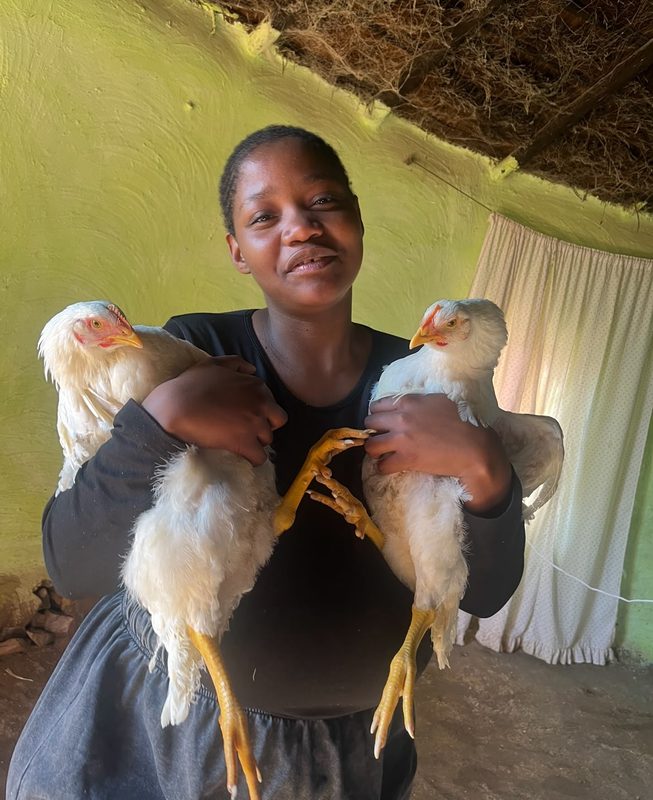
Xolelwa Mthetho witnessed the effects of poultry mite infestations during her in-service training at Jeff Chicken Shack in Bela Bela, Limpopo, in 2024. Photo: Supplied/ Food For Mzansi

“Because you could be doing everything possible as a farmer to keep your farm safe and following every vaccination schedule, but buying another batch without actually quarantining could be your downfall.”

Mthetho advised farmers to clean and disinfect poultry houses and nesting boxes regularly, remove old litter, keep housing dry and well ventilated, and check new birds for parasites before introducing them to the flock.


Related stories
  • The ‘missing middle’: Unlocking Southern Africa’s poultry potential
  • Bold policy can turn poultry feed cost crisis into youth agribusiness
  • Paarl farmer’s heartbreak as stock thieves destroy poultry dream
  • SA poultry industry calls for urgent bird flu vaccine rollout

Causes and managing infestations

Sticktight fleas can cause irritation, blood loss and, in severe cases, death in chickens. Olwethu Laho, an animal scientist, farmer and owner of Tshitshi SC Farmers Store in Cofimvaba, Eastern Cape, explained how the parasites spread, the signs farmers should look for and how to manage infestations.

Laho said fleas tend to gather on featherless areas, including the comb, wattles, face and around the eyes. However, he noted, the problem is not only on the chicken. “Female fleas lay eggs that drop into litter or soil, so the problem is rarely only on the bird.”

He added that heavy infestations can cause anaemia, poor body condition and lower egg production, with chicks and smaller birds at greater risk.

Although infestations may increase during warmer, wetter periods, he said parasites can persist throughout the year in some areas. 

“Sticktight fleas are not strictly seasonal in all environments, but in many regions their abundance rises during warmer, wetter months.”

Animal scientist and farmer Olwethu Laho shares advice on identifying sticktight fleas and managing infestations before they cause serious harm to chickens. Photo: Supplied/Food For Mzansi

Laho advised that farmers inspect their birds regularly, especially those kept in backyard and free range systems where chickens have contact with soil and organic material.

He highlighted the importance of addressing the environment where the fleas develop to control an infestation. Removing old bedding, cleaning poultry housing and managing contaminated litter and soil can help break the parasites’ life cycle and reduce the risk of reinfestation.

READ NEXT: Land Bank must step up support for farmers, says Aucamp

Sign-up for the latest agricultural news delivered straight to your inbox every day with Mzansi Today!

Vateka Halile

Vateka Halile grew up in rural areas of Cofimvaba in the Eastern Cape. She was raised in a traditional family setting and found writing to be a source of comfort and escape. Vateka participated in an online citizen journalism course through Food For Mzansi, and her passion for health and medicine-related stories was born. Her dedication to community work and love for social justice and solidarity spaces is evident in her quality time with the community when she isn't working.

Tags: Animal diseasesCommercialising farmerInform mePoultry farming
Record farm exports overshadowed by growing drought disaster
Food for Thought

By-laws vs. livelihoods: Barriers facing WC smallholder farmers

by Nobulumko Nkondlo
21st October 2026

Without land access or basic infrastructure, informal farmers across the Western Cape are caught in a cycle of non-compliance and...

Read moreDetails

CPAs urged to register for free governance support toolkits

21st October 2026

Potatoes and tomatoes plunge while avocado prices soar

20th October 2026
Becoming bankable: How to get your farm ready for finance

Becoming bankable: How to get your farm ready for finance

20th October 2026

Fixing SA’s agricultural visa system to protect seasonal harvests

20th October 2026

Build your future in agriculture with Agri Skills Transfer

SA and Namibia reevaluate livestock trade after FMD outbreak

Reality check: What SA agri interns really experience on the farm

Agda pushes for pathways to commercialise emerging farmers

FNB puts relationships at the heart of commercial farming

Join Food For Mzansi's WhatsApp channel for the latest updates!

JOIN NOW!

THE NEW FACE OF SOUTH AFRICAN AGRICULTURE

With 21 global awards in the first six years of its existence, Food For Mzansi is much more than an agriculture publication. It is a movement, unashamedly saluting the unsung heroes of South African agriculture. We believe in the power of agriculture to promote nation building and social cohesion by telling stories that are often overlooked by broader society.

How to protect poultry from damaging sticktight flea infestations

Eskort announces Herman Janse van Rensburg as group CEO

Agda pushes for pathways to commercialise emerging farmers

Karoo sheep tallow finds new purpose in Mzansi beauty brand

Why simple farm records beat complex systems

Mogogelo farmers receive packhouse and cold storage facilities

  • Awards & Global Impact
  • Our Story
  • Contact Us
  • Cookie Policy
  • Privacy Policy
  • Copyright

Contact us
Office: +27 21 879 1824
News: info@foodformzansi.co.za
Advertising: sales@foodformzansi.co.za

Contact us
Office: +27 21 879 1824
News: info@foodformzansi.co.za
Advertising: sales@foodformzansi.co.za

  • Awards & Global Impact
  • Our Story
  • Contact Us
  • Cookie Policy
  • Privacy Policy
  • Copyright

Chat Options

About this assistant

This feature generates automated answers summarised from Food For Mzansi articles. By using it, you are interacting with an AI system (provided by Google), not a human. AI can make mistakes. Please refer to the source articles for verification and citation purposes.

Our staff do not check or moderate Lerato’s answers in advance, but may review some later. Our journalists continue to write and edit all the articles Lerato uses as sources.

To estimate unique and returning web users, we store a random browser ID in this browser. WhatsApp users are counted by phone number. The same person using both channels may be counted twice.

I'm Lerato, your AI assistant!
No Result
View All Result
  • News
  • Changemakers
  • Lifestyle
  • Farmer’s Inside Track
  • Food for Thought

Copyright © 2026 Food for Mzansi