Fertiliser is one of the most essential – and costly – inputs in modern agriculture. Yet, despite its importance, farmers worldwide face a major challenge: not all the nutrients they apply reach their crops. Only about 60% to 70% of fertiliser is typically absorbed, with the rest lost to the environment through leaching or volatilisation.
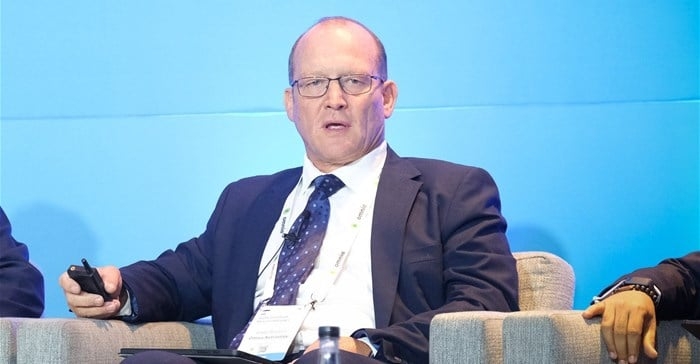
Louis Strydom, sales and marketing director of Omnia Holdings, shares how this inefficiency directly impacts a farm’s bottom line and contributes to environmental pollution.
Strydom discusses how Omnia’s innovative Nutriology model tailors fertiliser strategies to soil, crop, and climate conditions, and how it is helping African farmers boost productivity. He also explores barriers like education and analytical capacity and highlights future breakthroughs, including biological solutions, to support sustainable, high-yield farming across the continent.
Founded in 1953, Omnia has grown from an agricultural business to a diversified chemical company, operating in 27 countries, distributing to 40, and employing around 4 500 people.
Duncan Masiwa: Nutrient use efficiency – what’s the big deal, and why should farmers care?
Louis Strydom: When we apply fertiliser, the plant uses it to create a crop, which is then harvested and sold. However, the world has become a highly competitive place, and fertiliser is an expensive input, often seen as a grudge purchase. The reality is that only 60 to 70% of all applied fertiliser is actually absorbed by the crop.
This results in a nutrient use efficiency (NUE) of around 60%. When efficiency is this low, farmers are spending money without getting the full return on their investment. By increasing NUE, we can apply 20 to 30% less fertiliser while harvesting the same crop yield. The challenge now is to apply nutrients in a way that they are fully utilised by the plants rather than being leached into groundwater, which causes pollution and is unsustainable.
How is Omnia shaking up the fertiliser game to boost NUE for African farmers?
There are many ways to participate in the fertiliser market. The simplest approach is to import raw materials and sell them directly to farmers, who then decide how much, when, and what to apply.
We take a different approach. We analyse the soil and plants, understand cultivation practices, assess the crop being planted, and evaluate yield potential and the nutrient status of the soil. Based on this data, we recommend the right product, quantity, timing, and method of application. This comprehensive approach significantly impacts the efficiency of fertiliser use and the ultimate crop yield.
Our Nutriology model consists of 12 pillars, providing a flexible system tailored to each farmer’s specific situation. Depending on the crop, customer needs, and cultivation practices, farmers can apply one, two, three, or all 12 pillars to optimise their results.
Related stories
- Omnia’s R45m share scheme rewards over 2 500 employees
- Partnerships key to cutting rising farming input costs, says Omnia
What’s stopping farmers from embracing NUE, and how can we fix it?
Education is a major barrier. A plant only needs 16 or 17 nutrients to grow, but the ratios, timing, and methods of application are critical. Achieving higher yields requires meticulous attention to fertilisation, cultivation practices, and overall farm management.
Another challenge is analytical capacity – understanding the plant’s actual needs. While we have effective analysis methods, rural farmers, particularly in northern African regions, often lack access to these facilities and the technical expertise needed for accurate recommendations. Furthermore, the availability of the right fertiliser mix in the right quantities and at the right place remains a logistical challenge.
How do climate, soil health, and crop variety shape NUE’s success on African farms?
Climate change poses a significant challenge. Technical expertise is crucial in helping farmers make the right decisions, especially for rural farmers in northern African countries. For many, just obtaining fertiliser – let alone the correct type, ratio, and quantity – is a struggle.
Addressing the fundamentals, like soil health, is the first step before moving on to more advanced strategies. It’s essential to tailor approaches to the specific growth circumstances of each region.
What fertiliser trends and breakthroughs will fuel Africa’s farming future?
The future of fertiliser innovation depends largely on the maturity level of the growers. In northern Africa, fundamental issues like soil pH must be addressed first. In South Africa, where yields are already high, biological solutions are gaining traction.
Biologicals – such as bacteria that enhance fertiliser availability and assist crops in fixing nitrogen from the air – are a fast-growing sector in plant growth innovation. That’s why we’re no longer just Omnia Fertiliser; we’re Omnia Agriculture.
We take a holistic approach, supplying not only nutrients but also biostimulants, humic and fulvic acids, and beneficial bacteria to help farmers achieve higher, more sustainable yields and better returns on investment.
READ NEXT: Godongwana increases VAT as state’s pockets run dry
Sign up for Mzansi Today: Your daily take on the news and happenings from the agriculture value chain.