South Africa’s farmers face a big challenge: a 30% tariff from the United States that threatens to cut deep into their profits. But according to Anzill Adams, a PhD researcher and expert in digital agri-ecosystem design and commercialisation, this economic pressure could be the push the country needs to transform its agricultural sector through technology — and come out stronger on the other side.
“The digitalisation of South African agricultural supply chains represents far more than a technological upgrade; it constitutes a fundamental transformation of our country’s economic competitiveness and strategic autonomy,” Adams says.
“By achieving 47% cost reductions through disintermediation and precision agriculture, South Africa can not only counter US tariff penalties but establish itself as a dominant force in alternative markets.”
Put simply: digital tools can slash costs and open new doors for South African farmers, helping them dodge the economic blow of tariffs while boosting their competitive edge globally.

Time for bold change
This isn’t just about survival. Adams sees digital transformation as a chance for South African agriculture to lead Africa’s tech revolution. “The choice is clear: embrace digital transformation to achieve cost competitiveness and market diversification, or remain vulnerable to external economic coercion,” he explains.
He warns the time for small changes is over.
Related stories
- D-day for USA: African agribusinesses keep close eye on election
- Trade turbulence rocks SA’s boat: Over R10 billion at risk
“The 30% US tariff represents an existential threat that demands transformative action. Digital agriculture offers the tools for not merely surviving this economic warfare, but emerging stronger, more competitive, and more independent than ever before.”
Adams is currently researching how Fourth Industrial Revolution (4IR) technologies can be applied in a way that centres on human needs and market realities.
“My work on the development of the CTIF framework is part of an extensive collaboration process with one of the world’s best agri-blockchain solutions,” he says.
“The tech solution is in place and ready for rollout in the wine, fruit, meat, coffee, tea, herbs, Halal, cash crops, and grapes sectors.”
In practice, this means digitalising the entire agricultural supply chain – from farm to fork – with smart tech that tracks produce, reduces waste, improves traceability, and cuts out costly middlemen. Precision farming techniques like satellite mapping and sensor data can boost yields while cutting input costs.
For especially younger farmers and agri-entrepreneurs, this represents a huge opportunity to innovate and tap into new markets. “South Africa’s agricultural sector has the opportunity to lead Africa’s digital revolution while defending the nation’s economic sovereignty,” Adams emphasises.
The big question now is whether South Africa’s farmers and policymakers will move fast enough to embrace digital transformation, and secure a future where tariffs no longer dictate their fate.
As Adams puts it, “The question is not whether South Africa can afford to digitalise its agriculture; it is whether the country can afford not to seize this opportunity for economic transformation and strategic independence.”
Citrus and wine exports at risk
Meanwhile, South Africa faces a looming crisis as US tariffs set to take effect on 1 August threaten to put around 100 000 jobs at risk, according to a Reuters report.
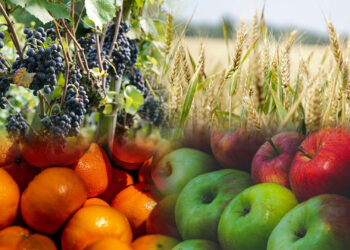
The agriculture and automotive sectors will be hardest hit, warned South African Reserve Bank governor Lesetja Kganyago. The 30% tariffs will heavily impact key agricultural exports such as citrus fruit, table grapes, and wine – industries that employ large numbers of low-skilled workers.
Kganyago highlighted the devastating potential consequences for farming communities, especially in regions like Citrusdal in the Western Cape, where citrus exports to the US are a major economic lifeline.
Farmer groups have echoed these concerns, warning that tariffs also threaten producers of macadamia nuts, fruit juices, ostrich leather, and other high-value products.
With South Africa already grappling with an unemployment rate near 33%, the loss of tens of thousands of agricultural jobs would deepen social and economic challenges. The tariffs come amid a sharp decline in South African car exports to the U.S., which have fallen by over 80% since the introduction of import tariffs on vehicles.
READ NEXT: Blow to SA agricultural exports as US imposes 30% tariff