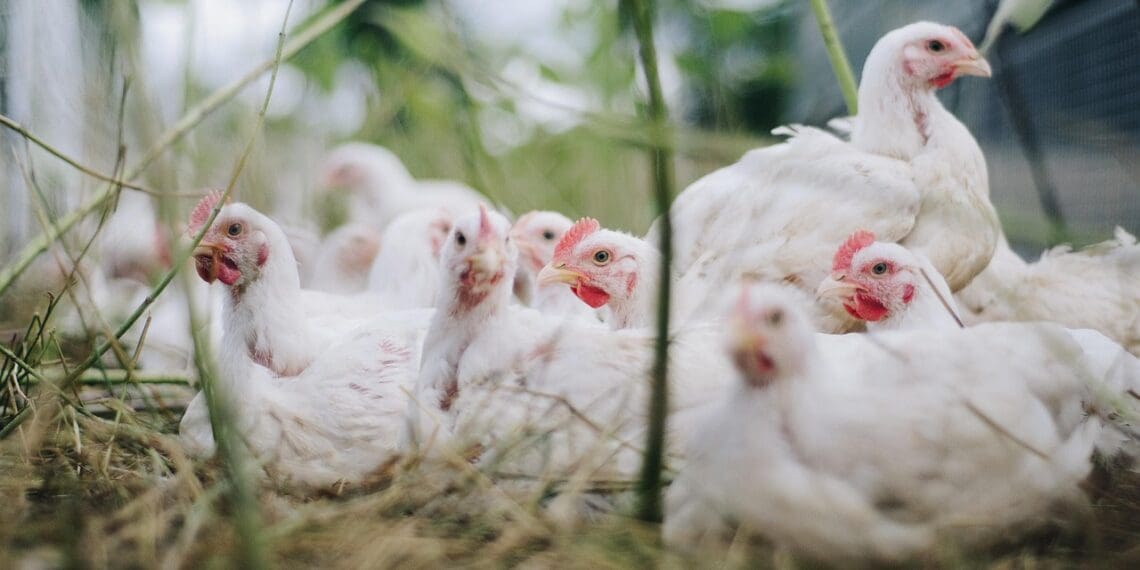
With the outbreak of avian influenza (bird flu) in South Africa, protecting your birds from the deadly disease has never been more important.
Avian influenza (AI) is highly contagious and can have devastating consequences on bird populations and the poultry industry.
According to Dr Mokgadi Seemola, poultry key account manager at Zoetis, there are some measures farmers can take to better protect their birds from avian influenza.
Understand the symptoms
Farmers quickly identify an outbreak through signs of infection, Seemola says. Symptoms for bird flu vary greatly depending on several things.

Firstly, the strain of the infection and the type of bird that’s affected. “There are two main strains of avian influenza, low pathogenic avian influenza and highly pathogenic avian influenza.
“Low pathogenic avian influenza kind of speaks for itself. The birds have symptoms that could vary from no symptoms at all to severe symptoms depending on the other viruses or other conditions that the birds are challenged with,” she explains.
Other symptoms include respiratory symptoms like sneezing, coughing, and nasal discharge.
Symptoms can also be seen in egg-producing birds. Seemola says if you see a sudden drop in egg production or a slight drop in feed intake, that could be a sign of infection.
When it comes to high pathogenic avian influenza, the most common sign is an increase in mortality. This is challenging because sometimes the birds show no signs of infection at all.
“Symptoms can also include green diarrhoea, depression, subcutaneous haemorrhages, swelling, and discolouration on the feet (purple or red). Other symptoms can be production-related where your chickens don’t eat as much,” explains Seemola.
READ: NEXT: Another province bites the dust as bird flu hits North West
Know your chicken breed
Farmers should know and understand their chicken breeds. Seemola says being aware of your breed’s potential health risks allows you to take preventive measures and respond promptly to any health concerns.
“As a farmer it’s always important that you know what is normal for you and your farm. You know the breed specifications are and what is normal in that breed and what is not.
“You need to have records that tell you what is normal for your farm. The instant you start to see a deviation from what is normal for you, you need to be worried,” cautions Seemola.
She gives an example: If you give your chickens feed every day at 06:00 a.m. and you know by 09:00 p.m. all the feed is finished. But if by 11:00 or 12:00 the chickens still have not finished their feed, that could be an early symptom that the chickens are trying to tell you that something is not okay.
Steps to take once bird flu is suspected
Both low-path and high-pathogenic avian influenza are controlled diseases under the Animal Diseases Act 35 of 1996. What this means is that you are obligated to report suspected, not confirmed cases of controlled diseases to the department of agriculture.
This can be done either through the state veterinarian or by consulting your local veterinarian who will then follow up the necessary channels to make sure that the suspected outbreak is reported to the director of animal health.
“Currently there is no confirmed or effective treatment for AI. What farmers need to do is stop the spread. The first thing you need to do is don’t move your animals
“You’re not allowed to take birds off the farm, and if you do, it has to be under supervision and permit with the department of agriculture. The department will enforce that you slaughter any infected and affected birds,” Seemola explains.
Also, the disposal of the carcasses has to be done under the guidance of the department of agriculture.
Let’s talk biosecurity
The first thing you have to do is create physical barriers. It should not be a case where any human being or any animal can walk amongst your birds and essentially exchange viruses and bacteria.
“Another thing you can do is try to have an all-in, all-out system. Some people will have different ages of chickens in the same house and that tends to mess with your biosecurity.
“Because you are now essentially putting the older birds that have been alive for longer with the new birds that are coming in from a completely different environment that maybe don’t have the same level of exposure in the same environment. This creates an environment where bacteria and viruses thrive,” Seemola says.
Hygiene, clothing and reliability of sources
Furthermore, there must be proper cleaning and disinfection not only of the houses but of all your cleaning materials.
“Make sure that the people who have access to your farm have a change of clothes. Don’t use the same clothes you went hiking with, then you come back with those same cloths. Cloths can be a mechanical carrier of viruses,” warns Seemola.
Another important thing is to make sure that you are getting your feed and water from safe and reliable sources.
“Vet your sources. Are you getting from an approved and registered supplier or the uncle from down the road? Also, the water – is it of quality that you yourself would drink or are you just collecting from the river that could be contaminated?”
Another important point is to not share equipment with other farms.
“Even if it’s your brother, avoid sharing equipment. When the feed truck brings the feed make sure that they don’t enter your facilities.”
Vaccination protocols
Currently, vaccination for high pathogenic avian influenza has not been authorised in the country. Vaccination for low pathogenic avian influenza can only be done under approval from the director of animal health.
This, however, comes with very strict conditions that the farmer would have to adhere to. “But there are some internationally available vaccines that are mass-produced for the vaccination against avian influenza. These vaccines vary with efficacy because we don’t all get the same strain of virus,” says Seemola.
Avian influenza can pose a risk to human health as well. If you suspect your birds are infected, take precautions to minimise human exposure and seek medical advice if anyone develops symptoms after contact with sick birds. Avian influenza is a notifiable disease in many countries, and failing to report it can have serious legal and economic consequences.
ALSO READ: Spick and span: The three pillars to packhouse perfection
Sign up for Farmer’s Inside Track: Join our exclusive platform for new entrants into farming and agri-business, with newsletters and podcasts.